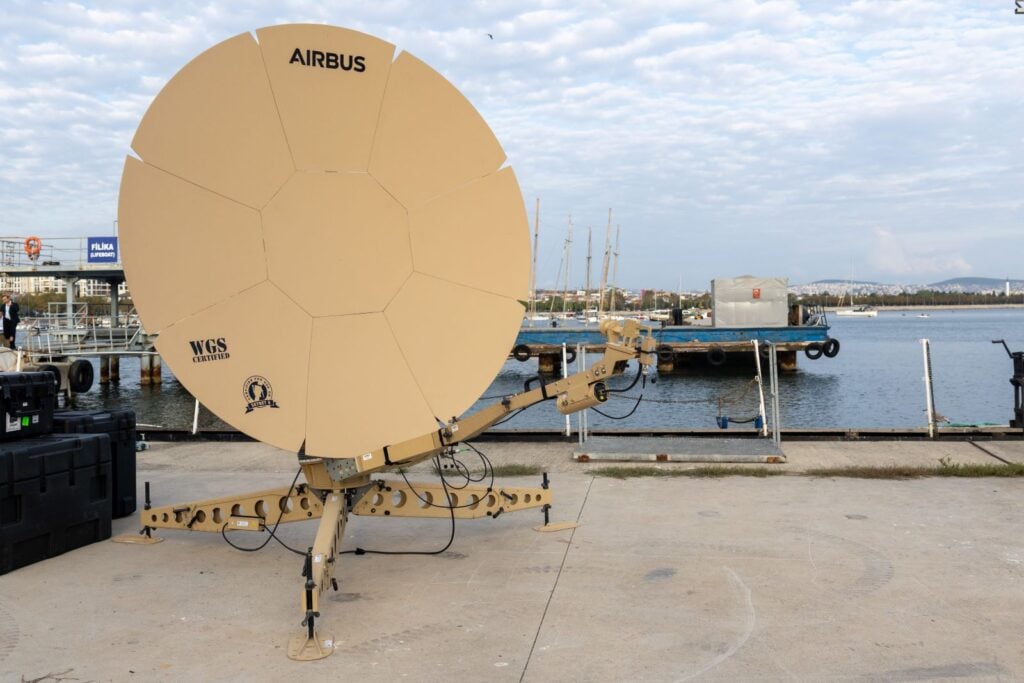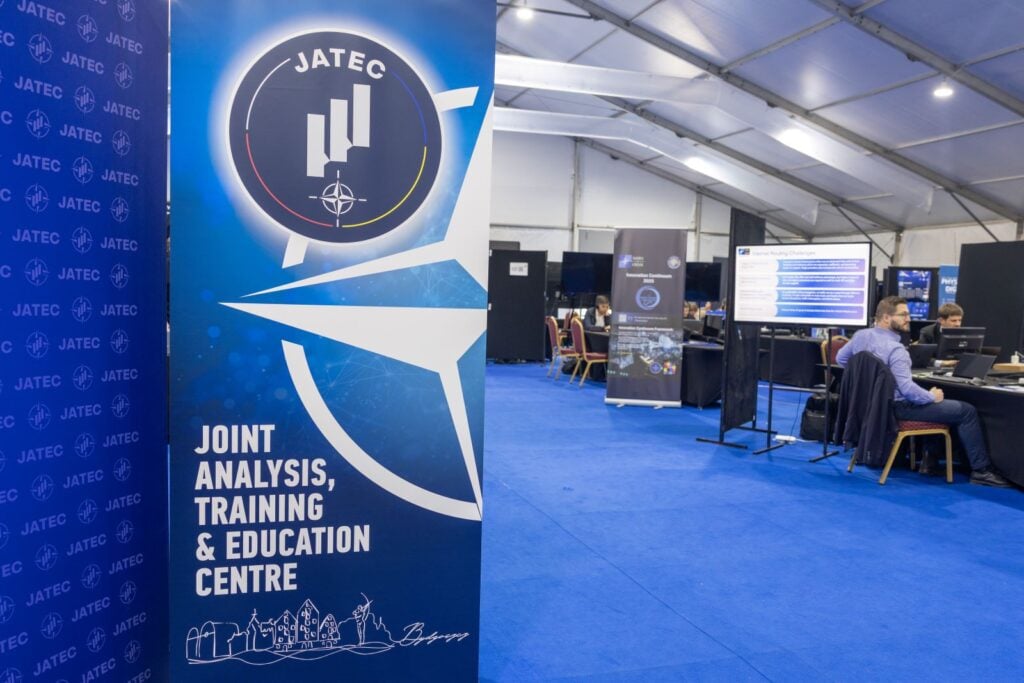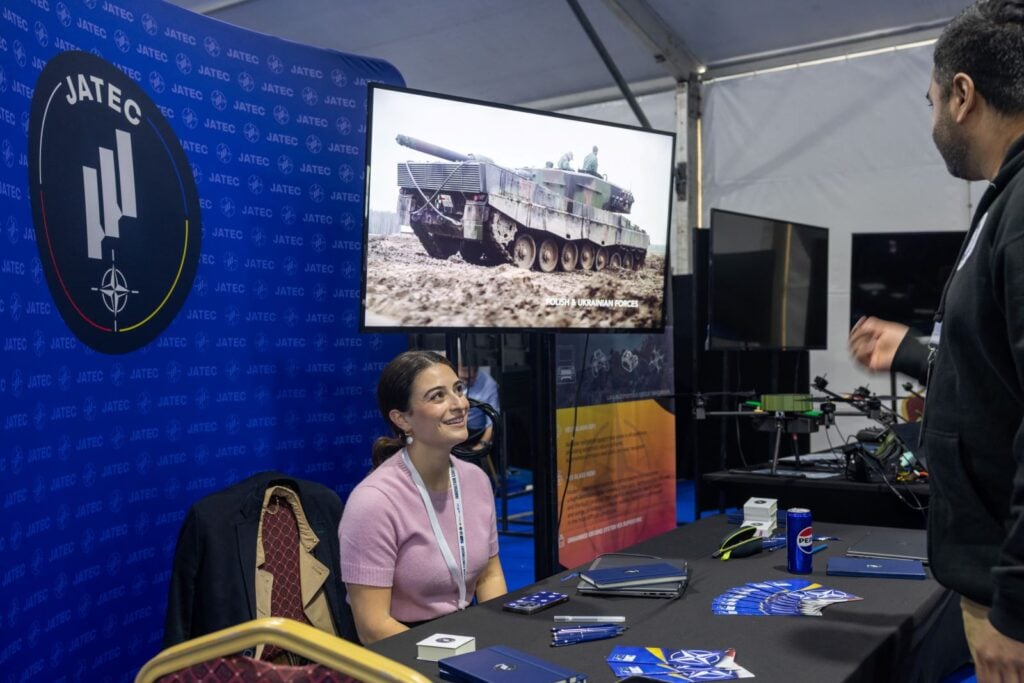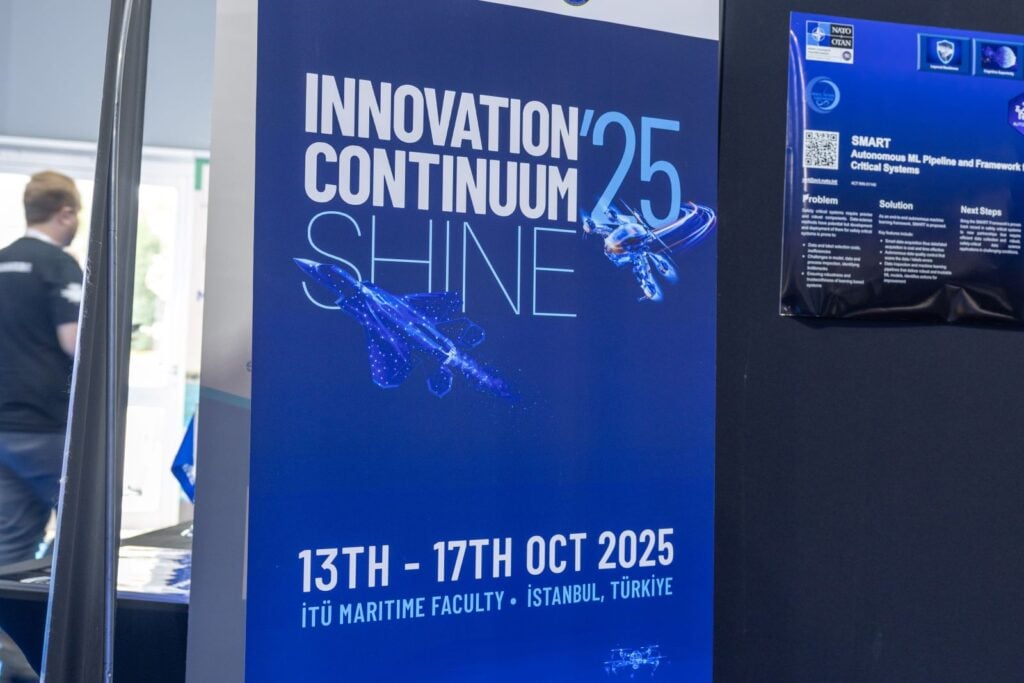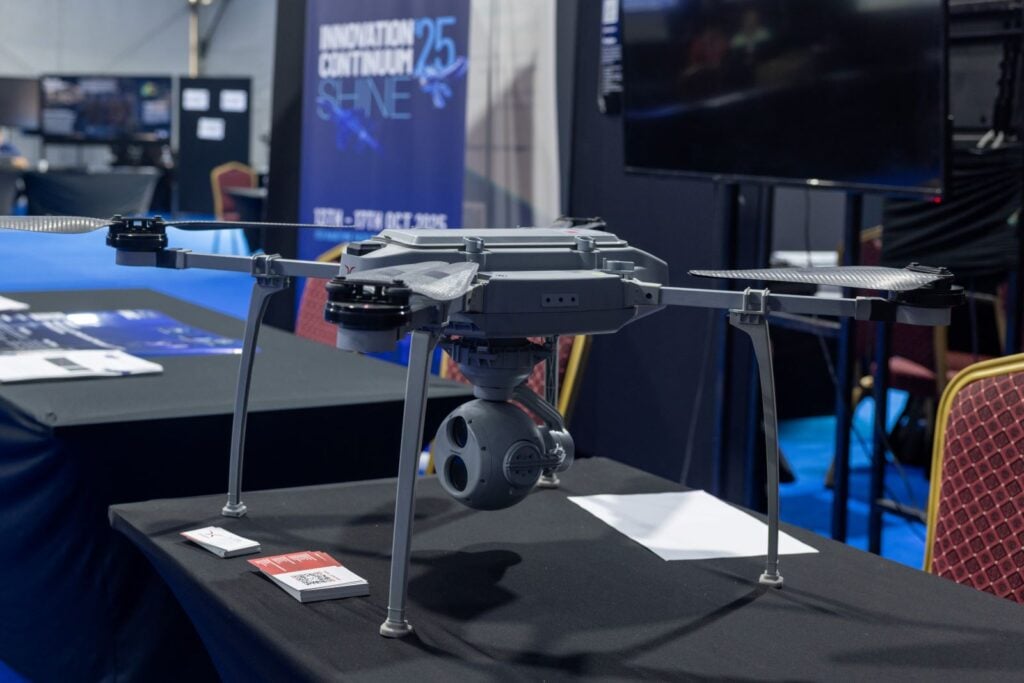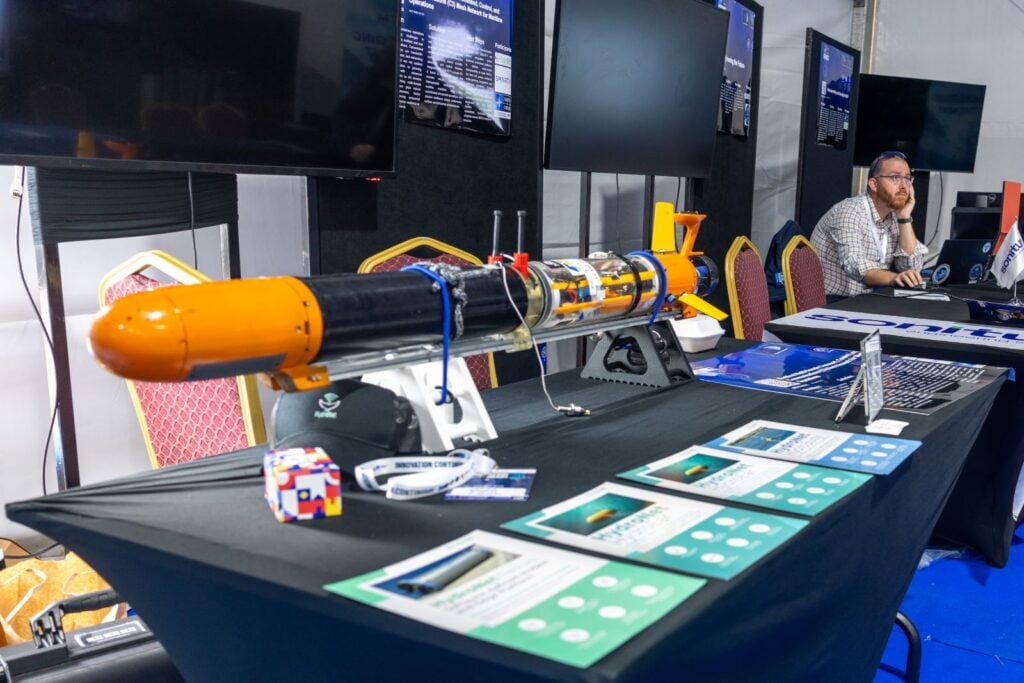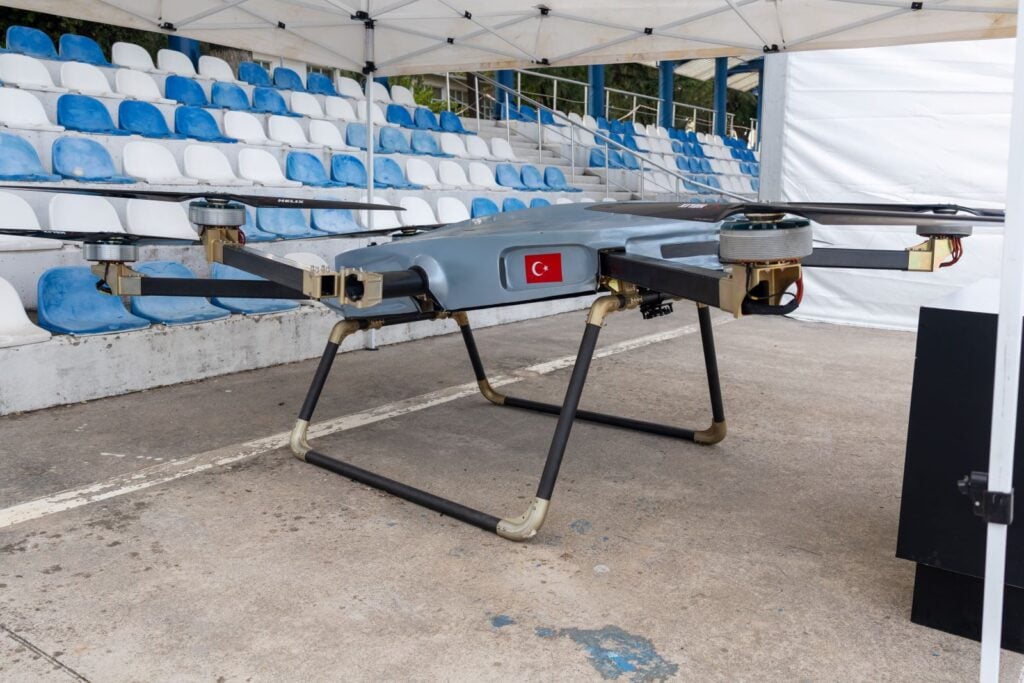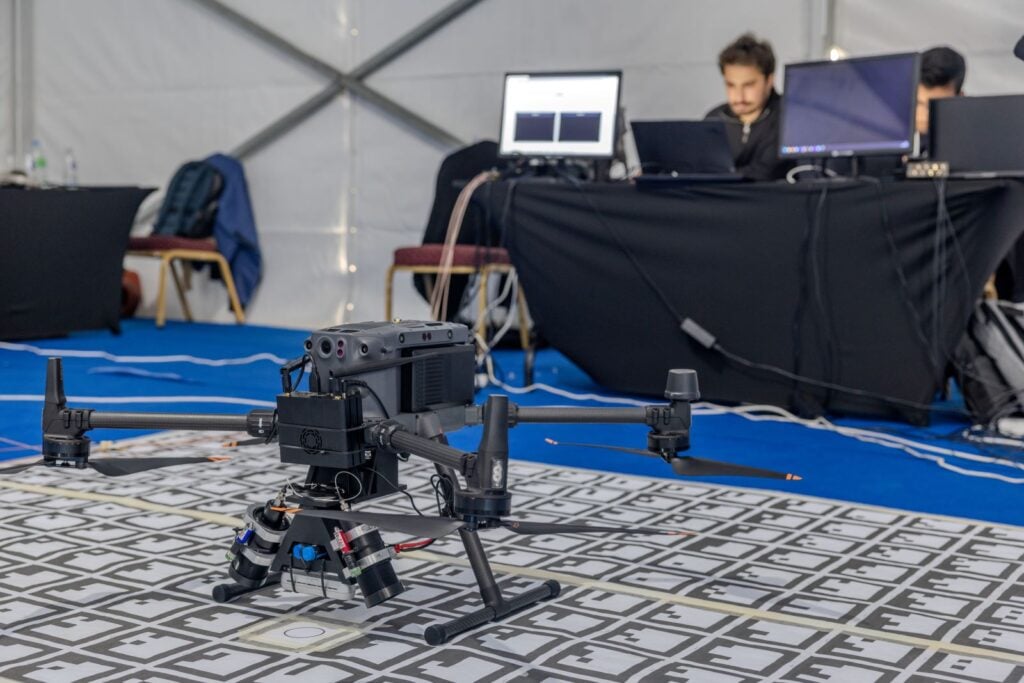

ISTANBUL, Türkiye. Allied Command Transformation concluded the 2025 Innovation Continuum with the Shared Platform for Innovative Solutions’ Evaluation (SHINE) event, hosted by Istanbul Technical University’s Maritime Faculty. As the final stage of this year’s series (following SPARK, IGNITE, and GLOW), SHINE brought together NATO entities, industry, and academia for a live demonstration of technologies and operational experimentation shaping the future of the Alliance.
Over the course of the week, experiments and demonstrations showcased how innovation can move from concept to operational capability, providing tangible advantage in areas vital to NATO’s deterrence and defence posture. From quantum-safe communication to counter-drone technologies and multi-domain uncrewed operations, the innovative projects illustrated how emerging and disruptive technologies are being translated into real-world solutions. This momentum, however, is only meaningful if those solutions are delivered where they matter most, at the point of need.
The Innovation Continuum and SHINE show how NATO accelerates the journey from ideas to impact, fostering collaboration, experimentation, and rapid testing of emerging technologies. The continuum helps translate innovation into practical solutions that strengthen our collective defence. The next important step is ensuring that the concepts and capabilities developed through this process reach those who need them most, the warfighters who rely on innovation to stay ahead on the battlefield.
– Major General Adrian Ciolponea,
Supreme Allied Commander Transformation’s Representative in Europe
Advancing Quantum-Safe Communications
Among the most visually striking demonstrations was NATO’s quantum experiment on secure communication, featuring drones in coordinated flight. The experiment tested quantum safe communication using Post-Quantum Cryptography, to support Identification of Friend or Foe tactical drones on the battlefield. The inclusion of companies supported by the Defence Innovation Accelerator for the North Atlantic (DIANA), such as the Polish Company Resquant, highlighted the synergy across NATO’s broader innovation ecosystem.
By applying quantum-safe technologies to live operational use cases, this experiment underscored how the Alliance is preparing its systems for a post-quantum world. For NATO, quantum resilience is more than a technical upgrade, it ensures the continuity of consultation, command, control, and mission assurance in an era of accelerating technological change.
Countering Drones and Glide Bombs
Another key highlight focused on counter-drone and counter-glide bomb solutions that originated from NATO’s Innovation Challenge. These technologies, now matured through the Innovation Continuum, demonstrated a rapid pathway from concept to field-ready capability.
Participants witnessed layered defences built around AI-enabled prediction software, reusable interceptor drones, and swarming denial systems. Together, these approaches illustrated how cost-effective, scalable systems can help NATO forces adapt to evolving aerial threats. The demonstrations also reflected the Innovation Continuum’s capacity to fast-track critical technologies from industry innovators into the hands of operators on the front lines.
SHINE is accelerating the development and adoption of cost-effective, scalable counter-drone technologies, demonstrating a strong commitment to supporting Ukraine’s defence against Russian drones and aligning with the execution of SACT’s Beacon Project centred on c-UAVs.
Uncrewed Systems for Mine Countermeasures and Critical Infrastructure
A further set of experiments focused on heterogeneous uncrewed systems operating collaboratively across space, cyber, surface, subsurface, and aerial domains. One initiative in particular explored how autonomous systems can safeguard undersea infrastructure, such as energy pipelines and communication cables. Working together, autonomous underwater vehicles, intelligence-surveillance drones, and robotic patrols built a live operational picture capable of detecting and tracking potential threats in real time, even in environments where GPS access was denied. These demonstrations reflected NATO’s focus on MDO centric autonomy, interoperability, and resilience in contested environments.
Another initiative demonstrated how autonomous ships, drones, and underwater vehicles can work together to find and clear drifting sea mines, even without GPS. The demonstration showed how next-generation technology can make mine countermeasures faster and more effective. All the systems shared information through a single operating picture that pulled in data from many sensors and communication links. This kind of coordination will help enhance NATO’s maritime security through speed, precision, and coordinated autonomy.
From Innovation to Integration
By bringing together start-ups, researchers, and operational experts, the Innovation Continuum accelerates the transition from concept to combat readiness. This process exemplifies Allied Command Transformation’s mission to integrate science, technology, and operational expertise in support of NATO’s Warfare Development Agenda.
SHINE 2025 represented a showcase of technology while marking the final collaborative experimentation and demonstration. Each milestone of the Innovation Continuum, from the initial scoping at SPARK, to designing solutions at IGNITE, and validating solutions through testing at GLOW, contributed to aligning NATO’s innovation ecosystem with the operational needs of its forces. Yet, as this collaborative ecosystem matures, its success increasingly depends on the strength of the relationships that underpin it. Governments, industry partners, and research institutions must work in concert to ensure that innovation moves beyond prototypes and into the hands of those who need it most.
Reflecting this perspective, the President of the Defence Industry Agency of Türkiye, Professor Dr. Haluk Görgün, noted that “a strong and dynamic defence industry requires a high degree of coordination between government and industry, especially in a complex and fast-evolving global security environment. The success of this relationship determines not just technological advancement, but also national autonomy, operational readiness, and strategic independence.”
The Defence Industry Agency of Türkiye, is the Turkish government agency responsible for defence procurement, industry regulation, and for promoting the defence sector. It aims to develop a national defence industry and collaborates with international partners while overseeing exports and the modernization of the Turkish Armed Forces.
The 2025 SHINE event reaffirmed that innovation is not an abstract pursuit but a concrete path toward operational technology advantage. By linking experimentation directly to rapid adoption and capability development, Allied Command Transformation ensures that NATO remains adaptive, resilient, and ready to meet the challenges of tomorrow at the speed of relevance.