What is the NATO Committee on Reserves?
“The Reservist is twice the citizen.” Winston Churchill
The NATO Committee on Reserves represent those thousands of women and men who became Reservists and combined their military role with their civilian career or those who might be a part of the Reserve Forces in the future.
Up to the early 1980s, Reserve Forces and related policy matters were considered a national issue only. In 1981 the National Reserve Forces Committee was founded as an interallied and joint committee, which was recognized as a NATO advisory committee in 1996 as stated in the Military Committee documents 441/2 “NATO Framework Policy on Reserves” and 392/1 “Military Committee Directive for the National Reserve Forces Committee (NRFC)”.
In 2024 the Military Committee wrote a holistic policy on Reserves, MC 0441/3, renaming the committee to the NATO Committee on Reserves (NCR), formalizing the role of the NCR as the principle advisory body to the Military Committee on the topic of reserve forces and establishing the NATO Vision for Reserves.
Reserve forces comprise over half of the wartime strength of the armies of NATO Member Nations. In fact, the organisation, composition, mission, training levels of Reserve Forces vary widely across the Alliance. But what the Reserve Forces have in common is that they play an important role in the whole spectrum of national and NATO’s defence structures and in the event of crisis they would be required to take up positions and carry out tasks alongside Regular Forces. Reserves are no longer considered to be the forces of the last resort; rather, they are now recognized as indispensable.
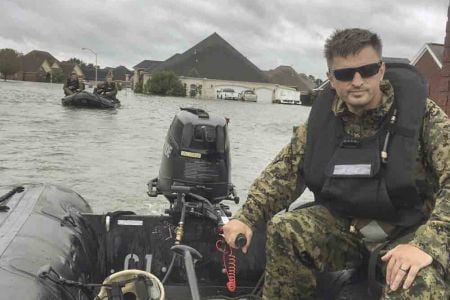
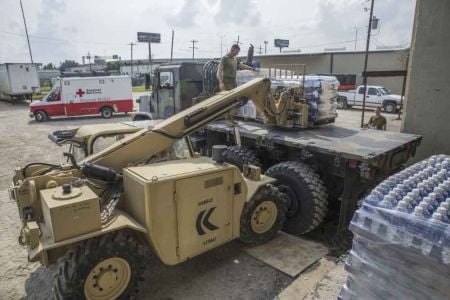
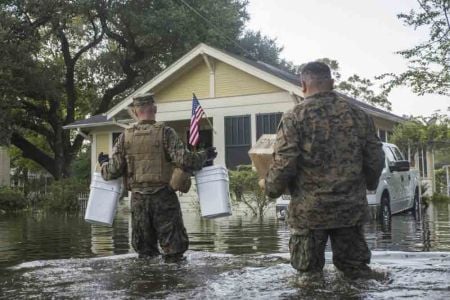
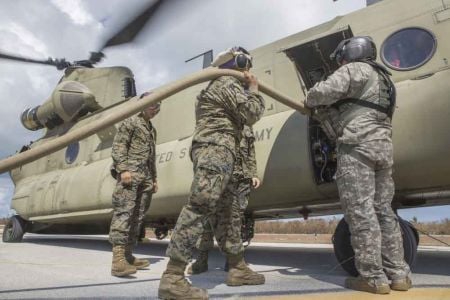
Indeed, many of our armies would not be effective in wartime without the mobilisation of our reserves. In addition, the reserves’ peacetime support to the Regular Forces has taken on increased importance in areas such as peacekeeping missions, counterdrug operations, disaster aid, and exercise support.
It is widely known that integrated, appropriately purposed, motivated and ready Reserve Forces provide an extraordinary strategic expandability for current military capability at a very low cost. Almost as importantly, the Reserve Forces forge a vital civil-military link between standing forces and the civilian community as a whole, specifically in terms of specialized skill sets difficult to cultivate in the military community.
With so much strength the Reserve Forces offer, it is vital that commanders and staffs of NATO, NATO Member Nations, and even Partners, know and understand the reserve systems on which they could depend. The NATO Committee on Reserves is a powerful instrument at the service of NATO Member States and the armed forces and it offers a significant potential in this respect.
The NATO Committee on Reserves consists of trained and motivated specialists, high representatives of national reserve structures, who provide the overwhelming force to prepare and submit informed and agreed advice on a vast range of Reserve issues around which consensus views are built. Moreover, the Committee’s Members benefit from information sharing, experience, effective models and solutions of other Nations and observe ways in which joint activities build on international best practices. The NATO Committee on Reserves offers an indispensable forum in which national Reserve Forces leadership can exchange best practices and study important aspects of reserve management and employment. It provides assistance with pulling together information on varying national approaches. Moreover, the Committee intends to inspire and involve people; citizens to become Reservists and understand the role of Reserves, Nations to create and have their Reserve Forces, Reservists to be active and serve the Nations.
The Military Committee defined three main objectives to be reached by the NATO Committee on Reserves:
- To provide policy advice on Reserve issues to the Military Committee.
- To strengthen the readiness and effectiveness of Alliance reserves by providing a forum for the exchange of information and sharing of best practices.
- To maintain awareness of relevant issues and to identify common activities that may be of interest to Alliance and Partner Reserves through liaison with organizations and associations that have an interest in reserve affairs.
The NATO Committee on Reserves adjusts its priorities over time, following the same path as NATO. Recent events have mainly sharpened the Committee’s awareness of deploying Reservists on operations, employer support and employer engagement, future reserve cyber personnel, reserve support to exercises and training and use of reserves across the spectrum of military tasks.
The NATO Committee on Reserves collaborates with the Interallied Confederation of Reserve Officers the Interallied Confederation of Medical Reserve Officers and the Interallied Confederation of Reserve Non-Commissioned Officers, collectively referred to as the Advocacy Reserve Organisations.
In accordance with Military Committee 0441/3 directive NATO Policy on Reserves the NCR should collaborate with the AROs when appropriate because the MC recognizes the value of the ARO in sustaining a high level of Reservist commitment to the Alliance, and is committed to support ARO activities where possible.
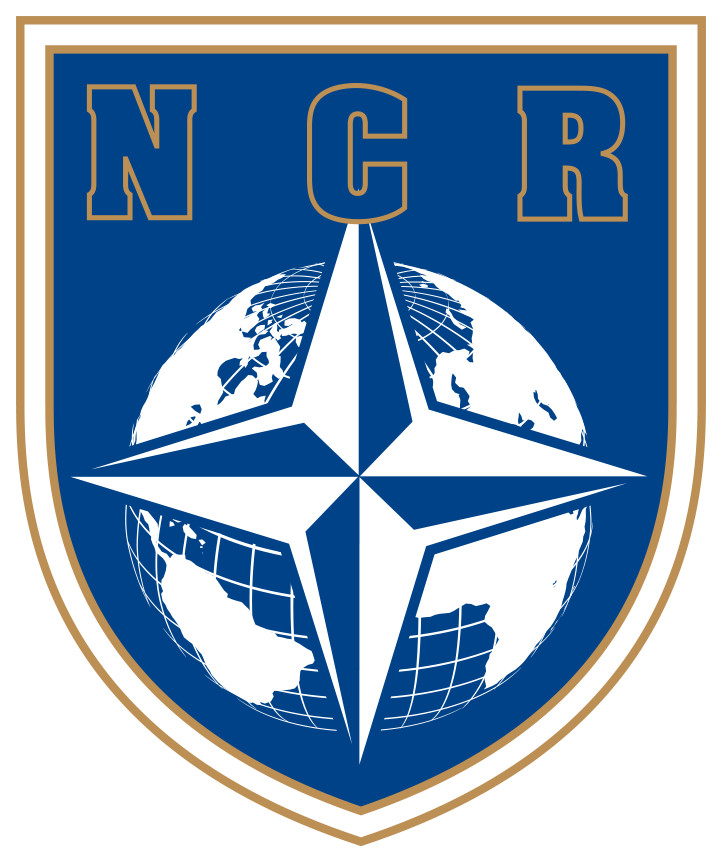 One of the Member Nations holds the Chair of NATO Committee on Reserves for a period of two years. Italy assumed chairmanship on the 25th of June 2026 at the end of the Summer Plenary meeting in Naples and succeeded The Kingdom of the Netherlands.
Major General Fulvio Poli os currently heading the NCR as Chair. MG POLI has given a statement in which he highlights the focus points for the NCR for the next two years:
The NATO Committee on Reserves is the official reference body on Reserve Forces for the Military Committee, committed to strengthening the capability and sustainability of NATO members and observers. Our true value added sits in the diverse strategic approaches of each Nation; by fostering mutual knowledge and sharing unique perspectives, we transform national differences into a collective advantage, while respecting national primacy.
To translate our vision into operational impact and fully leverage the diverse strengths of national reserves, NCR will focus on six priority pillars over the next two years:
-
- Strengthening Institutional Relations with the International Military Staff (IMS)
- Increased Engagement: Boost the frequency of bilateral meetings, and strategic briefings with the IMS.
- Continuous Alignment: Ensure NCR’s insights and recommendations on Reserve Forces adapt in real-time to the Military Committee’s priorities.
- Network Expansion and Active Engagement
- Reactivating Members: Implement targeted outreach to re-engage NATO Nations that are currently inactive or less active within NCR.
- Broadening Participation: Proactively expand network involvement to encompass friendly Nations and strategic partner Countries.
- Leveraging Diversity: Integrate the organizational models of new participants to enrich our collective expertise and mutual knowledge.
- Technological Innovation in Information Sharing
- Innovative Platforms: Find a secure, cutting-edge technological solutions to facilitate seamless sharing of data, lessons, and best practice among members.
- Breaking Barriers: Streamline communication flows to make mutual knowledge and updates immediately accessible to all Partners.
- Enhancing the Effectiveness of Reserve Forces Training
- Beyond Oberammergau: Expand educational pathways on reserve matters, moving beyond exclusive reliance on the NATO School Oberammergau.
- Distributed Learning: Develop mobile training teams, advanced e-learning modules, exchange of training among countries and decentralized training programs across national centres.
- Efficient Operational Synergy with AROs
- Streamlined Modalities: Define clear protocols and efficient workflows to optimize collaboration with Advocacy Reserve Organizations (AROs).
- Resource Optimization: Establish practical solutions to eliminate duplication of effort, maximizing the combined impact of joint initiatives.
- Enhancing NCR Awareness and Outreach via Communication Campaign
- Strategic Communication: Launch a targeted communication campaign to boost awareness, visibility, and understanding of NCR’s role and value added.
- Broadened Outreach: Deliver clear messaging across internal NATO channels and external military stakeholders to showcase the benefits of our shared national diversity.
- Strengthening Institutional Relations with the International Military Staff (IMS)
| Year | Meeting/Event | Date | Location |
| 2026 | Staff Officer Meeting 1 | 23-26 March | Berlin, DEU |
| 2026 | Summer Plenary Meeting | 22-25 June | Naples, ITA |
| 2026 | Staff Officer Meeting 2 | 19-22 October | Vilnius, LTU |
| 2027 | Winter Plenary Meeting | TBD | Brussels, BEL |
| 2027 | Staff Officer Meeting 1 | TBD | Budapest, HUN |
The NATO Committee on Reserves is composed of the national officials responsible for the Reserve Forces of the Nations signatory to the North Atlantic Treaty. It comprises the Chairman and a Secretariat, National delegations of NATO members and invited Observers and Liaison Officers of NATO Headquarters/International Military Staff, Allied Command Operations and Allied Command Transformation.
Member countries:
NATO Member States
Countries with Observer status:
Australia
Austria
Georgia
New Zealand
The Republic of Korea
The NATO Committee on Reserves continually strives to expand its membership. Best practices and lessons learned are only valuable when visible to all allies and Partners. Therefore, the Committee encourages non-member allies and Partners to participate in its deliberations.
The Reserve component of a nation’s defence force essentially comprises military personnel who are not obliged to render continuous full-time service, except in the event of compulsory mobilisation, which is usually reserved for defence crises.
Note: These arrangements vary significantly between the nations. In some nations, mobilisation is limited to national defence. In others, it is available for response to domestic natural disasters. In others, it is available for expeditionary operations.
Reservists typically (though not universally) have an annual training obligation, and short of compulsory mobilisation, may render full-time service on a voluntary basis, either domestically or abroad. Reservists may be ex-Regulars or ab initio Reserve entrants.
Note: Some nations compulsorily mobilise Reservists for expeditionary operations while others call for them on a voluntary basis.
Because Reservists have competing obligations and demands – most notably their civilian employment, as well as their families (that limit their availability for training as well as for deployment on operations), they have less time to train and to acquire and practice their military skills, than their Regular counterparts, and they are therefore usually at a lower degree of readiness, or have fewer competencies and lesser degrees of proficiency, than those who practice their military skills every day. This means that they usually require a longer period of notice to be made ready for high-end operations.
Note: Some countries have started to recognize the competing demands of civilian career, family and reserve duties, and have developed programs whereby the Reservist can transition to different categories of reserve status while maintaining military proficiency.
However, they bring the considerable advantage of the additional capability provided by their civilian skills and life experience. Furthermore, they serve as a cultural bridge between the military and the community. Until placed on continuous full-time service, they are relatively economical.
Note: Though there are many variables, a reasonably consistent pattern is emerging from studies in Australia, the United Kingdom and the United States, that the holding cost of a Reservist (not deployed) is about 20-25% of a Regular, and assuming that one in three Reservists deploys on operations once over a five year period, the total cost of the average Reservist is still significantly less than that of generating the same capability from a Regular.
This means that, properly employed, they are a cost-effective source of capability.
The generic roles of the Reserve component can be characterised as follows:
- Providing niche (specialist) capabilities that do not reside, at all or in sufficient strength, in the Regular Forces. These are typically medical and other specialists. They may be required for a first rotation, and some need to be at high readiness;
- Providing complementary capability. This is a capability in some missions – typically at the lower end of the operational spectrum – for which the full suite of military competencies is not required. This frees more highly trained and higher readiness Regular Forces for more demanding operational requirements, and extracts operational capability from Reservists notwithstanding their less intense training regime; In some cases Reservists can perform tasks that are directly related to the experiences and competencies of their civilian jobs (e.g. territorial network, disaster relief);
- Providing supplementary capability. This is a capability in operations undertaken by the Regular Forces, in order to round out, rotate or reinforce the regular component. At home, they can also replace regulars who are deployed. Reserve Forces will usually require longer lead- times for these operations than Regular equivalents, and hence this role is best suited to predicted operations;
- Providing surge capability. This is an expansion base for mobilisation in the event of large- scale defence emergency, and for many years was the traditional Reserve role.
In addition, because Reservists are often geographically dispersed around nations, they serve as the face of the national defence force in regions where there is no regular force presence. Because they live and work in the community, they serve as a cultural bridge, or mediator, between the military and the community.

Life between the duty and the civic work.
Being reservist is much more than only a part time job. Meet our heroes and their everyday experiences:
Reservist as Public Affairs Officer
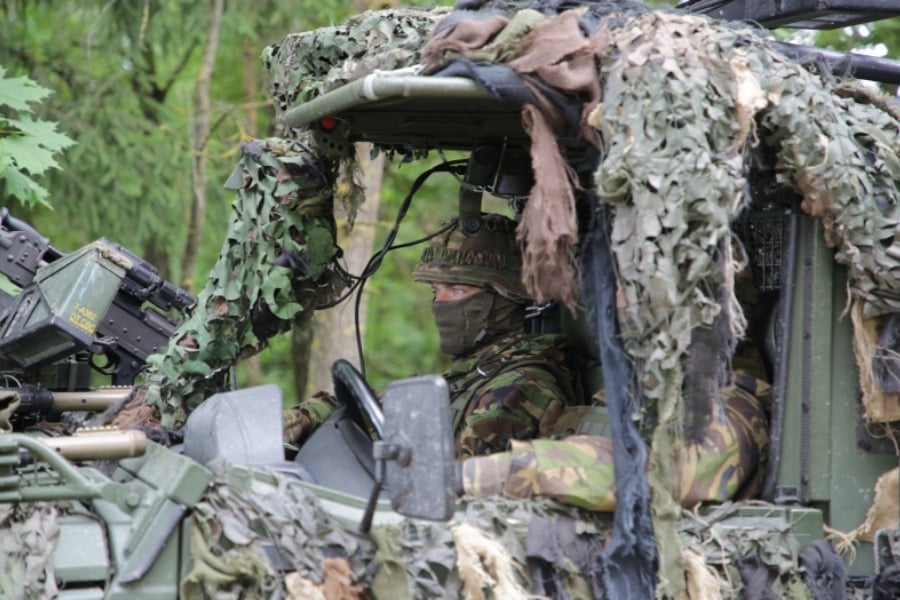 The Dutch military contribution to Enhanced Forward Presence (eFP) in Lithuania is [for the Netherlands] not considered a mission, but a posting. This nuance is of importance, because this concerns an operation inside NATO’s AOR. That being said, the daily course of events is largely identical to that in missions. It is common practice to assign a Public Affairs Officer (PAO) to units for the coordination of internal and external communications. Platoon commander Merien van der Velden of the 20th Battalion of the National Reserve Corps of the Netherlands, served three months in Lithuania as PAO in the rank of 1st lieutenant. Merien was the only Reservist in a contingent of 250 Dutch military.
During the posting of lieutenant van der Velden, the battlegroup in Lithuania consisted of Germany (the Framework nation), the Netherlands, Belgium, Norway and Luxembourg. The Dutch unit is the 42nd Armored Infantry Battalion, Limburgse Jagers, of the 13th Light Brigade. This infantry unit mostly uses the Boxer infantry fighting vehicle.
Deployment 1st Lieutenant Merien van der Velden serves in the National Reserves Corps since 2004. He started his military career as a private and worked his way up to platoon commander. He currently serves with the Foxtrot Company of the 20th Battalion in Schaarsbergen. He has been looking for opportunities to go on mission and/or to serve for a more extended period for quite some time. As owner-director of a private internet company, Merien is in charge of his own agenda. Previous attempts were unsuccessful, but in 2017 things changed. Merien: “the 13th brigade was looking for a PAO. This was a full time position, but due to personnel shortages it proved difficult to fill. It was then decided to look for a qualified Reservist. It all went very fast. There were but six weeks between the moment I responded to the inquiry and my arrival in Lithuania. Prepared and well.’
After a short Hand-over-take-over (HOTO) from his predecessor it quickly became apparent that the position of PAO was of great importance. The presence of NATO allies in Lithuania is to reassure the local population and to deter possible Russian aggression. That is why, in addition to physical presence, communication is extremely important. The eFP has a ‘high media profile’. This zone of operations receives a lot of international attention, because it relates to the tense geo-politic relationship between the NATO Alliance and the Russian Federation.
Multi-national operations
Merien had three main tasks as PAO:
- External communication: mostly escorting journalists and producing reports and photos about the eFP;
- Internal communication;
- Community engagement: organize contacts and activities for the local population to maximize popular support.
There are numerous international groups and structures related to these tasks. Some of these structures are, of course, military, but others involve Lithuanian organizations and there was frequent contact with the Dutch embassy in Vilnius.
Merien ‘You see how complex a multi-national military operation can be. There are cultural differences and sometimes conflicting views or dissenting opinions. It is important to continuously coordinate with each other. Sometimes this required language capacity. Information about the exercises of the Dutch Company was translated from Dutch to other languages to inform other NATO countries as well as the local population. When you work in such an environment, you learn to interact with different nationalities. And you learn more about NATO: how the Alliance is structured and how it operates. It was fascinating to witness.’
Like the movies
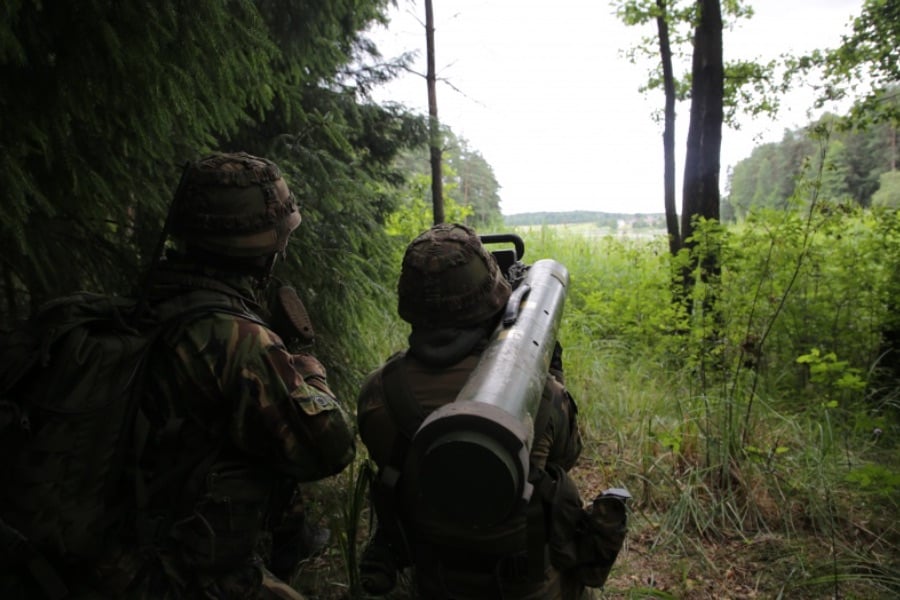
The main activity of the battlegroup in Lithuania is exercise. Thanks to the possibilities offered by Lithuania this includes training modules that are never exercised in the Netherlands, such as the use of anti-tank weapons on the firing range or the demolition of a concrete exercise bridge by the armoured engineers. Merien attended all these training activities and tried to involve media as much as possible.
One of the highlights during the time Merien served in Lithuania, was the visit of Dutch prime-minister Mark Rutte. This involved a heavy delegation, because the program included a meeting with the president of Lithuania. Merien was present when the officials were picked up near the aircraft and transported in motor vehicles. The high speed motorcade drove in two lanes over the highway. Merien: ‘This was like something you see in the movies. Everything and everyone had to move to make way for the motorcade. For the prime-minister, this was nothing new, but for me personally it was a tremendous experience.’
Appreciation from the Head of the Army of Lithuania Several Dutch TV crews and journalists arrived with the Dutch prime-minister. Merien was one of the individuals, who thought about the best way to cover the visit, like for example the breakfast the prime-minister shared with the Dutch military and two press moments during the visits. Merien is especially proud of the development of the narrowcast system that is on a perpetual loop in the dining area. Merien advocated this system and -when he received permission- oversaw the installation of the monitors. From that moment onwards, all unclassified information- relevant to the battlegroup is presented in the dining facility, such as for example information about ongoing sports events and local activities. The three months of the posting flew by for Merien.
Merien has a very strong opinion about the operational deployment of Reservists. ‘In my years with the Dutch National Reserve Corps, there were only a limited number of deployments. It is a good thing that at present we see an increase. A healthy balance between exercise, training and deployment keeps everybody on their toes and it makes the Reservist relevant. Deployment can be in the Netherlands or abroad. As a Reservist, you can learn a lot from a real deployment –and that does not have to be complicated. It makes us better military men and women and that is something that also benefits the regular troops. The Reservist can provide a good contribution based on his/her personal perspective. This is experience I gained in Lithuania.‘
The interaction and cooperation with the colleagues of the 13th Light Brigade was excellent. The Head of the Army of Lithuania awarded Merien with a gratification for his efforts as PAO. There were only four Dutch military, who received these tokens of appreciation. Merien considers this as a boost for the operational deployment of Reservists. ‘I hope that the new Army will make even broader use of its Reservists in operational roles. This could be a win-win for everybody. I think it would be a good idea to do a pilot with a detachment of the National Reserve Corps to guard and protect military structures in foreign mission areas.
Do you want to become a Reservist?
Please, contact a recruitment centre, regional military headquarters or a local army career centre in your country. They will provide you with all information including recruiting process. Explore the roles of reserves and find out where you could fit with your knowledge, experience, beliefs and enthusiasm, where you belong, what it’s like to serve and what is available to reservists, such as sports and adventure training, travel opportunities and much more.
The Alliance offers extensive training and personal growth to soldiers and members of Reserve Forces. This is also beneficial for civilian employers because their employee is constantly gaining new experience and irreplaceable skills which could be used in his/her civilian career.
The NATO Committee on Reserves continues to oversee, through the NATO School Oberammergau, two courses tailored for Reserve Officers.
Knowledge Enables Capability
The NATO School in Oberammergau conducts education and individual training in support of current and developing NATO operations, strategy, policy, doctrine and procedures (see: www.natoschool.nato.int). The classrooms are reflecting the diversity and reality of coalition operations, learning together, in support of NATO’s comprehensive approach.
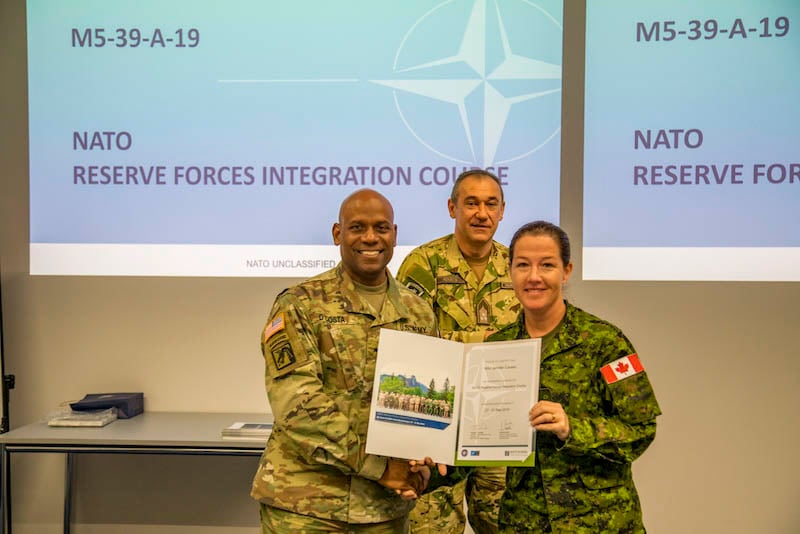
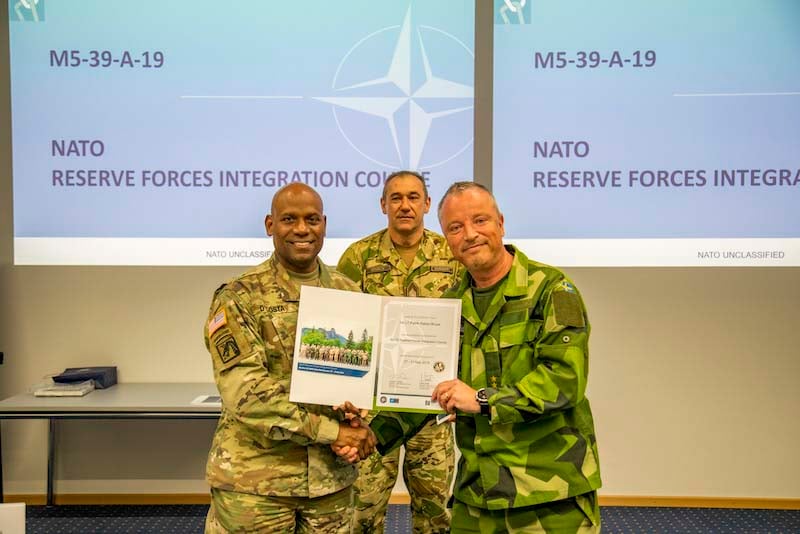
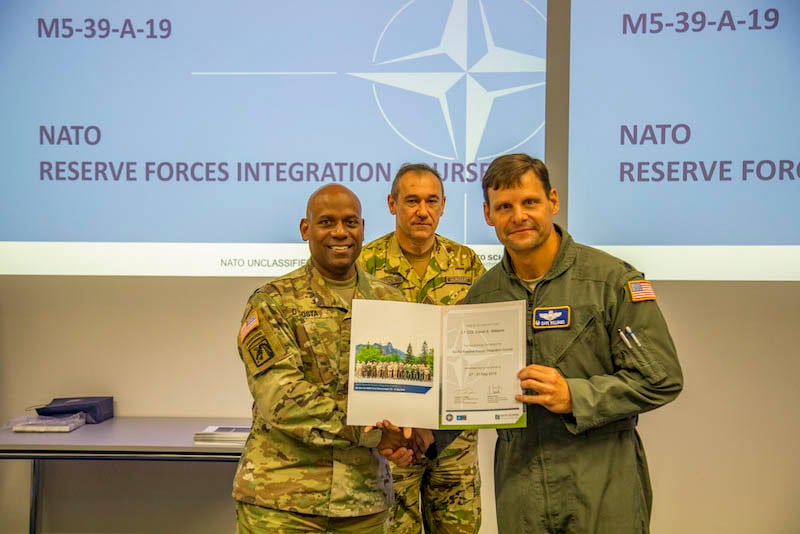
There is a strong partnership between the NATO School Oberammergau and the NATO Committee on Reserves. The Committee continues to oversee, through the NATO School Oberammergau, two reserve courses (Reserve Forces Integration Course – RFIC and Senior Reserve Officers Course – SROC) tailored for reserve officers but open to Regular Forces and civilian equivalents. The Reserve Force Integration Course (M5-39) provides a forum for exchange of Reserve best practices with regard to the various national Reserve structures and policies within the Alliance. The aim of RFIC is to provide students with an introduction to various roles, missions, and doctrines of reserve forces throughout the Alliance. The Senior Reserve Officers Course (M5-76) is aimed to provide students with an advanced understanding of the contemporary strategic environment the Alliance operates in, including the various roles, missions, and doctrines of Reserve Forces throughout the Alliance. This course is designated for Reserve and Active/Regular military officers and civilian equivalents responsible for implementing or developing reserve policy, strategy and doctrine or who are assigned to a NATO command.
Contact: https://www.natoschool.nato.int/
NATO School Oberammergau is located at the heart of Bavarian Alps in Germany. It is NATO’s premier individual training and education facility at the operational level. With courses, seminars and workshops, the NSO meets the current and emerging training needs of the Alliance and partner nations.

NCR NEWS
NATO Committee on Reserves Visits JFC Naples During Summer Plenary Meeting
LAGO PATRIA, Italy — The NATO Committee on Reserves visited Joint Force Command Naples on June 23, 2026, for a day of structured engagement with JFC staff.
Founded in 1981 and formally recognized as a NATO Committee in 1996, the NCR advises the NATO Military Committee on reserve policy, readiness, and best practices. The delegation was chaired by Brigadier General (retired) Gilbert Overmaat of the Netherlands and the occasion was the Summer Plenary Meeting 2026, held by JFCNP due to a change in the Chairmanship passing from The Netherlands to Italy for the next 2 years.
The visit brought together reserve policy officials from across the Alliance and JFC Naples representatives for a series of briefings and open discussions on the role of reservists within NATO’s command structure.
Over the course of the day, members received briefings on JFC Naples’ mission, NATO’s command and force structure, and the work of NATO Strategic Direction – South Hub, which supports situational awareness and partner engagement along NATO’s southern flank. Discussions touched on how reservists — especially those with relevant civilian expertise or specialist knowledge — could contribute meaningfully to these efforts.
A particularly productive exchange centered on the practical opportunities and challenges of filling NATO positions with reservists. Participants identified a clear mutual benefit: JFC Naples could draw on reservist expertise to address capability gaps, while such concrete placements would help raise awareness of reserve contributions across the Alliance. National legal frameworks were acknowledged as a potential complicating factor, but the group agreed that pilot cases could help identify and overcome practical obstacles.
The visit was seen as a valuable first step in strengthening the relationship between the NCR and JFC Naples and Italy and starting line of the Italian’ Chairmanship represented by Major General Fulvio POLI. Both sides expressed interest in follow-up engagement, with further work needed to fully explore how reserve capabilities can support the command’s mission going forward.
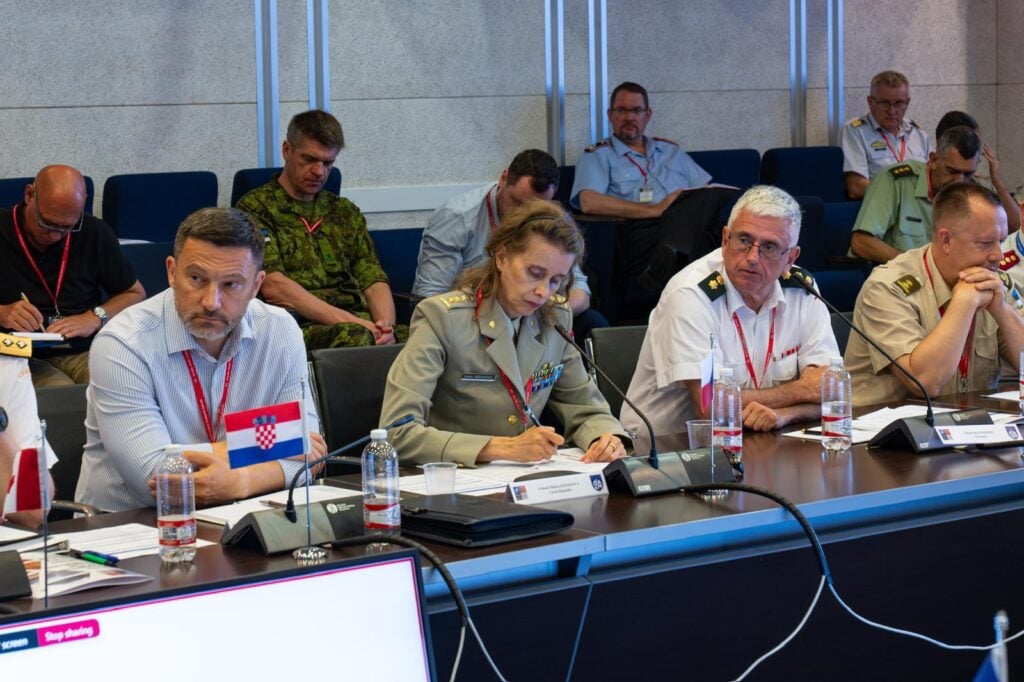
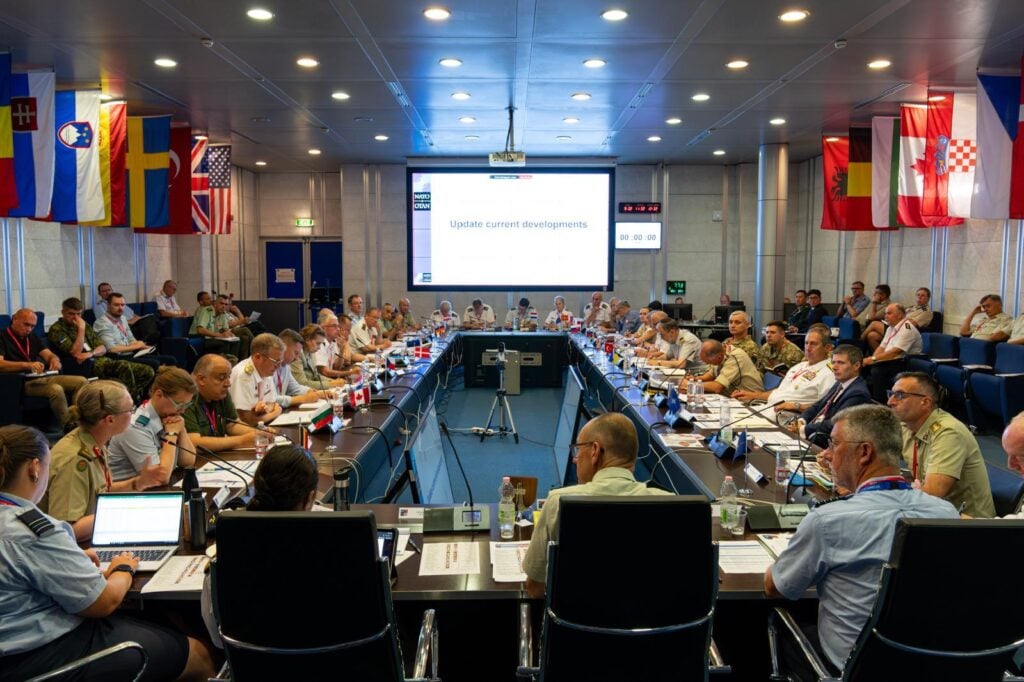
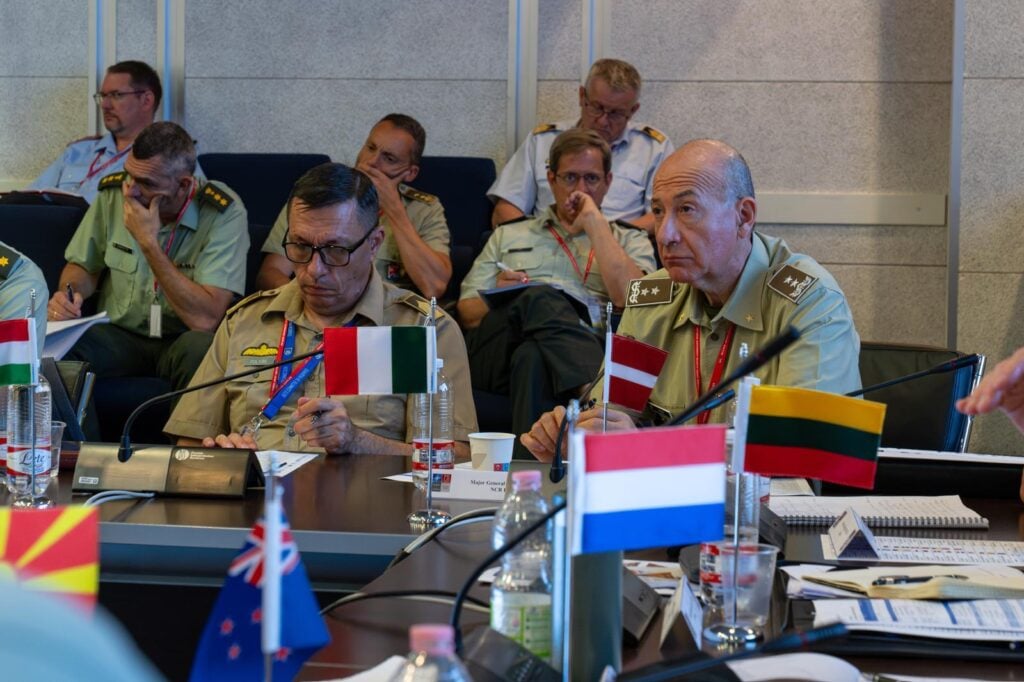
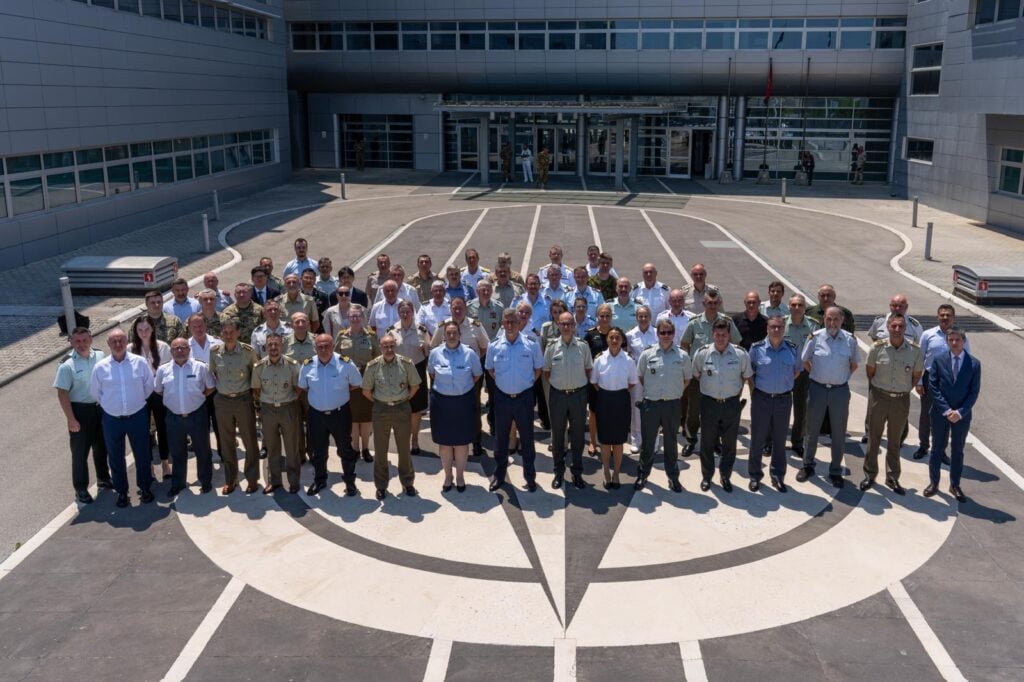
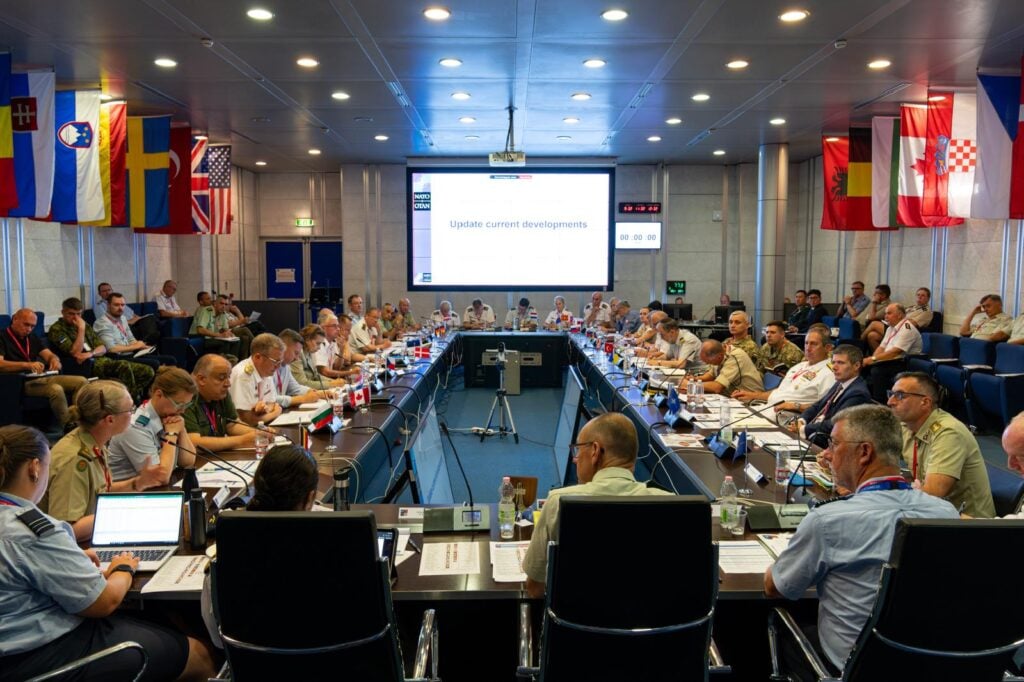
NRFC Winter Plenary Meeting 2023 at NATO HQ
This year’s Annual National Reserve Forces Committee (NRFC) winter meeting was hosted at NATO HQ, from 30 January to 2 February 2023. With NATO Member States and six Partners, the NRFC promotes and enhances the utility and interests of Reserve Forces and Personnel as a vital component of National Forces and the NATO Force Structure.
The three-day meeting of the NRFC focussed on briefings, topical discussions and syndicate work. Welcoming participants, the Chair of the NRFC, Brigadier General Charlotte Wetche, summarised the aim of the different sessions, “the NRFC is a forum dedicated to fostering a strong cooperation and achieving synergies through the use and combination of NRFC expertise” adding that “Together, we can continue the meaningful work of the NRFC, whilst respecting the different national approaches regarding Reserve Forces”.
Over the course of the meeting, participants received a series of updates from a variety of NATO entities, including NATO School Oberammergau, the NATO International Military Staff and the Allied Command Transformation, as well as briefings from some NATO and Partner Nations. For some Nations reservists make up almost 50% of their National forces, which makes the exchange of ideas, procedures and lessons-learned even more valuable. In topical working sessions, members were invited to discuss, lessons identified from the recent and ongoing global pandemic as well as specific areas of interest, such as cyber and military mobility.
On Wednesday, the NRFC meeting merged with its sister organisation, the Interallied Confederation of Reserve Officers (known by its French acronym CIOR). Both organisations are complementary, the first focusing on the Reserves and the second on Reservists. Addressing the national representatives at the beginning of this joint session, the NATO Deputy Secretary General, H.E. Mircea Geoana highlighted the key role reservists are playing in the current security environment and in implementing NATO’s current agenda. Adding that “our unity and solidarity are stronger than ever. There is no doubt in my mind that NATO is the best guarantee for our security. And reserve officers, like you, are key to protecting our people and values”. The follow-on programme included a dedicated session to the ongoing war in Ukraine and the use of its reservists to push back the invading Russian forces. Participants were briefed on the establishment of the Territorial Defense Forces as a new branch of the Ukrainian Armed Forces, in February 2022, and composed of volunteers, who are mobilized for local defence.
Finally, the Chair of the NRFC, Brigadier General Wetche attended a meeting of the NATO Military Committee, providing a comprehensive update on last year’s activities as well as ongoing work and projects, with a special focus on how the Nations will be able to mobilize their Reserves. In his remarks, the Chair of the NATO Military Committee, Admiral Bauer thanked the NRFC Chair for the briefing. “The Roles of the Reserves Forces in contributing to the objectives of the Alliance will remain important as our adaptation continues and we look forward to receiving more policy advice on reserve issues from the NRFC”, concluded the Admiral.


Hybrid NRFC Summer Plenary Meeting 2022 in Seoul/Republic of Korea
After two and a half years of digital plenary meetings due to pandemic-related travel restrictions, the NRFC plenary returned to physical meetings in early July 2022.
From the 4 – 7 July 2022, the majority of the Heads of Delegation (HoD) met in person for their NRFC Summer Plenary Meeting. As some members were only able to attend digitally, the meeting was conducted in a hybrid format. A premiere for the NRFC on the Flag Officer level.
The Republic of Korea (ROK) hosted the meeting in the capital city of Seoul. This was the first time in NRFC history that an Observer Nation hosted a plenary meeting. The hosts provided a fantastic setting for face-to-face exchanges on the important strategic issues of the Reserve Forces.
A welcoming ceremony in the ballroom of the Grand Hyatt Hotel in Seoul formally opened the meeting. The ROK Armed Forces Defence Chief, General Park welcomed the participants and stressed the importance of hosting the NRFC in his country. He expected that the presentations and discussions would provide important impetus for the further development of the ROK Reserve Forces.
During the three days of the Summer Plenary Meeting, the HoDs exchanged their views on a variety of important topics:
In light of the full-scale Russian invasion of Ukraine, the NRFC considered the implications of current events for Reserve Forces in NATO. The panel had decided in advance to focus on the issue of mobilisation. Presentations by the ROK, the United States and Sweden provided the base for a deep dive into this topic.
On the second day, the Committee deliberated about the future topics the plenary should work on and on further improving the exchange of information and best practices amongst each other. In the afternoon, the participants went on a field trip to the Demilitarized Zone at the 38th parallel. The most symbolic place to witness the divided reality of Korea. The evening ended with a festive dinner that provided the participants with the opportunity for informal discussions.
Before the conclusion of the meeting, the participants heard updates from ACT, IMS, the NATO School Oberammergau, CIOR, and the NRFC Working Groups.
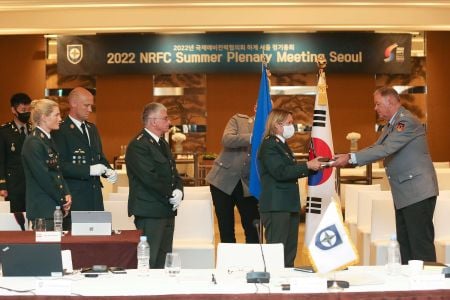
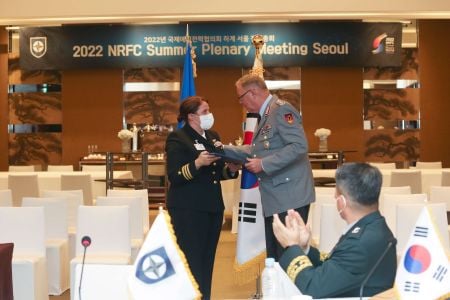
The NRFC did not miss the opportunity to award two deserving members of the committee. The NRFC Secretary General had the great pleasure in handing over the NRFC commemorative plaque and coin to Wing Commander Dave Ross from the Australian Delegation and to Commander Page Felini, the Liaisons Officer of the Supreme Allied Command Transformation for their effective commitment with the NRFC and outstanding contribution to the Reserve Forces community.
Last but not least, the leadership of the NRFC was handed over to Denmark in a small ceremony that involved handing over the NRFC flag. The German Secretary General took the opportunity to thank the host nation for their outstanding hospitality and to wish the NRFC all the best for the future. Addressing the new Chair, he noted: “You can count on the support of the members of the NRFC!”
The 2022 NRFC Summer Plenary Meeting was a resounding success. The participants that were able to travel to Seoul in particular appreciated the chance for further discussions aside from the conference table.
The next Plenary is scheduled from January 30 to February 2, 2023 in Brussels. Then Brigadier General Charlotte Wetche from the Danish Army will chair a NRFC plenary meeting for the first time.
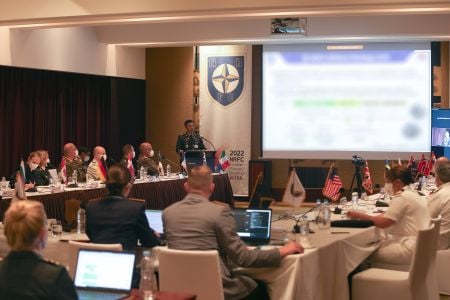



Hybrid NRFC Staff Officer Meeting in London/United Kingdom
During the period 21-24 March 2022, the NRFC Staff Officers held their Staff Officer Meeting (SOM). Holding it in a hybrid format allowed nations to once again participate virtually, although the majority of nations attended in person.
The venue for the event was the Park Plaza Waterloo Hotel in central London. The event, designed as a working meeting, was also flanked by a social program excellently designed by the host nation, which included a visit to the Horse Guard, the Tower and an obligatory stop from the door of No 10 Downing Street.
In addition to the latest information from IMS, NSO and ACT, the staff officers were also visited by the future UK HoD – Brigadier Marc Overton who, in addition to his interest in the work, offered insights into UK Reserve thinking.
On the second day, the staff officers focused not only on updates from the various working groups and other ongoing projects, but also on issues related to current developments in Russia’s expanded invasion of Ukraine. The day ended with a festive NRFC dinner at the Royal Navy’s HMS President, a picturesque clubhouse located on the Thames River.
On the final day of the conference, details were presented on planning for the 2022 Summer Meeting in Seoul, and participants discussed future NRFC meetings and event formats. Afterwards, the temporary NRFC Secretary General closed the meeting. However, the work continued in the afternoon when the working groups took the opportunity to meet in person and discuss the further items in their respective groups.
The conclusion of the participants of the event was consistently positive. The opportunity to also exchange ideas in person in one-on-one meetings was seen as a clear benefit and holding it in a hybrid form as a possible format for future events is seen as an option for the future.
The excellent organization by the host country, the UK, played a major role in making SOM 2022/1 a successful meeting. The staff officers of the NRFC will meet for their next meeting (SOM 2022/2) from 26 to 29 September 2022 in Amsterdam, then already under DNK leadership.




Digital Winter Plenary Meeting 22
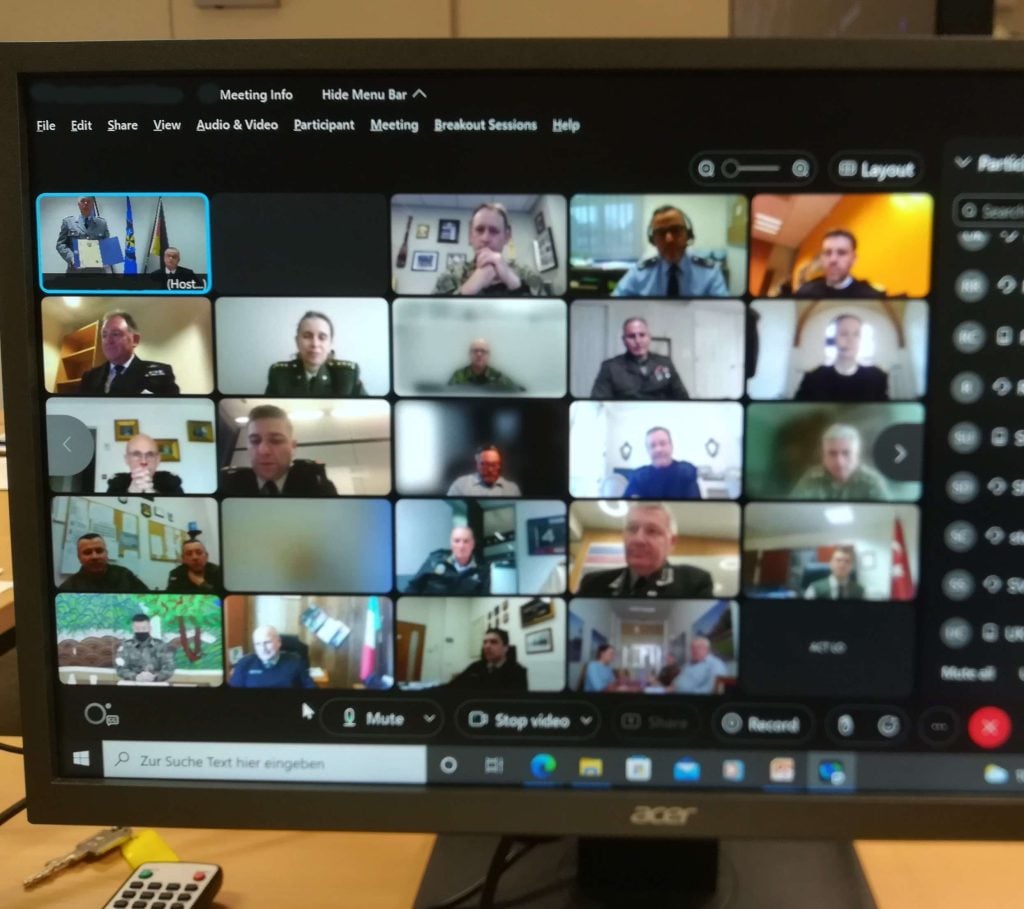
Originally, the NRFC Winter Plenary Meeting 2022 was scheduled to take place at NATO HQ in Brussels. However, due to the ongoing pandemic the Chair, Rear Admiral Michael H. Busse, decided to cancel the in-person meeting in Brussels and to hold a purely digital meeting in the form of a video conference instead. As a result, a total of 22 nations met in front of the screens for a mutual exchange of ideas in the period from February 1 to 3, 2022.
Some highlights of the conference include a keynote speech by the COS SHAPE, Admiral Jochen Rühle, who emphasized the importance of the Reserve for NATO. Additionally, the IMS, the ACT, the NATO School in Oberammergau, and the CIOR gave an update on the current challenges in their respective areas of responsibility. Additionally, Czech Republic delivered a comprehensive national update on its Reserve Forces and the Heads of Delegations discussed role of the Reserve Forces in the area of Extraordinary Situations like a pandemic, Cyber, and Military Mobility.
On the final meeting day, the NRFC awarded a deserving member of the committee. The NRFC Chair had the great pleasure in awarding Wing Commander Dave Ross from the Australian delegation for his effective commitment with the NRFC and outstanding contribution to the Reserve Forces community with the NRFC commemorative plaque and coin.
Overall, the Winter Plenary Meeting 2022 was a very informative and successful meeting. The next Plenary is scheduled for July 4-7, 2022 in Seoul, capital of the Republic of Korea.

First hybrid NRFC Staff Officer Meeting in Tallinn/Estonia
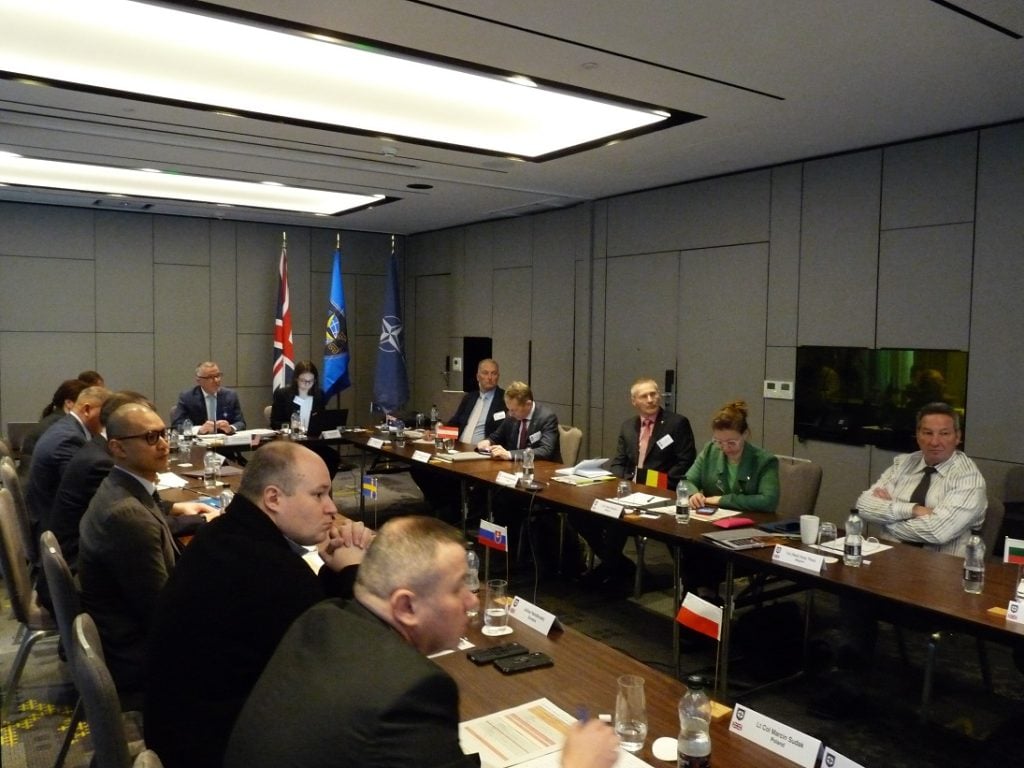
From 11 to 14 October 2021, the staff officers of the NRFC held their second Staff Officer Meeting (SOM). While the first meeting in March 2021 had to take place purely digitally, the majority of the staff officers of the participating nations were able to travel to Tallinn/Estonia for the meeting in October. Only a few participants were connected digitally. Thus, the SOM 2021/2 was the first hybrid meeting in the history of the NRFC. A novelty!
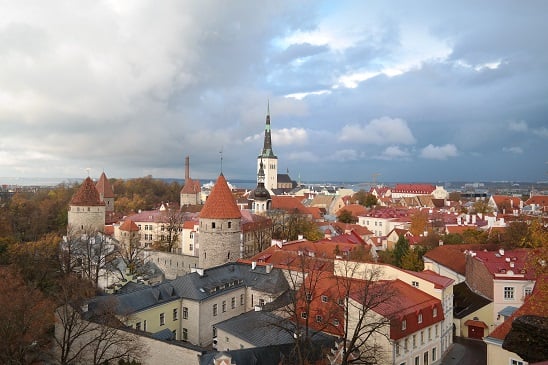
The event took place in the Hotel L`Embitu in Tallinn. A representative of the Estonian Armed Forces welcomed the participants and opened the conference. Brigadier General Riho Ühtegi gave an interesting presentation about the Estonian Defence League and provided the participants with detailed insight into the Estonian Reserve Forces. Updates from IMS, CIOR, NSO and ACT followed. The first day ended with a small cultural program, a guided tour of the picturesque Old Town of Tallinn.
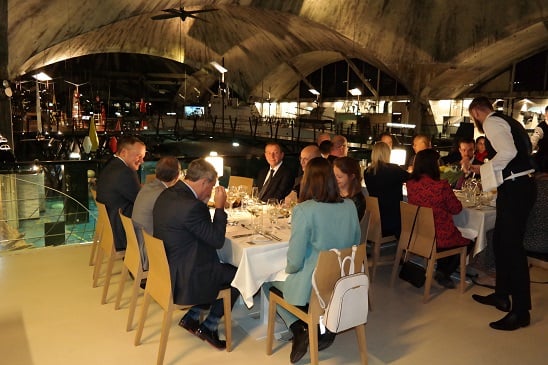
On the second day, the staff officers focused on the updates of the different working groups and other ongoing projects. The day ended with a festive NRFC dinner in the Tallinn Naval Museum that provided the participants with the opportunity for informal discussions.
On the last day of the conference, the planning for the Winter Meeting 2022 at NATO HQ in Brussels was coordinated and the participants discussed the future NRFC meetings and events. Afterwards, the NRFC Secretary General concluded the meeting. However, the work continued in the afternoon, as the working groups took the opportunity to come together in person and discuss the most pressing points in their respective groups.
The conclusion of the participants at the event was positive throughout. Next to the possibility to finally exchange ideas in person again, the NRFC gained valuable experience in conducting hybrid meetings. This experience will feed into the organization of future meetings.
The excellent organization by the host nation Estonia contributed substantially to the fact that the SOM 2021/2 was a successful meeting. The staff officers of the NRFC will meet for their next hybrid meeting (SOM 2022/1) in London from 21 to 24 March 2022.
NATO National Reserve Forces Committee Celebrates 25-anniversary in 2021
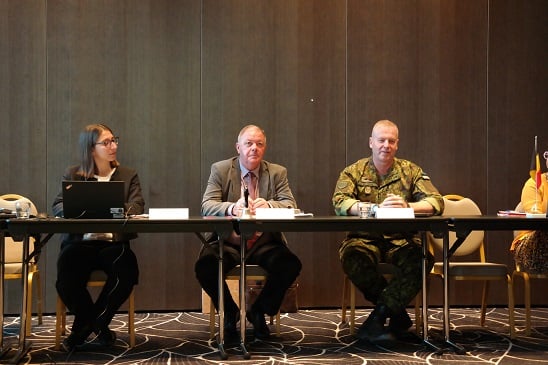
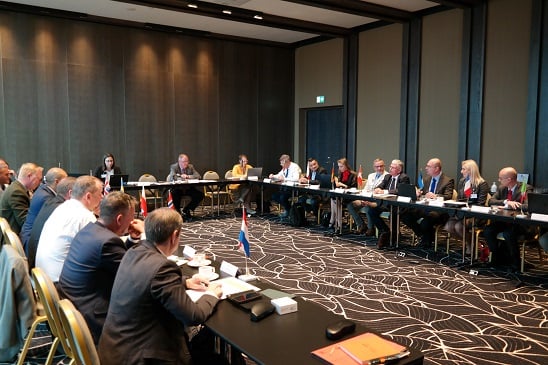
This year marks 25 years since the recognition of the NRFC as a NATO advisory committee and 30 years since its founding.
The NRFC has been providing a reliable platform for the exchange of best practices and the different national approaches to Reserve Forces. The committee also worked on a broad variety of special topics, including but not limited to: Reservists in Operations, Reserve Support to Exercises and Training, Employer Support/Employer Engagement, and Reserve Force Cyber Capability Development. Additionally, the NRFC continues to work in close cooperation with other organisations that have an interest in reserve affairs, especially the Interallied Confederation of Reserve Officers (CIOR).
Unfortunately, due to ongoing restrictions related to the COVID-19 pandemic, the NRFC could not celebrate its anniversary in-person during the Summer Plenary Meeting 2021. Instead, the meeting went ahead in a digital format as VTC. During his welcome address, the NRFC Chairman acknowledged the anniversary and congratulated the committee on their impressive work in the past.
The NRFC members are looking forward to see each other again in-person at the upcoming Staff Officer Meeting in Estonia and the next plenary meeting in Belgium.
Winter Meeting of the National Reserve Forces Committee of NATO chaired by Germany
In early February 2021, NATO’s National Reserve Forces Committee (NRFC) conducted their first Winter Meeting under the leadership of the Chairman, Rear Admiral Michael H. Busse. Germany officially took over the Chairmanship of from Poland on July 1, 2020. The original intention to hold the conference at NATO Headquarters in Brussels fell victim to the current global travel restrictions related to the COVID-19 pandemic. Therefore the plenary meeting went ahead as digital event with the Heads of Delegation from eighteen NATO countries and six other nations in observer status (Australia, Austria, Georgia, New Zealand, South Korea and Sweden) participating a video conference call.
The NRFC is a recognized and established NATO advisory body that aims to advise the Military Committee in Brussels on all strategic issues of Reserve Forces. Due to current events, the deployment of Reserve Forces for pandemic response was the focus of the 3-day deliberations.
At the beginning of the conference, Director General NATO International Military Staff, Lieutenant General Hans-Werner Wiermann, addressed the delegates, emphasizing the importance of the NRFC and NATO’s role in tackling the pandemic. Contributions from Supreme Headquarters Allied Powers Europe (SHAPE) as well as from Italy and Australia rounded off the series of presentations on the key topic of pandemic control.
The Chairman used the conference to present his ideas for the future cooperation in the NRFC to the plenary. The Role of Reserve Forces in response to extraordinary situations and pandemic control, defense against threats to NATO from CYBER attacks, and in enhancing sustainment in the Area of Responsibility of the Supreme Allied Commander Europe (SACEUR) will be the focus of deliberations in the coming years.
The Chairman and the delegates concluded by expressing their satisfaction with the content and conduct of the first virtual Winter Meeting.
For her commitment with the NRFC and outstanding contribution to the Reserve Forces community, the Chairman awarded Captain (US Navy) Abigail GOSS with the NRFC commemorative plaque and coin.
The next meeting of the NRFC is scheduled for July 2021.


 First virtual NRFC Staff Officer Meeting
The staff officers of the NRFC meet twice a year to exchange experience on reserve issues within NATO. In addition, they prepare the content of the NRFC full meetings on the level of Heads of Delegation. The Chairman NRFC leads the full meetings that also occur twice a year.
However, the ongoing travel restrictions in connection with the pandemic made any in-person Staff Officer and full meetings impossible. Therefore, instead of meeting in Rome, Italy, this year’s autumn staff officer meeting took place in the virtual space as video teleconference. A novelty in the long history of the NRFC.
From the 3rd to 5th of November 2020, the participants met on screen under the leadership of the Secretary General NRFC. Next to hearing updates from IMS, ACT and further speakers, staff officers mainly focused on the discussion of main NRFC projects. Overall, NRFC Secretary General expressed his satisfaction with the event, stating, “Everyone was eager to use the available technical means as good as possible. We certainly had productive discussions and a fruitful exchange of ideas. Definitely a good learning experience for the upcoming full meeting.”
Due to the current dynamic situation in the context of COVID-19, the next Winter Meeting, February 2021, and the next Staff Officer Meeting, spring 2021, will take place as virtual events as well.
All participants of the first virtual Staff Officer Meeting expressed their hope that they can meet and exchange experiences face to face again soon.
Handover of the NRFC Chairmanship
Bonn/Germany and Warsaw/Poland, 1st of July 2020
Taking effect on the 1st of July 2020, Germany took over the NRFC Chairmanship from Poland. On the 23rd of June 2020, Major General Robert GŁĄB handed the responsibility as Chairman over to Rear Admiral Michael H. Busse in a bilateral VTC. Traditionally, the Chairmanship Handover takes place at the end of a Summer Meeting. However, the Summer Meeting 2020 in Georgia was cancelled, due to the COVID-19 related travel restrictions.
Reserve Forces from all around the world