Testing Tomorrow’s Capabilities Today
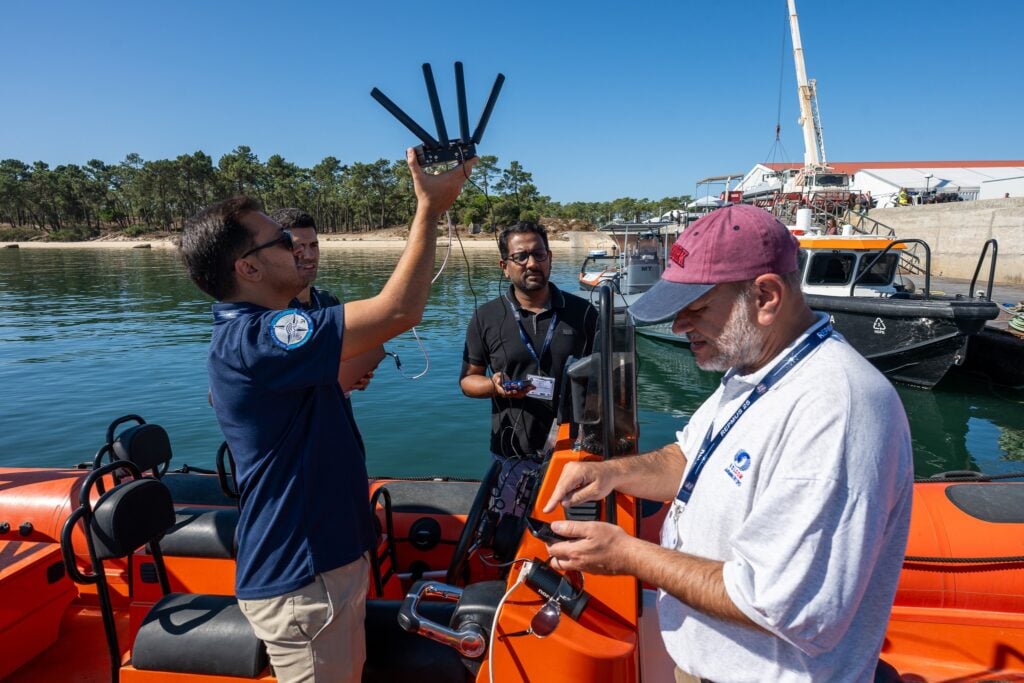
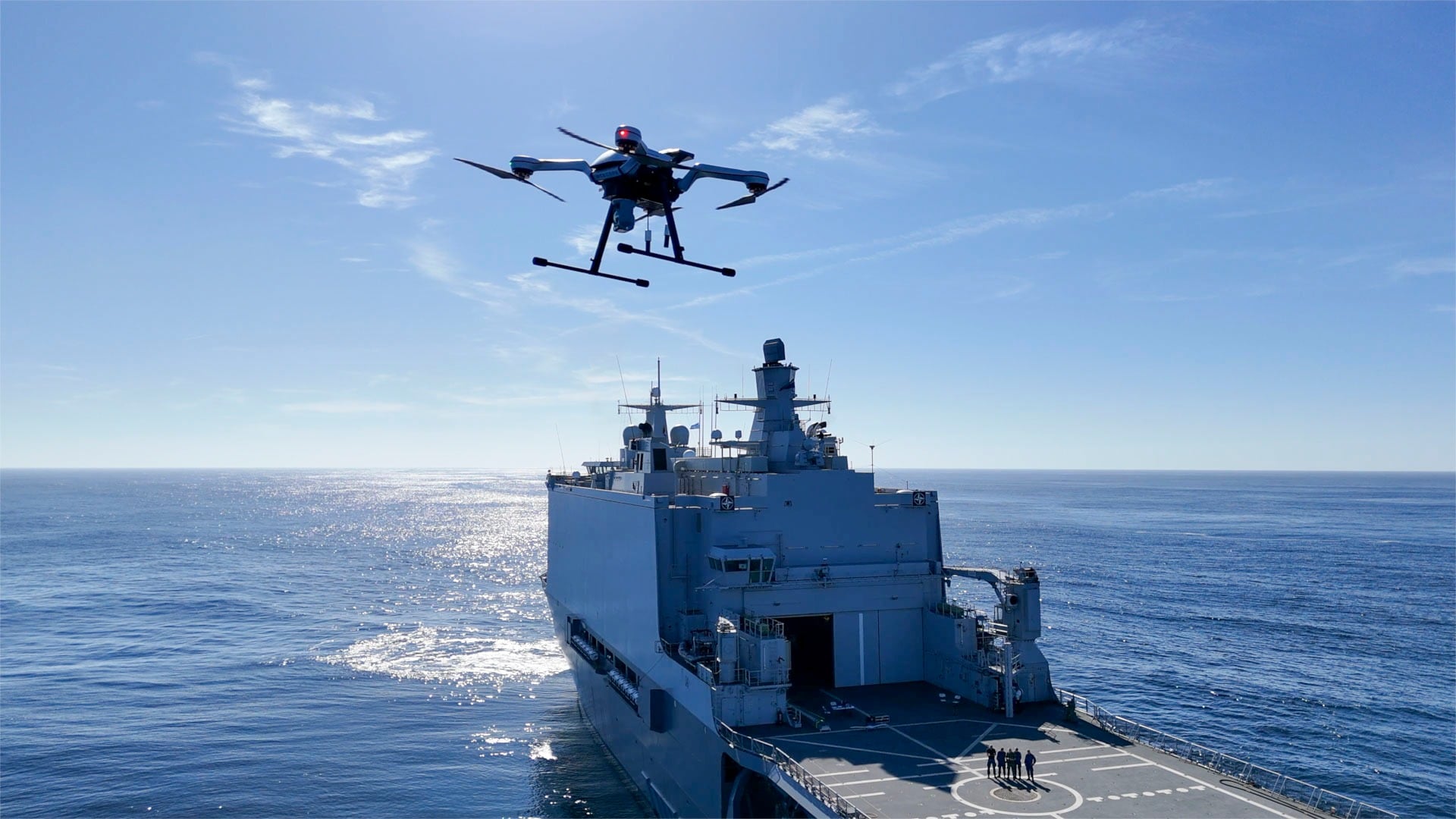
Dynamic Messenger 2025, held this month off the coast of Portugal, brought together Allied and partner nations, warships, submarines, uncrewed systems, industry, and academia to explore how emerging and disruptive technologies could be integrated into NATO operations. The exercise built on the Portuguese-led Robotic Experimentation and Prototyping with Maritime Unmanned Systems (REPMUS) series, expanding experimentation into a live operational setting where concepts and technologies were tested against realistic challenges.
Hosted by the Portuguese Navy and jointly organized by Allied Maritime Command (MARCOM) and supported by Allied Command Transformation (ACT), REPMUS/Dynamic Messenger exemplified how strategic transformation and operational effectiveness come together in practice. The partnership highlighted NATO’s ability to connect innovation directly with operational application, ensuring that Allies are testing not just technology, but also the concepts and structures needed to employ it effectively.
Supreme Allied Commander Transformation, Admiral Pierre Vandier, underscored this point, emphasizing the importance of experimentation as the driving force behind NATO’s ability to adapt and maintain its edge.
Rapid adoption, powered by experimentation and innovation, is vital to ensuring NATO remains ready to meet the challenges of an evolving operating environment. Dynamic Messenger is a clear example of this transformation in action in the maritime domain, connecting ideas to operations and accelerating the adoption of new concepts and capabilities at the speed and scale required to keep our Alliance strong.
– Admiral Pierre Vandier, Supreme Allied Commander Transformation
REPMUS vs. Dynamic Messenger
REPMUS concentrated on developing capabilities and improving interoperability among unmanned systems. Dynamic Messenger followed by shifting the focus toward operational integration and experimentation across multiple domains. Held consecutively, the two exercises worked in tandem: REPMUS advanced the technology and concepts, while Dynamic Messenger applied them in operational conditions. Together, they created a comprehensive sequence that accelerated the adoption of new technology and its transition into the NATO operational environment.
By combining REPMUS with Dynamic Messenger, NATO created a unique environment that accelerated the development and integration of maritime innovation. This approach strengthened interoperability among Allies and ensured that promising new capabilities could be scaled for operational use across the Alliance.
ACT’s Role: Concept Development and Experimentation
As NATO’s warfare development command, Allied Command Transformation ensures that the Alliance is prepared to meet tomorrow’s challenges. Dynamic Messenger is a clear example of this mission in action. It provided NATO with an operational evaluation environment where ideas were put into practice.
Allied Command Transformation used the exercise to:
- Enhance training realism and dynamism by simulating potential real-world scenarios, achieving an Audacious Training experience through providing attritable USVs to train conventional forces. This exercise represents the last part of phase one of Task Force X Baltic.
- Adopt innovative solutions, such as Mainsail, for the protection of Critical Undersea Infrastructure and the application of emerging and disruptive technologies, including cyber effects.
- Test interoperability between uncrewed and conventional assets, employing the Wiki information management tool, which mitigates risks within the Command and Control System and improves interoperability.
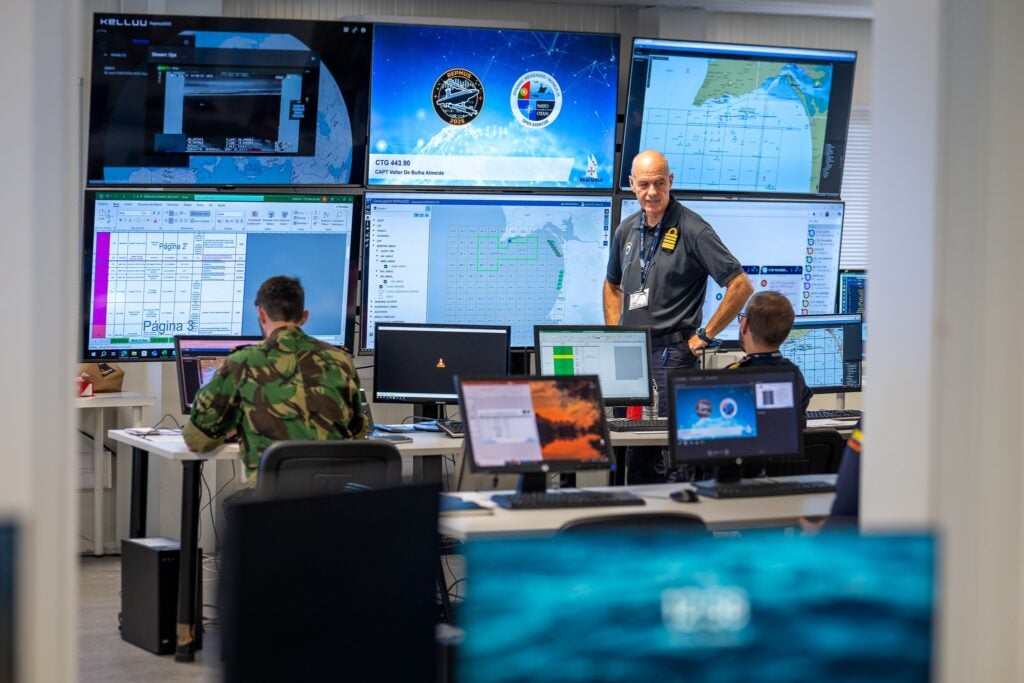
- Utilize the TALOS software for the first time, for the collection and analysis of the data to create effective and agile Lessons Learned with AI insight.
These experiments allow NATO to move beyond theory, putting concepts into practice in a live environment. The lessons learned will inform future doctrine, capability development, and force design across the Alliance.
Innovation through Collaboration
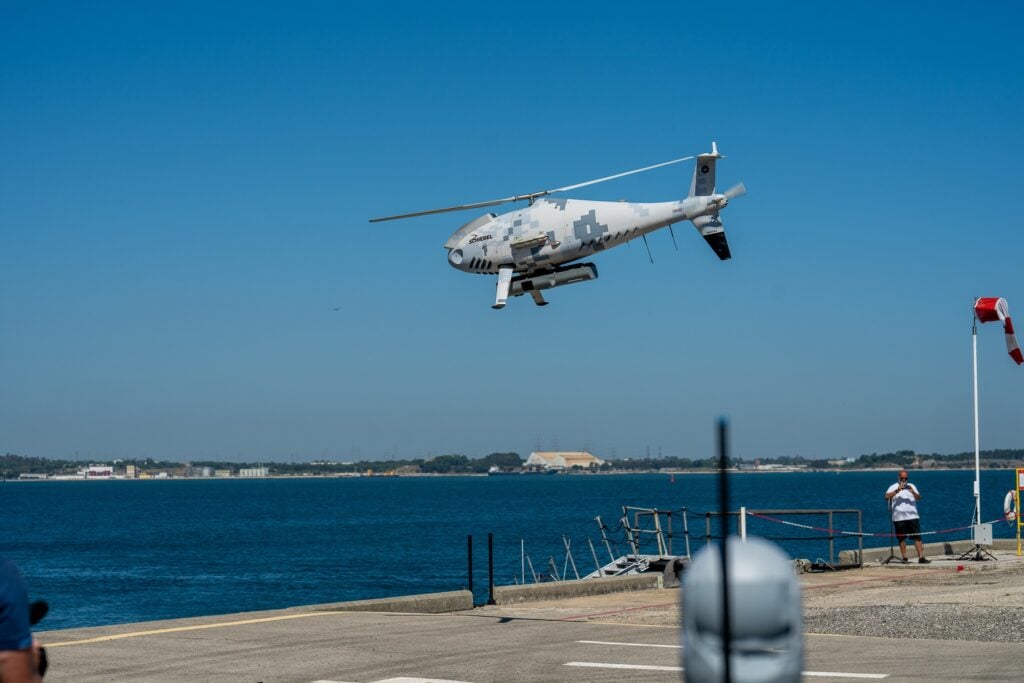
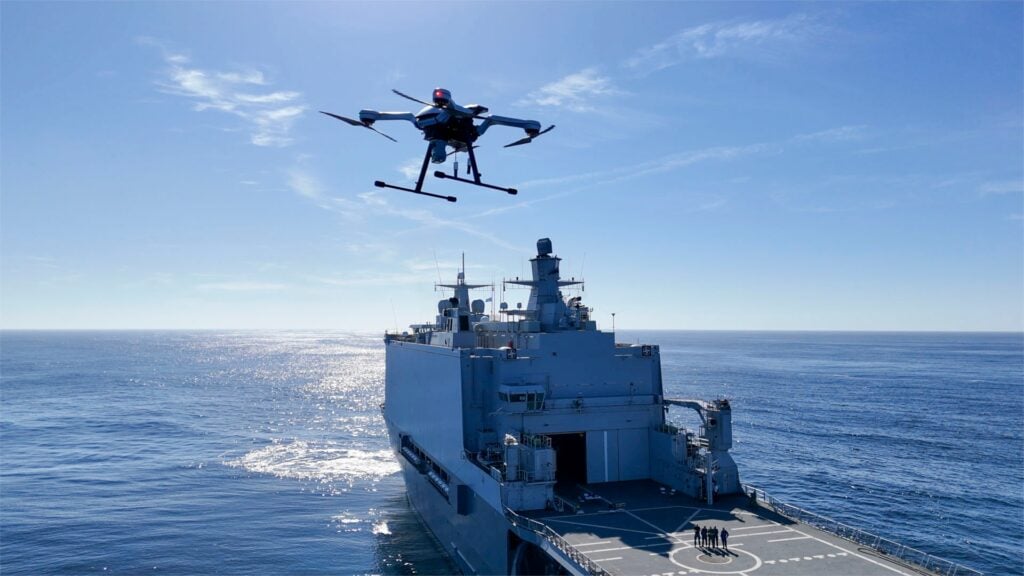
Dynamic Messenger brought together more than 2,000 participants from 22 Allied nations, and observers from an additional 13 countries (including Australia, Bahrain, Brazil, Bulgaria, Chile, Croatia, Estonia, Iraq, Latvia, New Zealand, Pakistan, Peru, and South Korea) which enhanced global interoperability and enriched NATO’s experimentation with diverse perspectives. Academic institutions and industry innovators also took part, contributing to trials of more than 260 uncrewed systems across the air, surface, and subsurface domains.
Allied Command Transformation played a central role in harnessing these collaborations. By working directly with scientists, engineers, and operators, the command accelerated the transition of new technologies into operational concepts that could be adopted at speed and scale. This collective approach ensured that NATO remained agile and technologically superior in the maritime domain.
At REPMUS 2025 and DYNAMIC MESSENGER 2025, Rheinmetall contributed a 360-degree layered defense approach for multi-domain harbour protection. Through close collaboration with NATO and industry partners, Rheinmetall rigorously tested prototypes of UAVs, UGVs, and C4I technologies in realistic scenarios focused on manned-unmanned teaming and autonomy. This mission-centric collective effort enabled the refinement of tactical procedures and identified key steps toward operational integration.
– Gregor F. Mannherz, Delegation Lead REPMUS 2025, Rheinmetall Electronics GmbH
Charting the Course Ahead
Dynamic Messenger demonstrates NATO’s determination to remain technologically superior in an era where uncrewed systems are increasingly central to maritime security. By combining operational exercises with experimentation, ACT ensures that Allies are not only adapting to emerging threats but shaping the future of warfare itself.
Through this exercise, ACT underscores its role as the Alliance’s engine of transformation, delivering concepts, capabilities, and innovation that keep NATO ready, resilient, and ahead of potential adversaries.