Preserving Freedom of Navigation Through Innovation
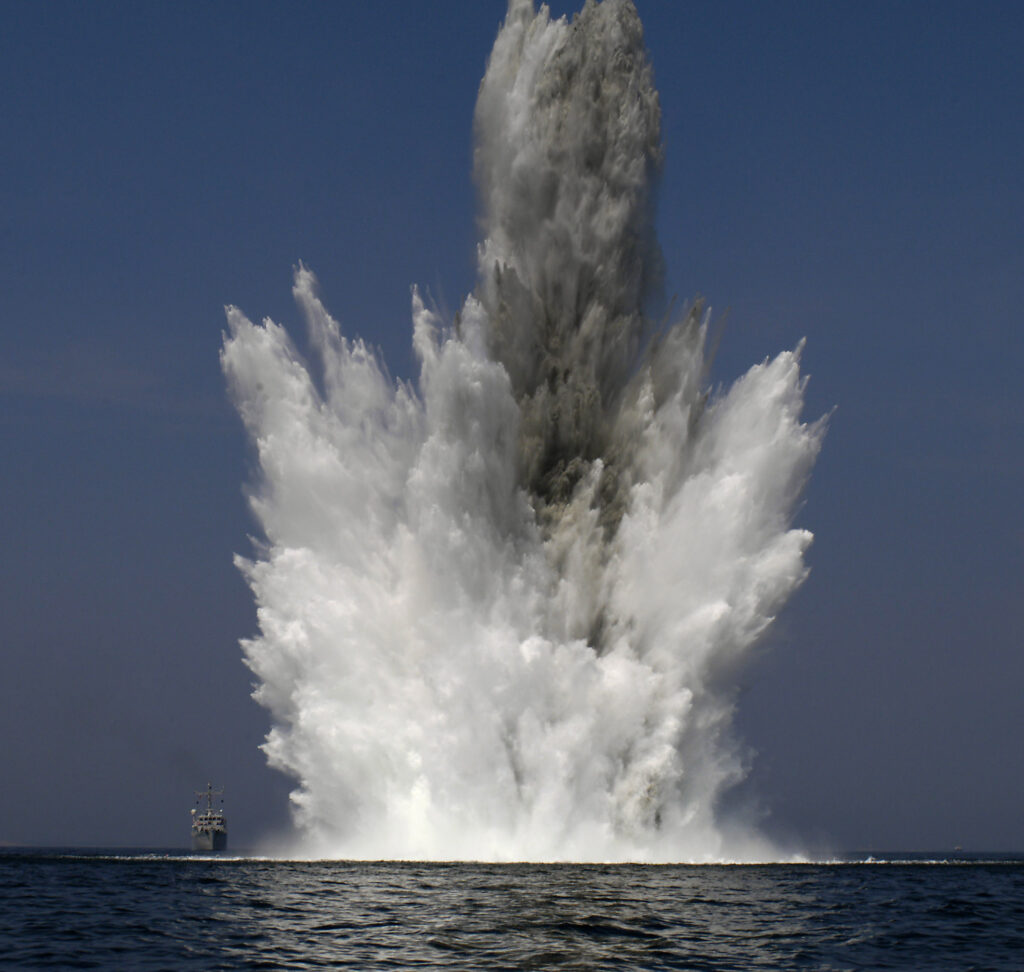
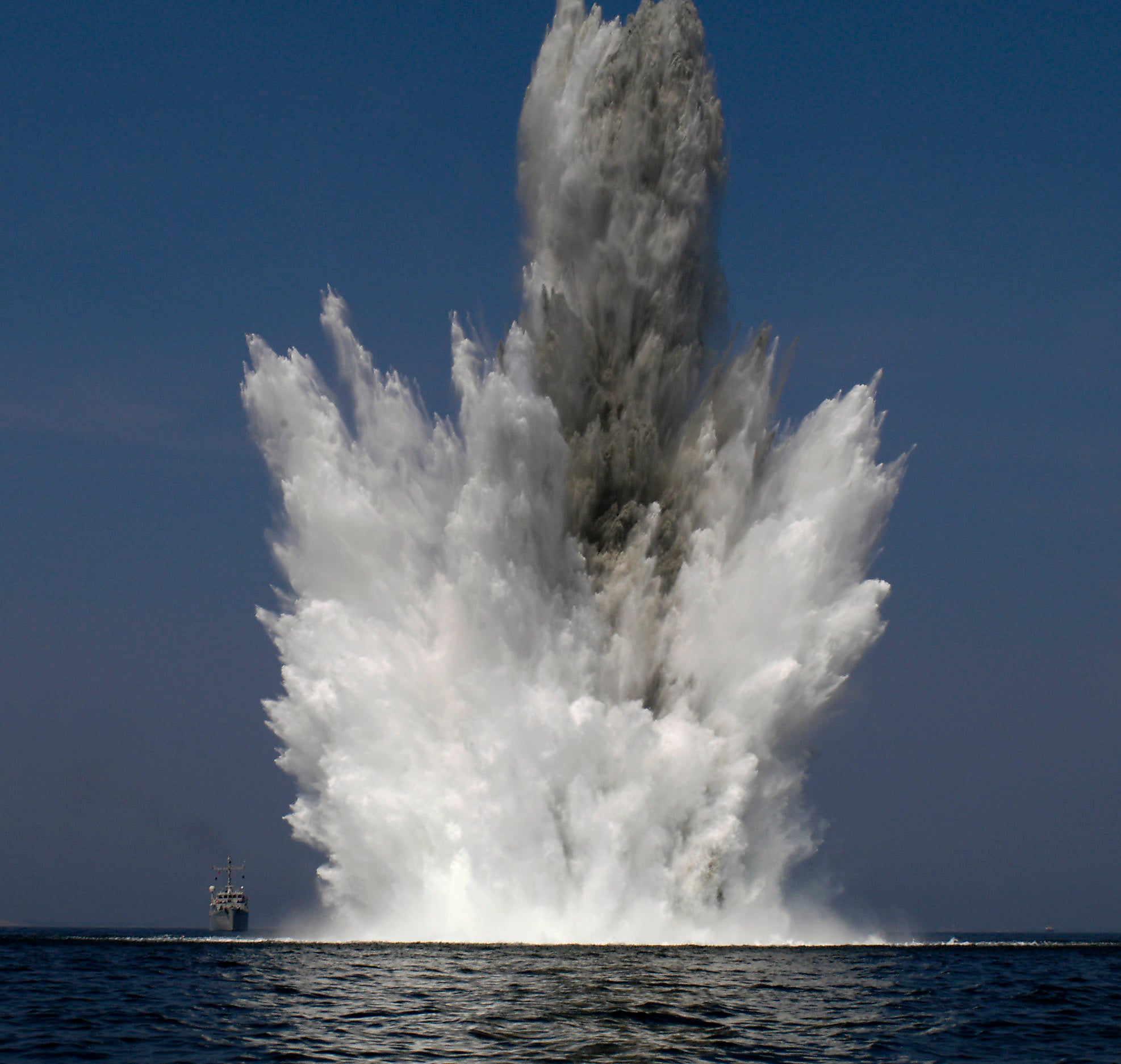
Sea mines continue to pose a persistent and cost-effective threat to global maritime security. With more than 50 nations possessing naval mines and over 30 actively producing them, the threat is both widespread and evolving. Recent conflicts, including the war in Ukraine, have underscored the strategic utility of sea mines in disrupting maritime routes and destabilizing the global economy. In this context, the NATO Naval Mine Warfare Centre of Excellence, located in Ostend, Belgium, serves as NATO’s principal source of expertise and innovation in mine warfare. The Centre supports the Alliance through doctrine and policy development, concept experimentation, and comprehensive training.
Advancing Interoperability at REPMUS 2025
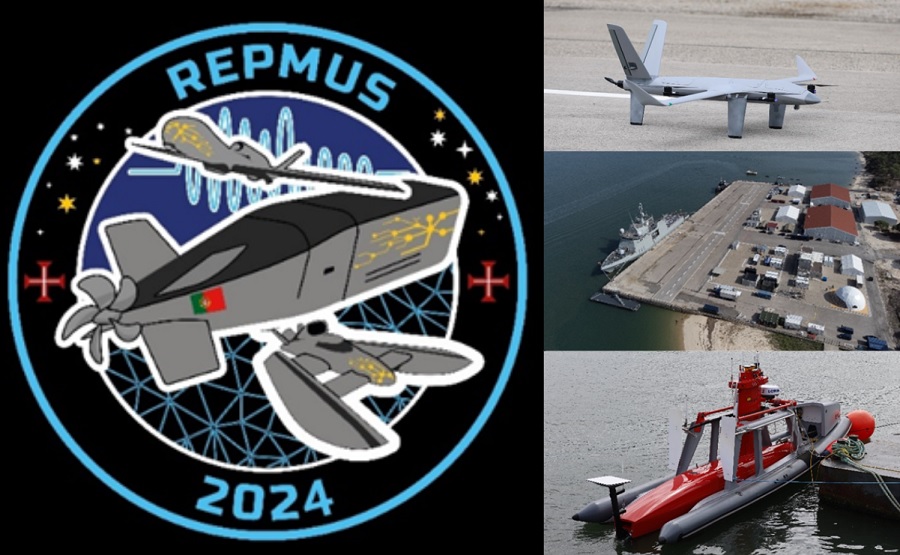
In 2025, the Centre will again participate in the Robotic Experimentation and Prototyping using Maritime Uncrewed Systems (REPMUS) exercise. As NATO’s largest testing venue for uncrewed systems, REPMUS brings together aerial, surface, undersea, and ground platforms in a dynamic multinational setting. The Naval Mine Warfare Centre of Excellence will evaluate key interoperability standards, including the draft Allied Tactical Publications EXTAC 886 (focused on Command and Control) and EXTAC 887 (addressing cross-domain data handling).
A key feature of the exercise is the multinational Data Fusion Cell, which rapidly integrates data specialists to define formats, interfaces, and procedures for synthesizing information from multiple platforms. These efforts aim to generate a coherent underwater picture that enhances operational decision-making and situational awareness across Allied forces.
Contributing to Strategic Thought and Capability Development
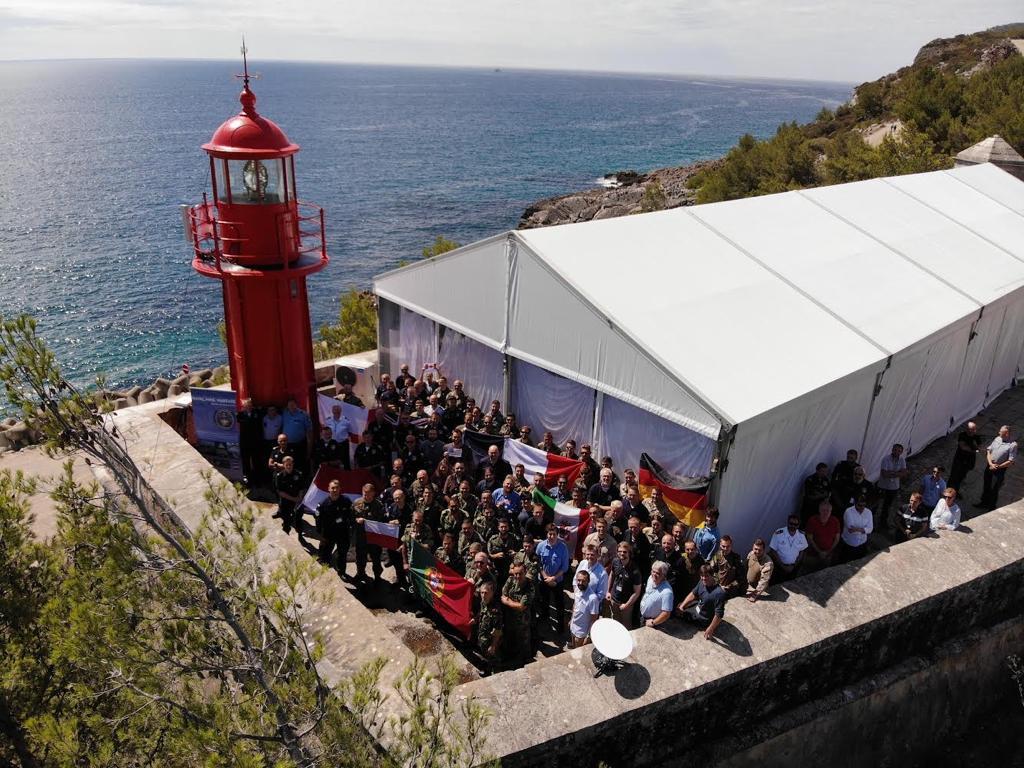
In May 2025, the Centre hosted its annual Naval Mine Warfare Conference in Ostend under the theme “Naval Mines in the Future Art of War: Relics of Past Centuries of Poor Navies or Effective Deterrent Weapon?” The conference gathered 70 participants from across the Alliance to examine current and future mine warfare capabilities. Discussions focused on national and NATO-level projects, technological trends, and the development of future mine-laying platforms. The event served as a key opportunity to align efforts and foster knowledge sharing among military, industry, and academic stakeholders.
Shaping the Future of NATO Mine Warfare
The Naval Mine Warfare Centre of Excellence is co-chairing the development of the NATO Naval Mine Warfare Strategy, contributing to the NATO Defence Planning Process. This strategic document will define the role of mine warfare within the broader Alliance context and outline a path to adapt current capabilities for future requirements. The Centre also contributed to the NATO Naval Mine Warfare Vision 2040+, which aims to position mine warfare as an essential element of NATO’s military instrument of power.
Through exercises, strategic planning, and cross-domain experimentation, the NATO Naval Mine Warfare Centre of Excellence ensures that mine warfare remains a vital and adaptable capability within NATO’s evolving maritime posture. To learn more, visit: https://www.nmwcoe.org/