
Strengthening NATO’s Civil Security Capabilities
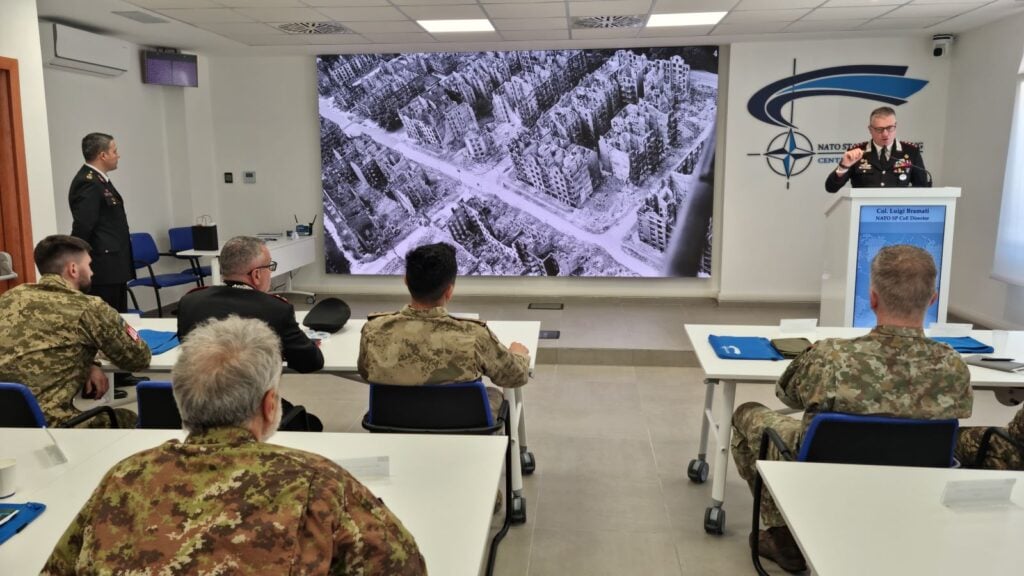
Established in 2015 and based in Vicenza, Italy, the NATO Stability Policing Centre of Excellence plays a pivotal role in strengthening NATO’s capacity to manage security and public order in conflict and post-conflict environments. Funded and staffed by nine NATO nations, including Italy, the Czech Republic, France, Greece, Poland, Romania, Spain, the Netherlands and Türkiye, the Centre supports the Alliance through research, training, and doctrine development focused on police-related activities in fragile and high-threat settings.
At the heart of its mission is closing the “policing gap”: the often-critical void in law enforcement capacity that emerges during crises, requiring external forces to temporarily assist or rebuild local policing functions. The Centre’s work ensures that NATO has the tools, expertise, and interoperability needed to fill this gap in a responsible and effective manner.
Addressing Emerging Threats: The Role of Drones in Policing
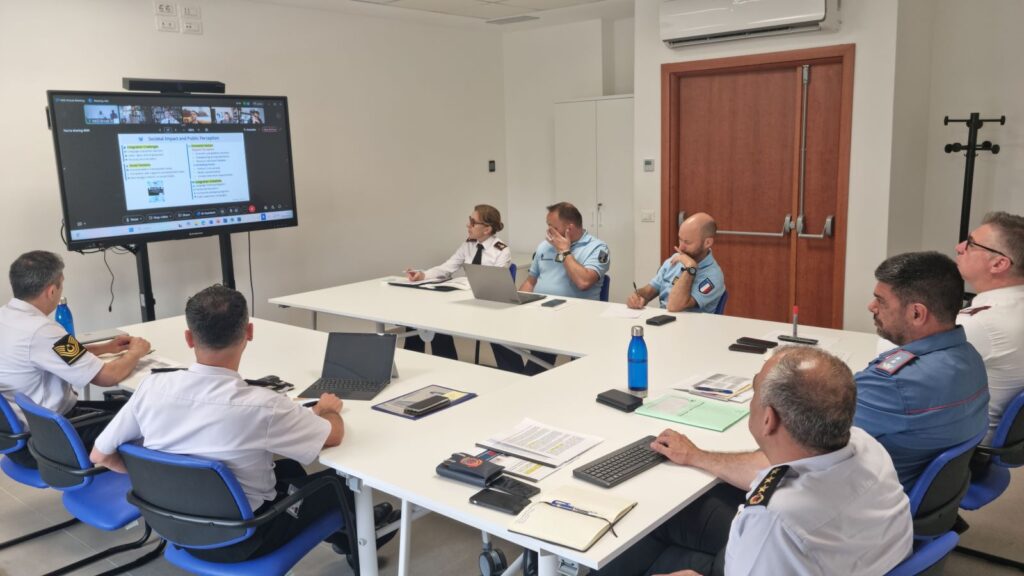
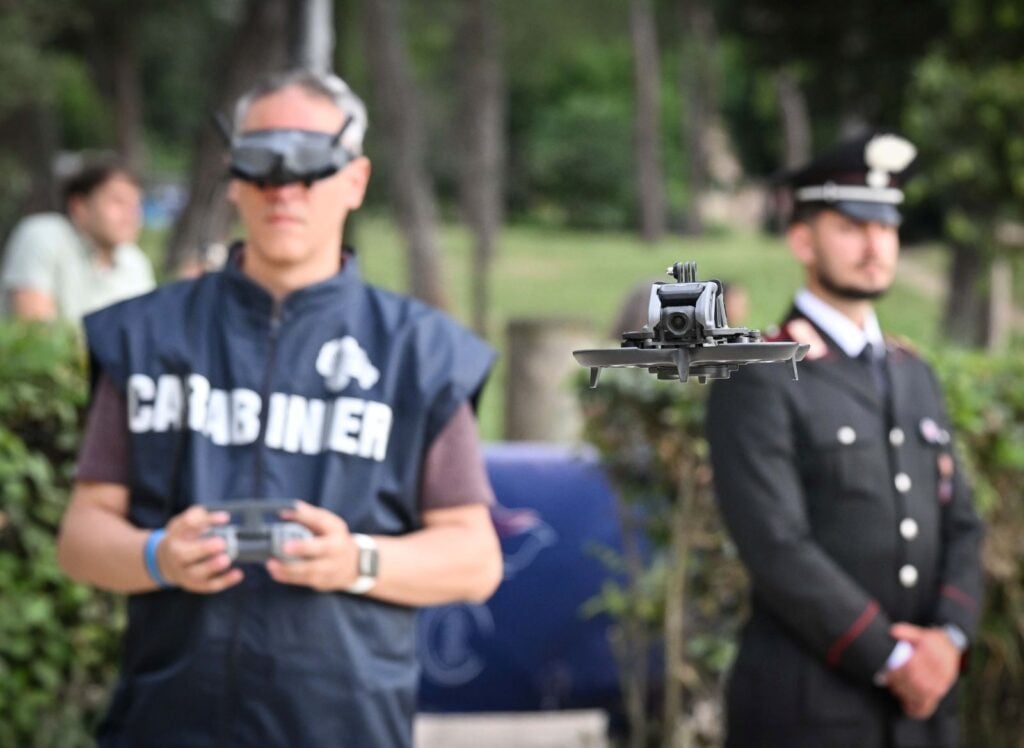
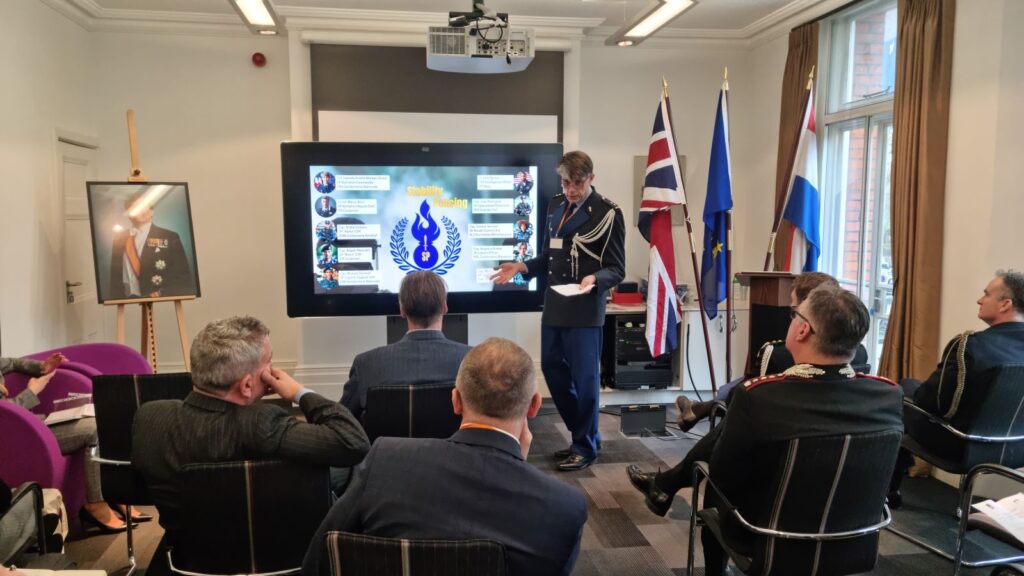
In 2024, the Centre turned its attention to how drone technology is reshaping civil security. Its study Stability Policing and the Drones’ War addressed the complex implications of uncrewed aerial systems for law enforcement agencies across the Alliance. Drawing on insights from a dedicated workshop, the publication emphasized the urgency of fostering interoperability between military and internal security sectors. As both domains increasingly deploy drones, NATO must ensure that frameworks for use, regulation, and operational integration remain aligned.
From Challenges to Capabilities: Drones as Force Multipliers
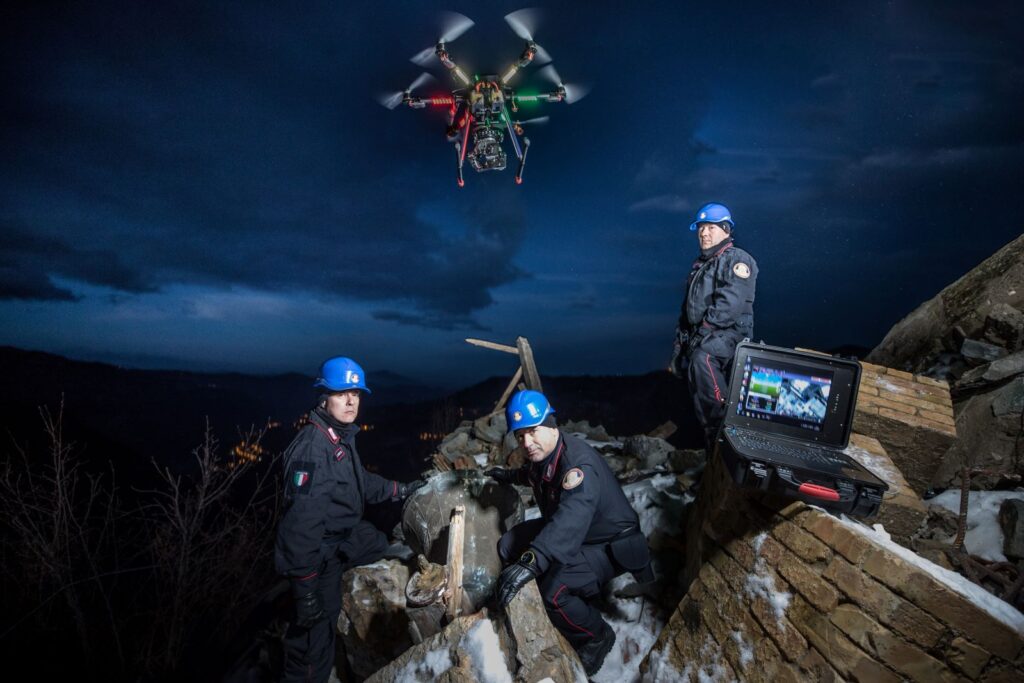
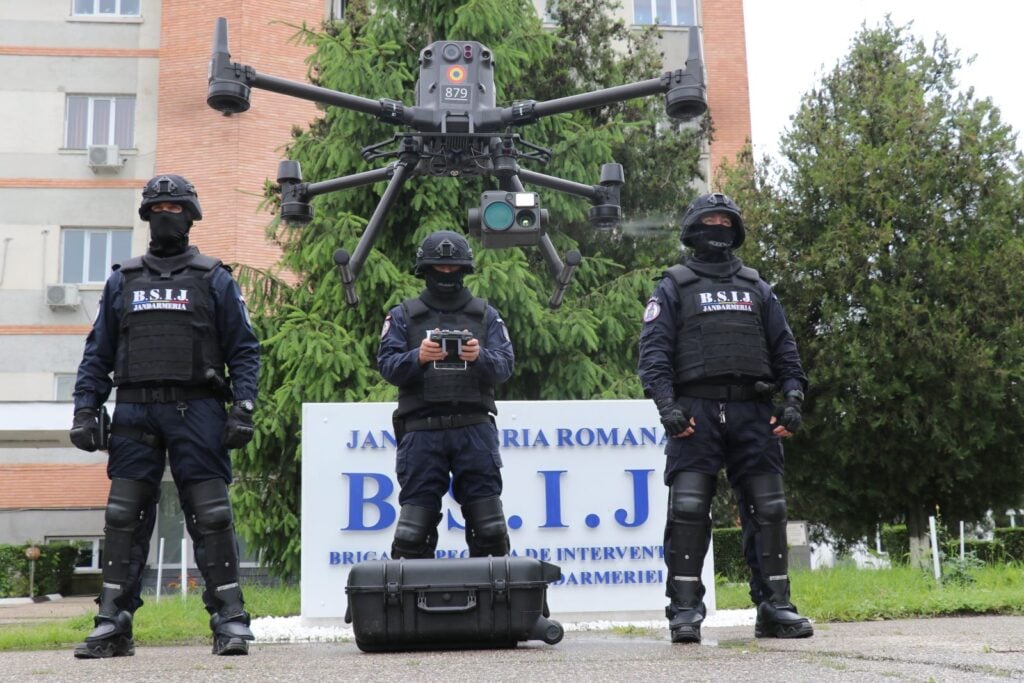
Building on this momentum, the Centre released a second study in 2025 that shifted focus from risk to opportunity. The report examined how drones can act as force multipliers in Stability Policing operations, enhancing efficiency, reducing operational risks, and lowering costs. Case studies demonstrated how police forces across NATO could benefit from integrating unmanned systems into their field operations, especially in high-risk or non-permissive environments where human presence is limited or dangerous.
The research underscored a critical shift: drones are no longer viewed as emerging tools but as essential components of modern policing. From surveillance and situational awareness to logistics and de-escalation, unmanned platforms are reshaping how law enforcement engages in complex security environments.
Preparing NATO for the Future of Security
As criminal actors increasingly adopt advanced technologies, NATO must remain agile in its approach to public order and civil security. Stability Policing is NATO’s only expeditionary policing capability, uniquely positioned to merge best practices from both the military and civilian sectors. The Centre’s research, training, and operational insight ensure that NATO can keep pace with evolving threats while maintaining human rights and rule of law at the core of its efforts.
With new technologies continuing to transform global security dynamics, the Centre remains committed to driving innovation and doctrinal adaptation. The future of policing is being shaped now and the NATO Stability Policing Centre of Excellence is ensuring the Alliance is ready.
To learn more, visit nspcoe.org.