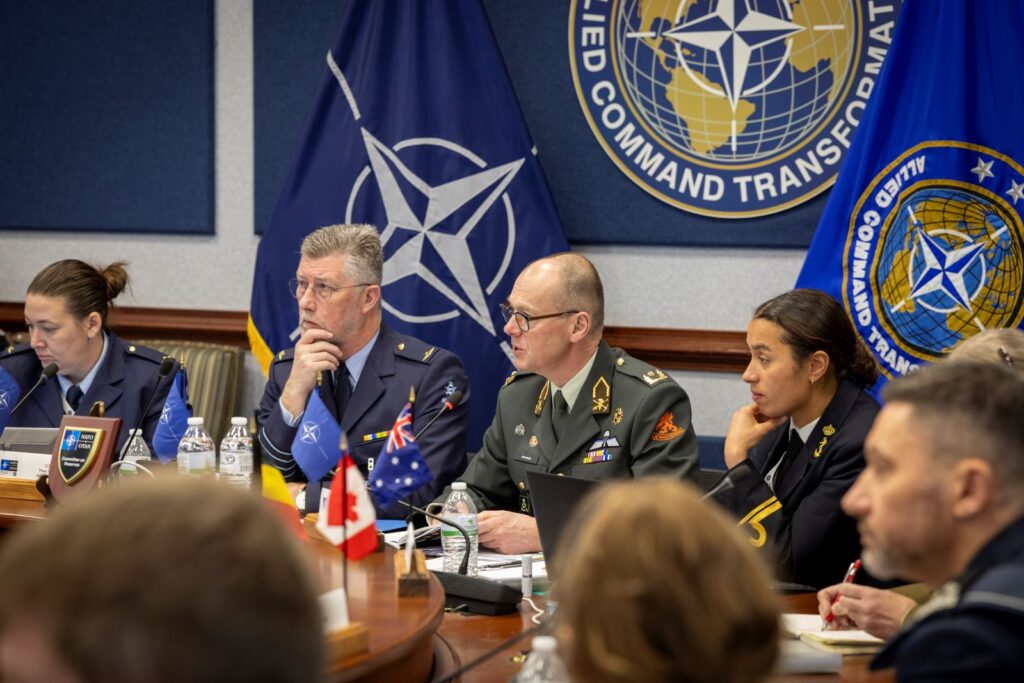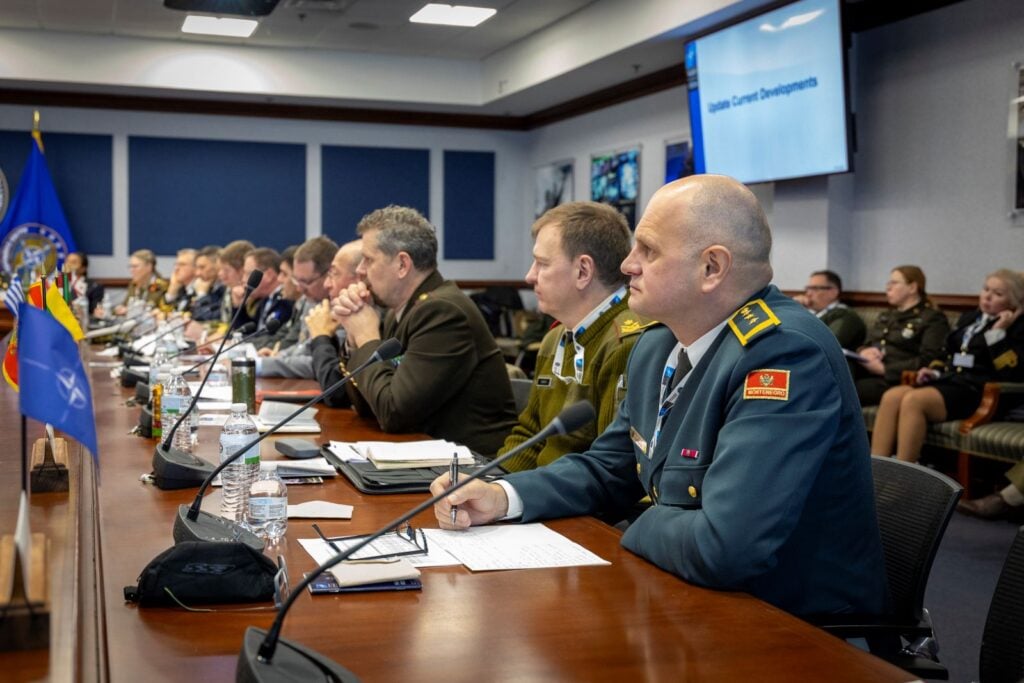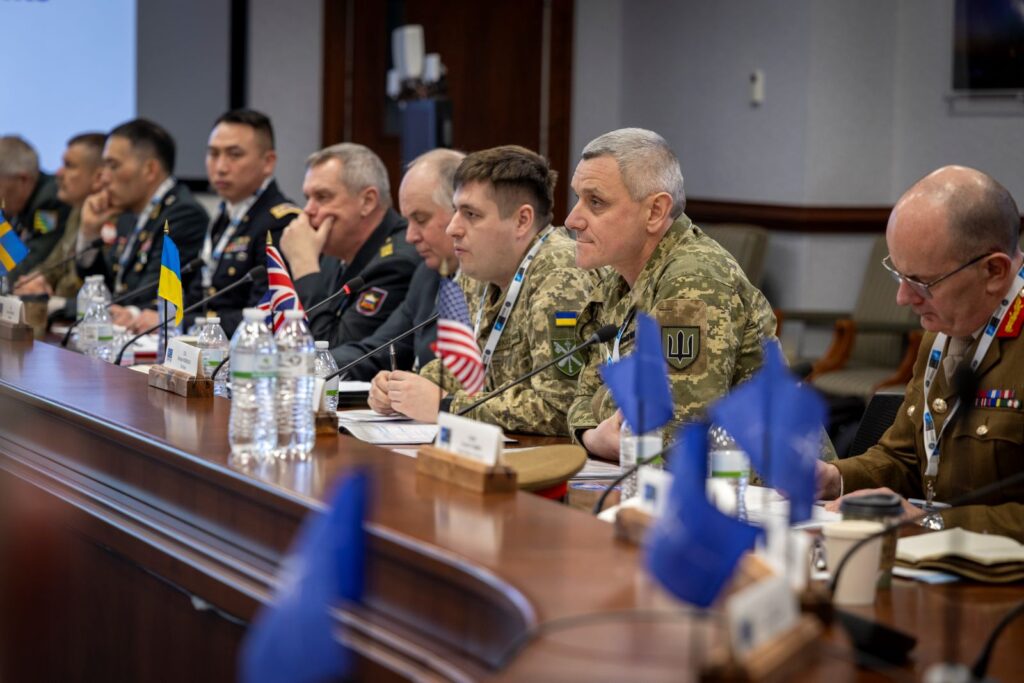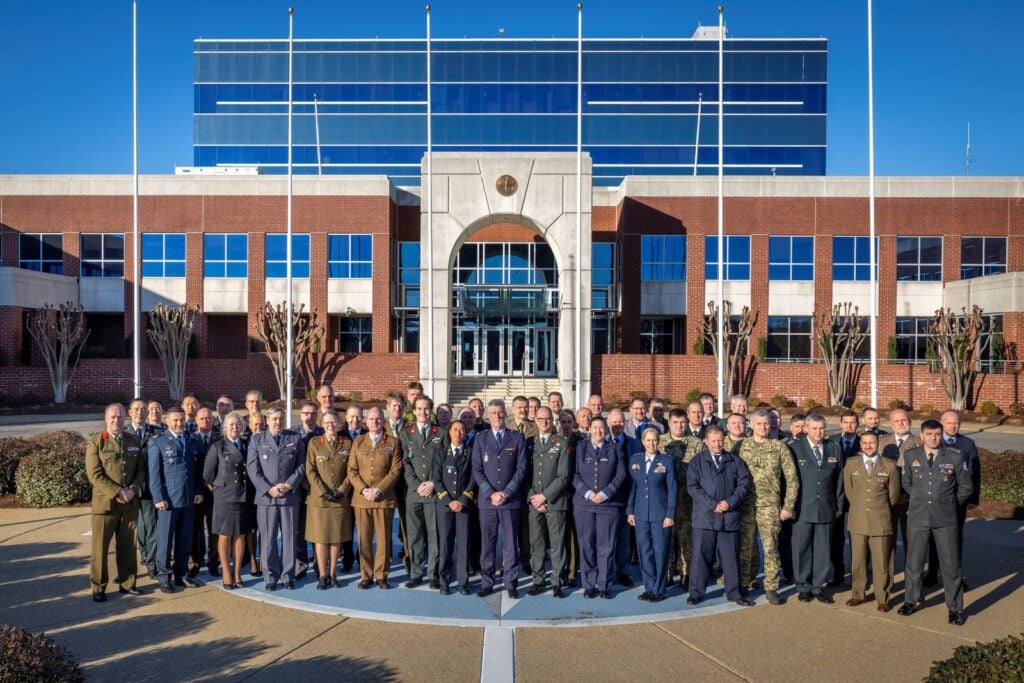
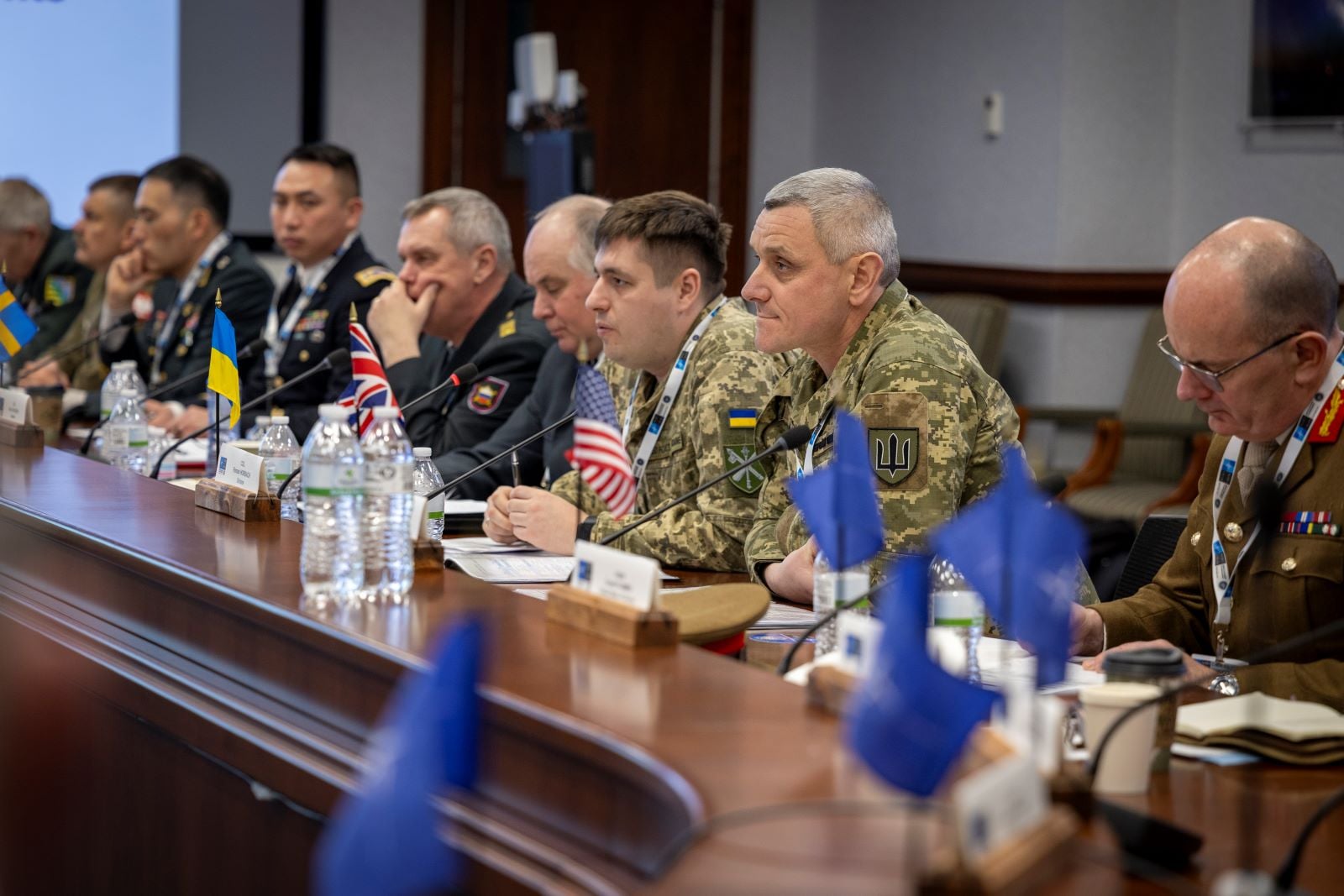
Norfolk, Virginia. This week NATO Allied Command Transformation hosted the NATO Committee on the Reserves in Norfolk, bringing together national reserve leaders and key NATO stakeholders to focus on how reserve forces can help the Alliance adapt faster and generate usable capability for deterrence and defence.
Formerly known as the National Reserve Forces Committee, the NATO Committee on the Reserves serves as the Military Committee’s standing advisory body on reserve matters. It is currently composed of national representatives from 29 NATO allies and 6 partner nations, supported by liaison officers from the International Military Staff, Allied Command Operations, and Allied Command Transformation.
Transforming for the future
This week’s programme was anchored on three practical aims:
- supporting NATO’s transformation through national reserve leaders and reservist organizations
- sharing best practices in recruiting, retention, benefits, training, mobilization, and mission employment
- strengthening professional networks among senior leaders across the Alliance
The Chair of the NATO Committee on the Reserves, Brigadier General Gilbert Overmaat, welcomed participants alongside the leaders of key reserve affiliated organizations, including Interallied Confederation of Reserve Officers (CIOR), Interallied Confederation of Medical Reserve Officers (CIOMR), and Interallied Confederation of Reserve Non-Commissioned Officers (CISOR).
ACT keynote on speed and scale
In his keynote address, Deputy Supreme Allied Commander Transformation, General Aurelio Colagrande, linked reserve readiness directly to NATO’s transformation agenda, stressing that the Alliance must be able to generate usable capability faster and in greater volume as the security environment evolves. He underscored that reserves are not only about additional capacity, but also about connecting NATO’s military objectives to the societies that enable national resilience and mobilization.
We need to move forward with speed and at scale and the Reservists can bring NATO dual credibility that is uniquely valuable to civil-military cooperation.
– General Aurelio Colagrande
Deputy Supreme Allied Commander Transformation
That dual credibility matters in practice. Reservists operate in civilian institutions every day, alongside the leaders, employers, and services that would be essential in crisis. When activated, they help translate their civilian mindset and expertise into military operations, and strengthen the civil military link that makes large scale mobilization and sustained operations possible.
Why reserves forces matter
Across the Alliance, reserve forces are a formidable and essential part of many nations’ wartime force strength. While national reserve models differ widely in structure, missions, and readiness, they share a common purpose: they are integral to NATO and national defence plans and are designed to integrate with regular forces in crisis. Reserves are no longer a capability of last resort. They are an indispensable part of credible deterrence, resilience, and the ability to mobilize at scale.
For Brigadier General Overmaat, making the Reserves effective requires more than policy alignment. It also requires a shift in how reservists are viewed and employed across NATO structures and national systems.
Treat reservists as regular soldiers, not as a separate category. With the right training, they can perform the full range of tasks. One practical step is to appoint senior reserve mentors in active duty commands, in NATO structures and nationally. They do not need to be full time, but they would ensure decisions about employing reservists are informed by people who understand reserve service.
– Brigadier General Overmaat
Chair of the NATO Committee on Reserves
That perspective underpins this week’s focus on readiness, integration, and mobilization, with sessions designed to help nations move from intent to execution.
Building a Reserve network NATO can rely on
The programme included national updates on reserve transformation, highlighting how countries are adapting policy, force generation, training, and mobilization to meet emerging requirements. These briefings helped the committee compare approaches, identify common challenges, and capture practices that can be scaled across the Alliance.
Workshops focused on five topics: recruiting, retention, and benefits; resilience; mobilization; reserve support to NATO capability development; and training reservists for future requirements.
From policy to practice
The discussion this week followed NATO’s updated reserves policy approved by the Military Committee in October 2024, which aims to strengthen how reserves contribute to NATO’s core tasks, operations, missions, and activities. In parallel, NATO continues to collaborate with the NATO Committee on the Reserves and reserve affiliated international organizations including CIOR, CIOMR, and CISOR, aligning efforts that support deterrence and defence through informed advice, training, and inter allied engagement.
By hosting the NATO Committee on the Reserves at ACT, the Alliance is reinforcing a forward-looking transformation priority: building a force that can adapt, surge, and sustain pace as the security environment changes. Reserves are central to that effort. They expand NATO’s ability to mobilize and regenerate combat power, strengthen national resilience through the civil military link, and bring specialized civilian expertise that can accelerate modernization. As NATO adapts to a more demanding security environment, reserve forces help ensure the Alliance can generate credible capability at the speed, scale, and readiness the moment requires.