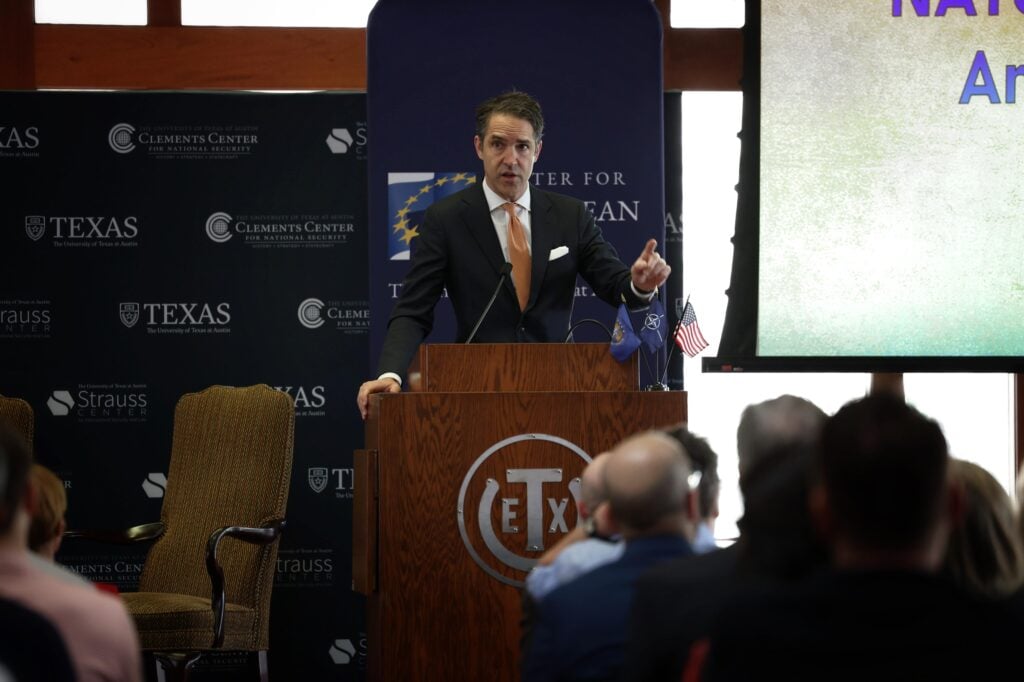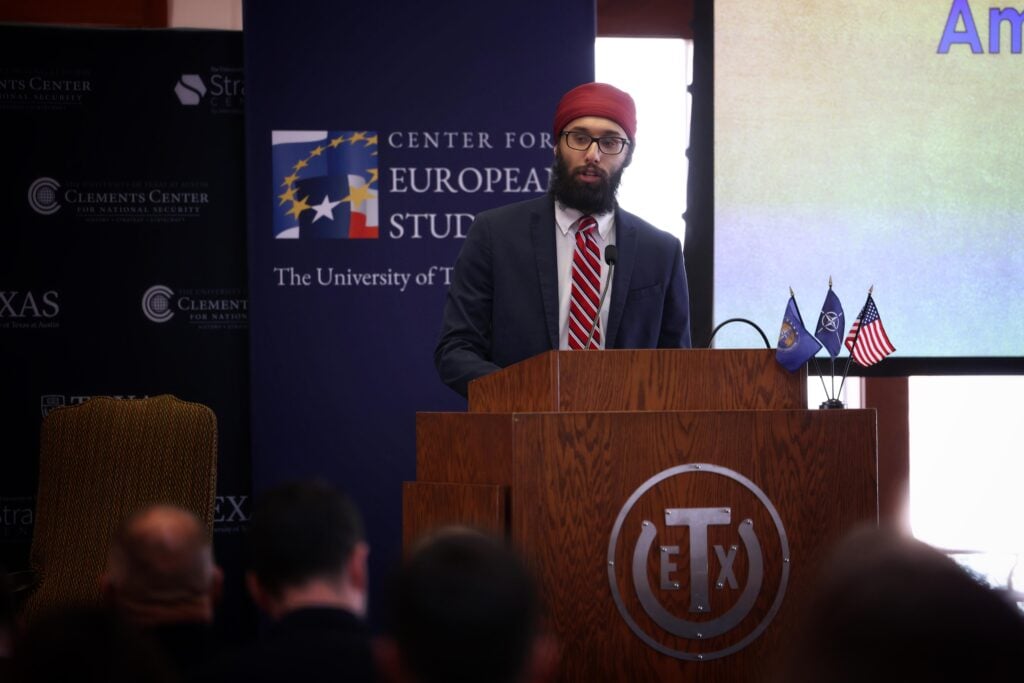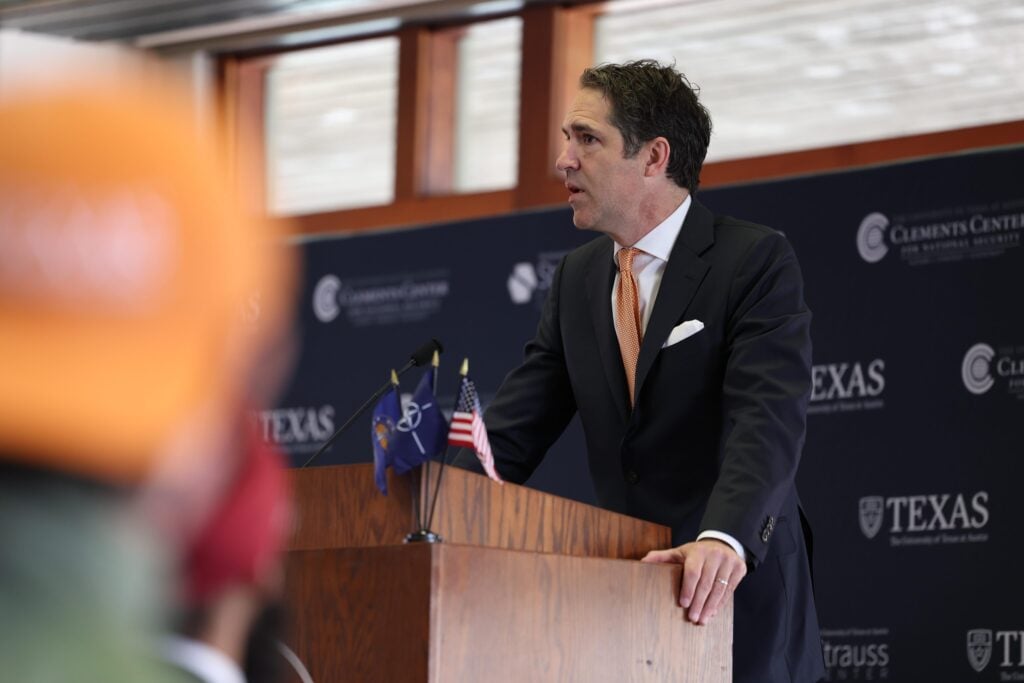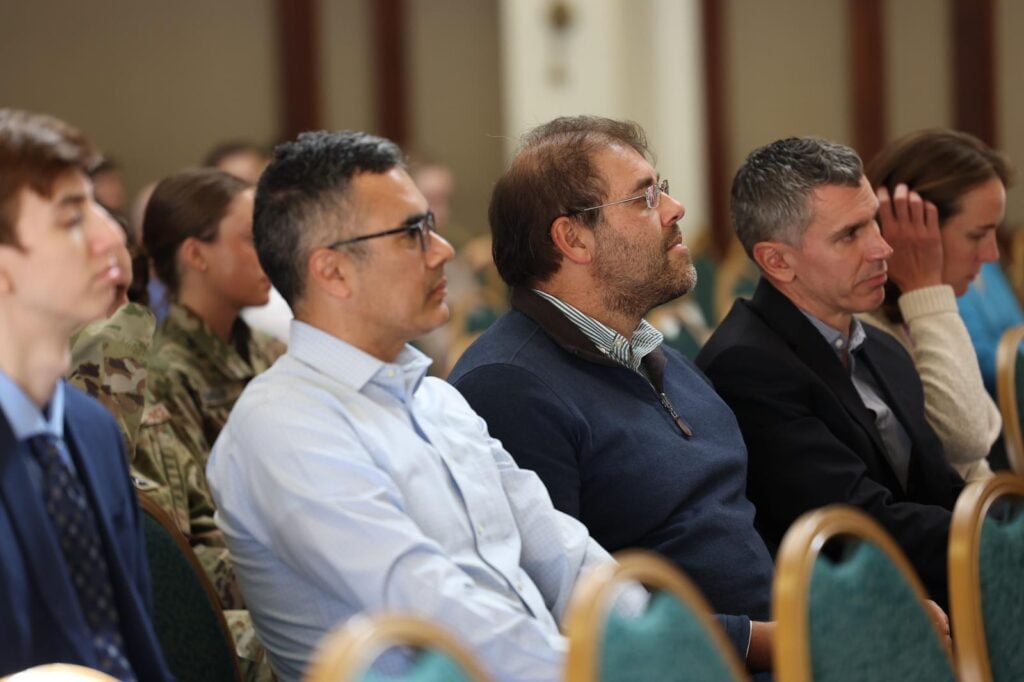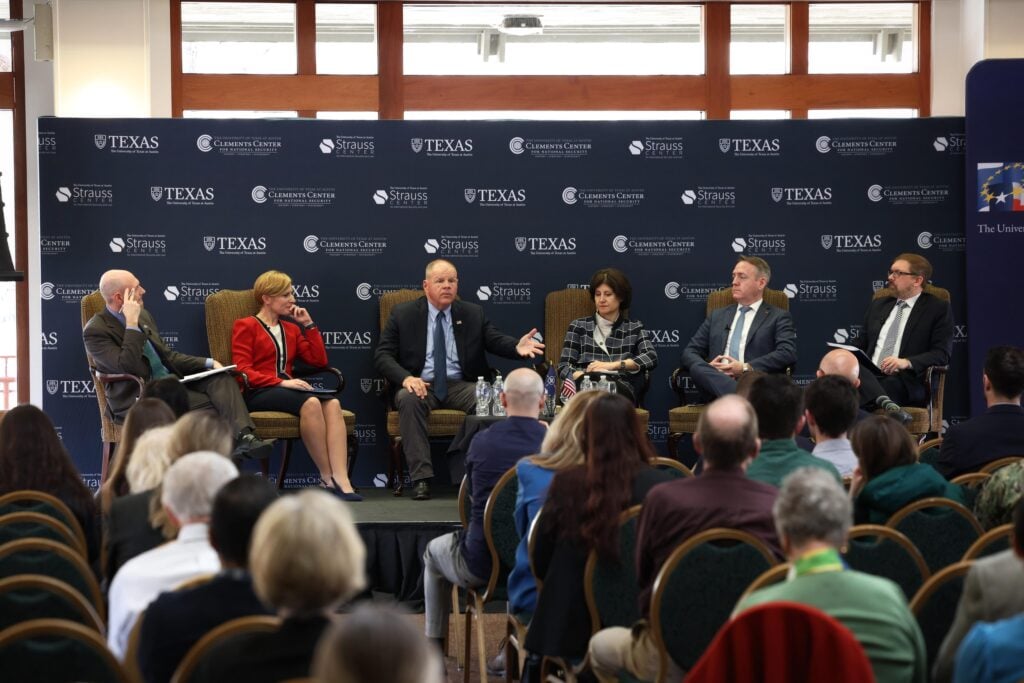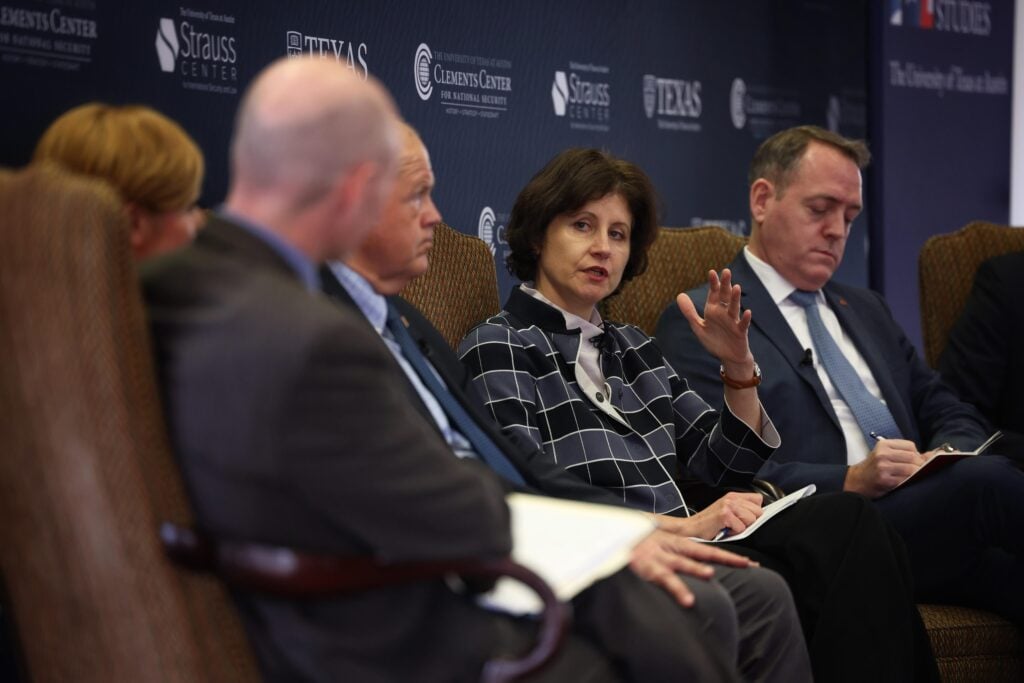

AUSTIN, Texas. On Tuesday, February 6th, 2024, a public conference of NATO officials, former policymakers, and scholars convened to engage in critical discussions about the role of the transatlantic Alliance and its enduring value for Texans.
The current global security landscape poses unprecedented challenges, marking the most volatile and contested period since the Cold War. Russia’s aggressive actions persist in Ukraine, accompanied by critically low allied weapons stockpiles. China is assertively expanding its presence worldwide, reinforcing its military stance in the Indo-Pacific and intensifying influence operations against democratic forces. Ongoing conflicts, exemplified by recent events like Hamas’ terrorist attack and Israel’s robust response, frequently dominate headlines. Additionally, mass migration and economic disruptions contribute to further destabilization globally.
The United States’ strategic alliances with international partners will play a pivotal role in shaping its security and global standing in the twenty-first century. NATO remains an indispensable alliance, especially as it approaches the historic NATO Summit scheduled for July in Washington, D.C. To address emerging challenges, NATO must maintain unity in upholding democratic values, enhance its warfighting capabilities, and develop innovative tools and mechanisms.
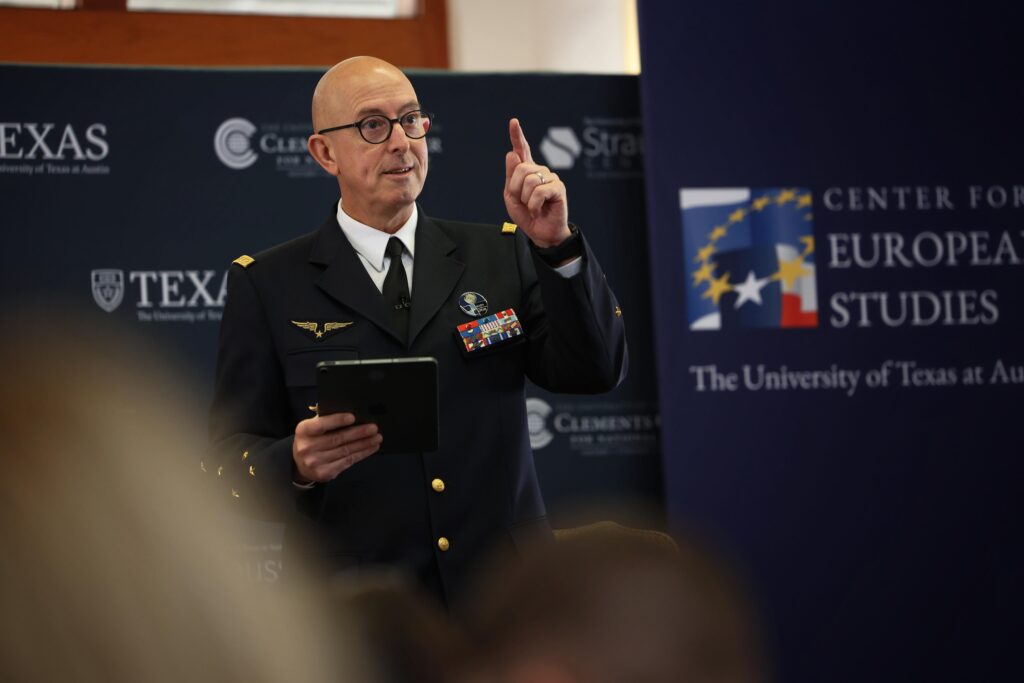
In light of these dynamics, the Atlantic Council, NATO Allied Command Transformation, the Canadian Consulate General, the University of Texas – Austin’s Center for European Studies, Strauss Center for International Security and Law, and Clements Center for National Security organized and participated in this conference which featured keynote remarks from General Philippe Lavigne, NATO’s Supreme Allied Commander Transformation, and Senator Kay Bailey Hutchison, former U.S. Ambassador to NATO.
General Lavigne posed, then answered, the following question to the audience: “Do our opponents think NATO is an asset to the United States?” He continued, “to answer that question all you need to do is consider how hard Russia and China are working to divide Allies, to undermine the Alliance!”
He then summarized his point by reminding those in attendance that “together, we [NATO] provided the umbrella that allowed nations with the same values to prosper in peace and security. Together we won the Cold War. And together, NATO Troops stood shoulder to shoulder with their American Allies in the fight against terrorism.”
Additional guest speakers included Audra Plepytė, Ambassador of the Republic of Lithuania to the United States; Marie-Doha Besancenot, Assistant Secretary General of NATO for Public Diplomacy; Kevin Rex, Former Ambassador of Canada to Eastern Europe; Chris Skaluba, Director, Transatlantic Security Initiative, Scowcroft Center for Strategy and Security, Atlantic Council; and Valbona Zeneli, Non-resident Senior Fellow, Transatlantic Security Initiative, Scowcroft Center for Strategy and Security, Atlantic Council.
Political support for NATO from across the United States, particularly from Texas, the home of the most recent US Ambassador to NATO, is crucial. Texas contributes significantly to NATO’s readiness posture in Europe through its local military units, while defence industries in the state are increasing production of military equipment. Furthermore, practitioners, scholars, and journalists in Texas are actively shaping NATO’s policy agenda.
As Allies gather to celebrate 75 years of NATO this year, the future of the world’s strongest military alliance will be a key topic of discussion for Heads of State and Government preparing for an era of unprecedented strategic competition and endemic geopolitical disruption.