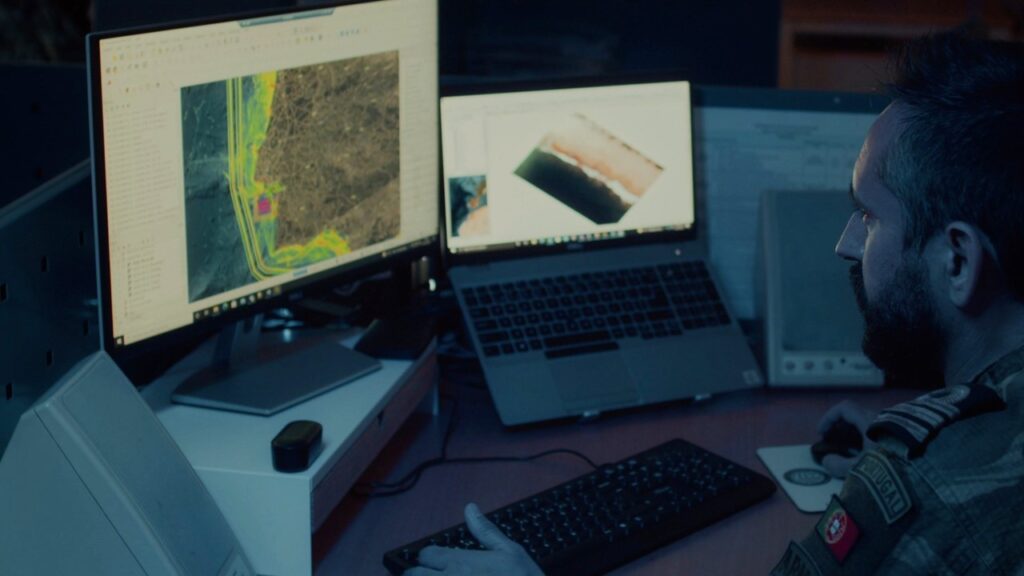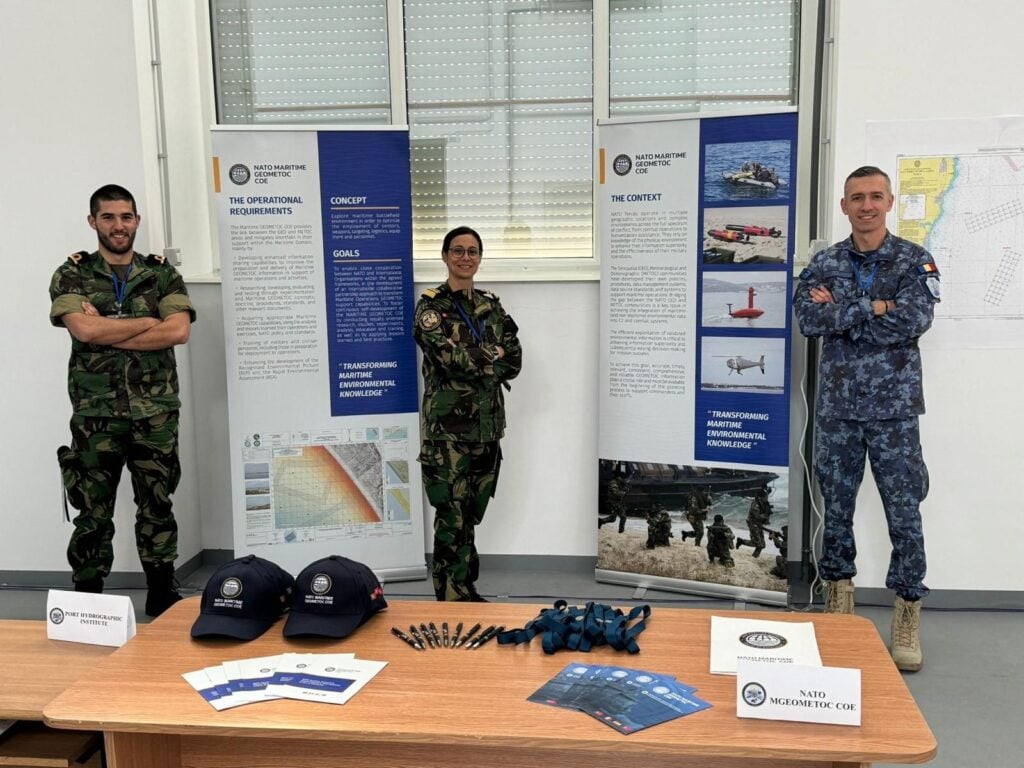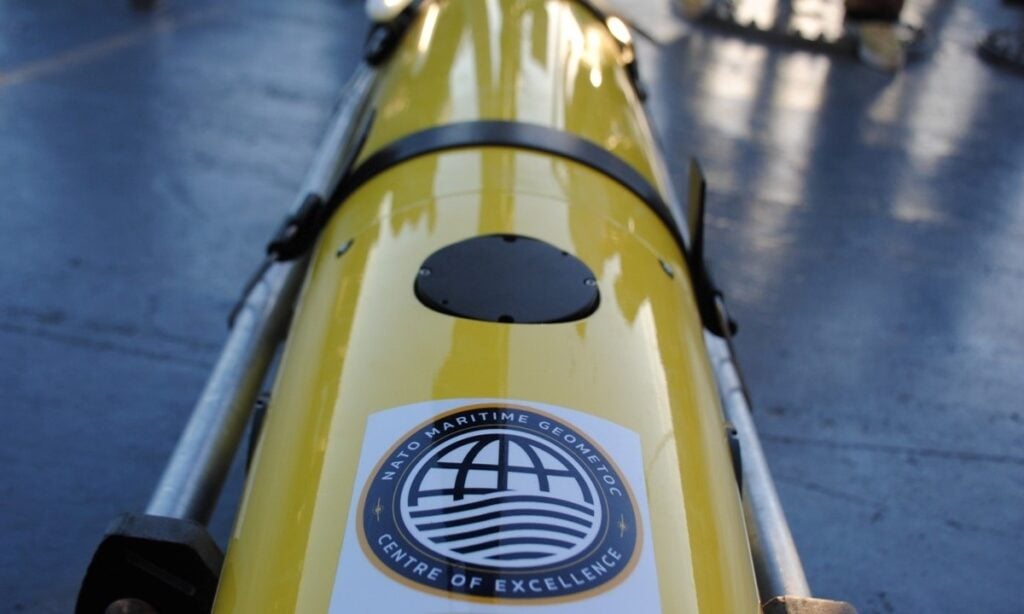
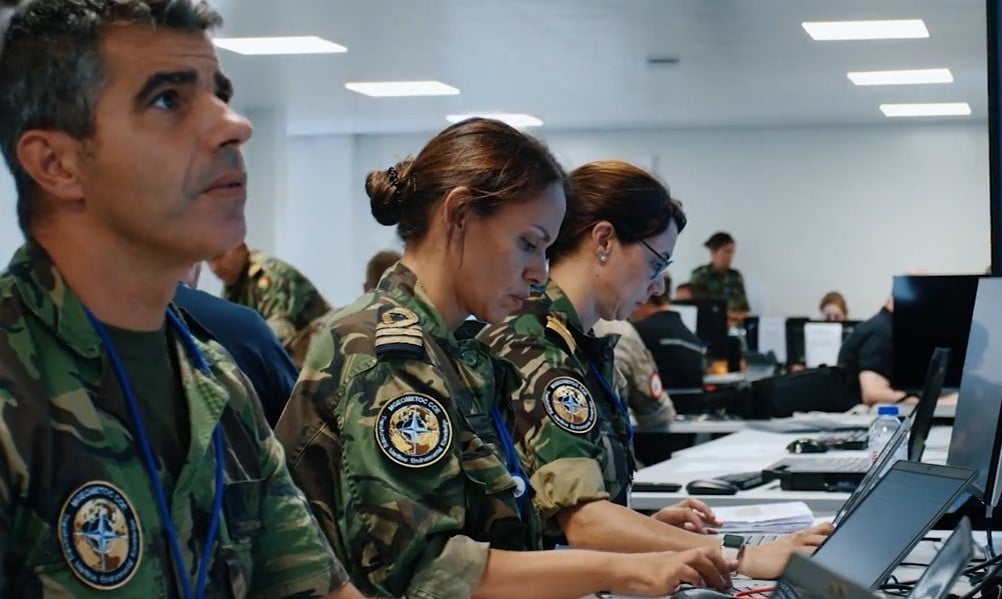
The Maritime Geospatial, Meteorological and Oceanographic Centre of Excellence enhances the Alliance’s geospatial, meteorological and oceanographic information capabilities and explores ways to optimize the use of equipment and personnel in the maritime environment.
This Centre of Excellence, located in Lisbon, Portugal, was accredited as NATO’s 28th Centre of Excellence in 2021. Sponsored by Portugal, Romania, Spain, and Türkiye, with Portugal as the framework nation, the Centre supports NATO’s transformation efforts in maritime geospatial, meteorological, and oceanographic sciences. Its goal is to enhance environmental awareness and operational effectiveness for NATO, its Allies, and Partners. The Centre aspires to become an internationally recognized hub of expertise and expand NATO’s capabilities in these fields.
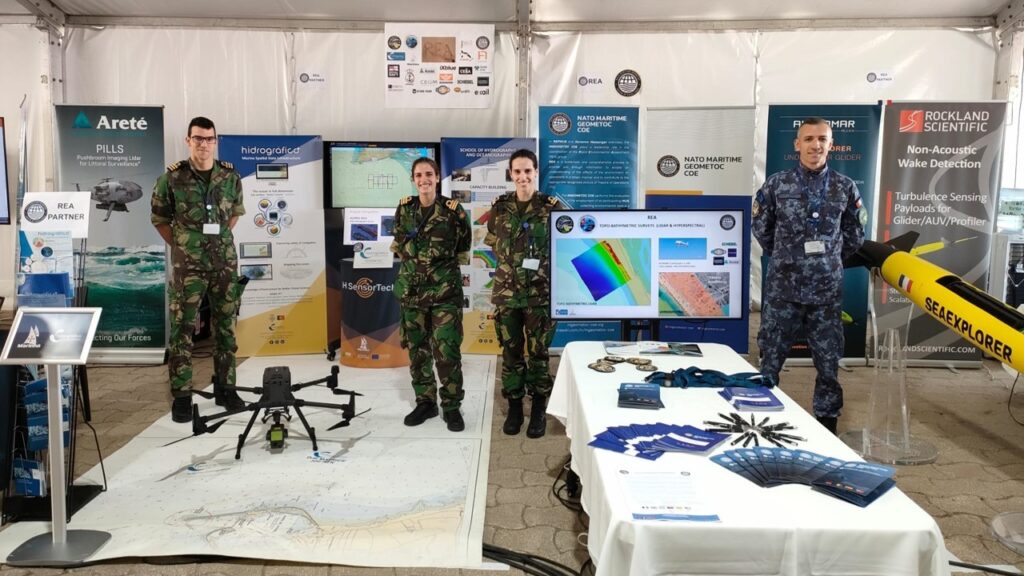
In 2024, the Centre is undertaking an ambitious Programme of Work to support the four Pillars of Transformation. It operates with a high degree of autonomy, bringing together geospatial and meteo-oceanographic competencies and expertise, and providing opportunities for concept development and experimentation. It is expanding its network of experts, particularly in industry and academia, supported by the implementation of several Diamond Projects, such as those described below.
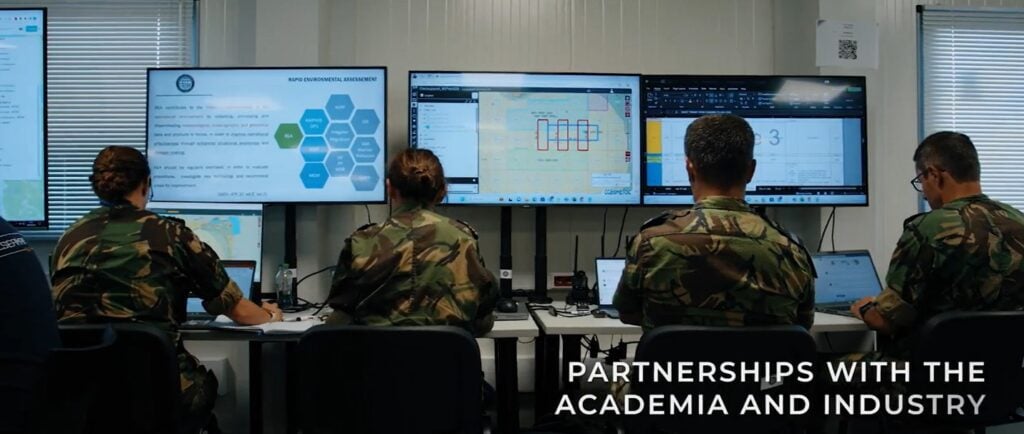
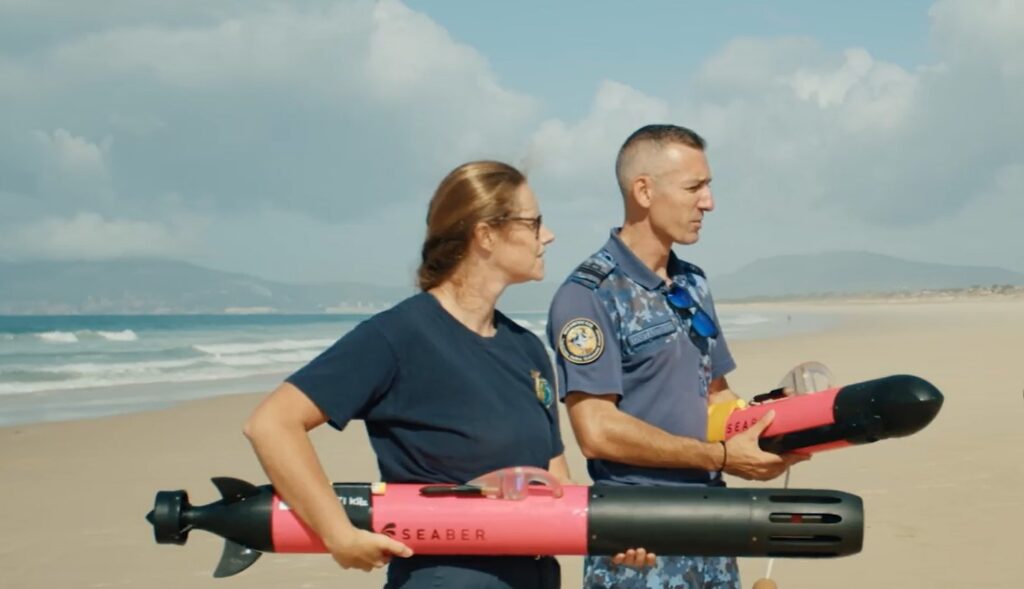
The Robotic Experimentation and Prototyping augmented by Maritime Uncrewed Systems (REPMUS) is an annual Portuguese-led large-scale experimentation exercise. It brings together operational communities, academia and industry to develop and test operational concepts, technological advances, and new progress in sensors, actuators, command, control, and communications, as well as tactics and procedures related to Maritime Uncrewed Systems. The COE supports the exercise by coordinating the Rapid Environmental Assessment Warfare Group and assisting academic and industry partners in developing new Maritime Uncrewed Systems to conduct military environmental assessments.
As custodian of the ATP-32 publication, the Centre is updating it to become two important documents. One part will become a standalone Rapid Environmental Assessment procedures publication, while the other will provide instructions for military oceanography support. A team of experts will work on both guides to finish them at the same time. Until then, the current ATP-32 will still be used.
The COE is involved in the Federated Mission Networking long-term project and participates in the Geospatial, Meteorology, Oceanography and Space Weather working groups, and leads and coordinates the Meteorology and Oceanography Focus Area drafting team. Federated Mission Networking provides a NATO process and framework for nations to adopt interoperability standards and develop their capabilities according to a common plan synchronized in time. In 2024, the aims to become actively involved in Coalition Warrior Interoperability Exercise, validating systems against FMN requirements.
Last year, the Maritime Geospatial, Meteorological and Oceanographic Centre of Excellence participated as an observer in the NATO Coalition Warrior Interoperability Exercise, integrated into the Portuguese delegation. In 2024, the Centre participated with its own capability focused on exploring a catalogue web service that will be able to federate all the other catalogues that nations brought to the exercise to share their Geospatial, Meteorological and Oceanographic information. The Centre also assessed the alignment of each national capability (participating in the GEOMETOC Focus Area) with the respective roadmaps. In the near future, the Centre plans to lead the GEOMETOC Focus Area during this exercise.
In 2024, the COE will also participate in the DACIA/TOMIS exercise, an operational experimentation exercise hosted by the Romanian Naval Forces in Constanta/Mangalia and the western part of the Black Sea, which aims to provide high-end training across the full spectrum of naval warfare, with a focus on mine warfare and Rapid Environmental Assessments. The Centre will support the Romanian Navy in the coordination of Rapid Environmental Assessments Warfare Group and Plan, as well as Command and Control of the exercise series and technology assessment.
Through these and other initiatives, such as lecturing at the NATO School in Oberammergau for the NATO Geospatial and METOC Orientation Courses, the Maritime Geospatial, Meteorological and Oceanographic Centre of Excellence continues to play a crucial role in enhancing NATO’s maritime operational capabilities to ensure effective and efficient mission outcomes in complex and dynamic environments.