
RIGA, Latvia. This week NATO concluded its largest research and testing event for new defence technologies to date, the Digital Backbone Experiment known as DiBaX. Activities ran at the Ādaži Military Base and virtually across several Allied nations.
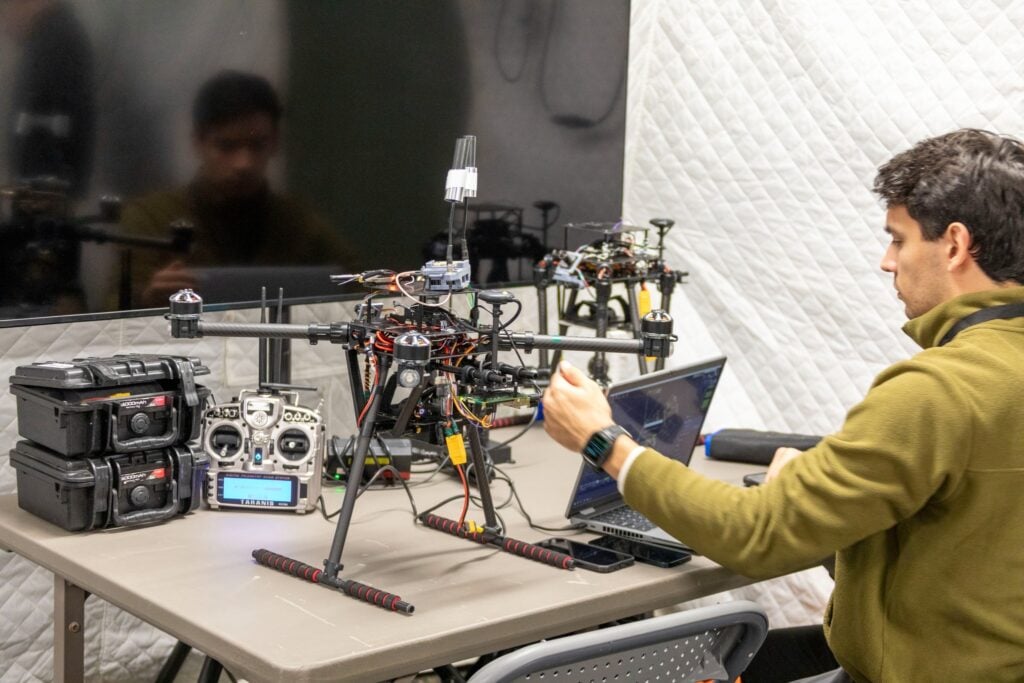
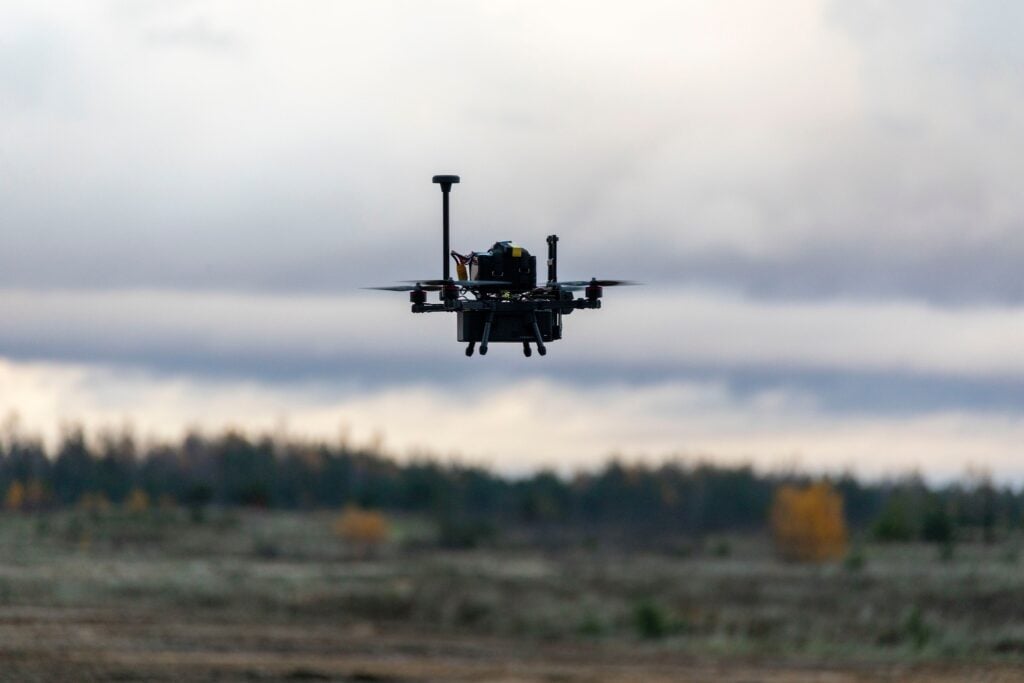
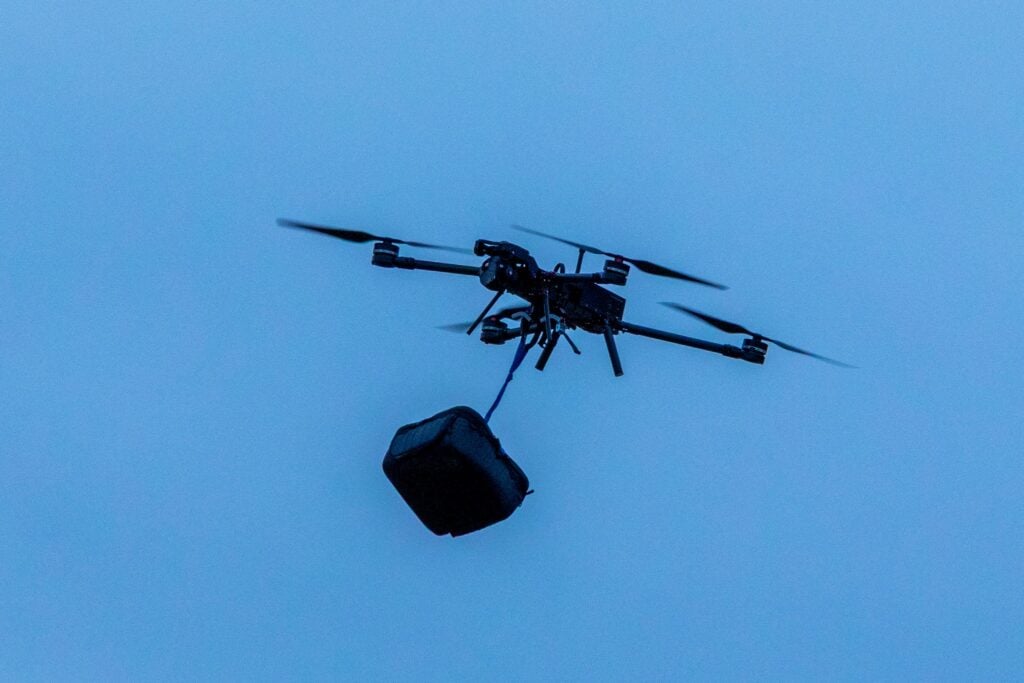
This year placed special attention on uncrewed systems and counter-uncrewed aerial vehicle scenarios operating in complex environments. Teams also explored the use of artificial intelligence for target identification and for improving situational awareness.
Purpose and Vision
DiBaX is a pioneering NATO effort designed to improve interoperability across domains through advanced communications. The experiment advances the Alliance’s digital backbone using fifth generation cellular networks and satellite links.
The project also reflects a wider commitment to sustainable defence. Work strands aligned with NATO’s Operational Energy Concept, with industry and nations collaborating to identify solutions that reduce energy burden while improving military effect.
Communications Technologies in Focus
Next Generation Communications Networks are reshaping how Allied forces connect and fight. As the world moves to fifth generation mobile standards, Allied Command Transformation is developing capabilities that contribute to the NATO’s Military Instrument of Power.
Low Earth orbit satellite services are another major line of effort. These systems influence global defence and security through resilient coverage, higher bandwidth, and reduced latency compared to many legacy platforms.
Core Objectives
One central aim was to improve secure and reliable communications between units in the field and their command centres. Teams tested how advanced cellular networks and satellite services can harden connectivity and reduce decision time.
Another goal involved true “plug and fight” interoperability. The aim is for forces from different Allies to share data and coordinate actions in near real time, even under stress and in contested conditions.
Participants and Host Nation Role
The 2025 iteration brought together more than three hundred technical participants. NATO’s newest centre, the Joint Analysis, Training and Education Centre known as JATEC, took part with four Ukrainian officers, including the Head of the Armed Forces of Ukraine Department of Innovation.
Operational feedback came from a NATO Multinational Brigade and National Armed Forces and from the Latvian State Centre for Defence Logistics and Procurement, Autonomous Systems Competence Centre. Their insights helped shape practical adoption paths for promising technologies and processes.
Cross Border Flight Trials
A headline event was a cross-border flight by uncrewed aerial vehicles between Estonia and Latvia. The Latvian Autonomous Systems Competence Centre monitored the activity.
The trial examined permissions, airspace management, and data sharing across national boundaries. It also stress tested command and control handovers during live operations.
ISR Reinforcement Scenario
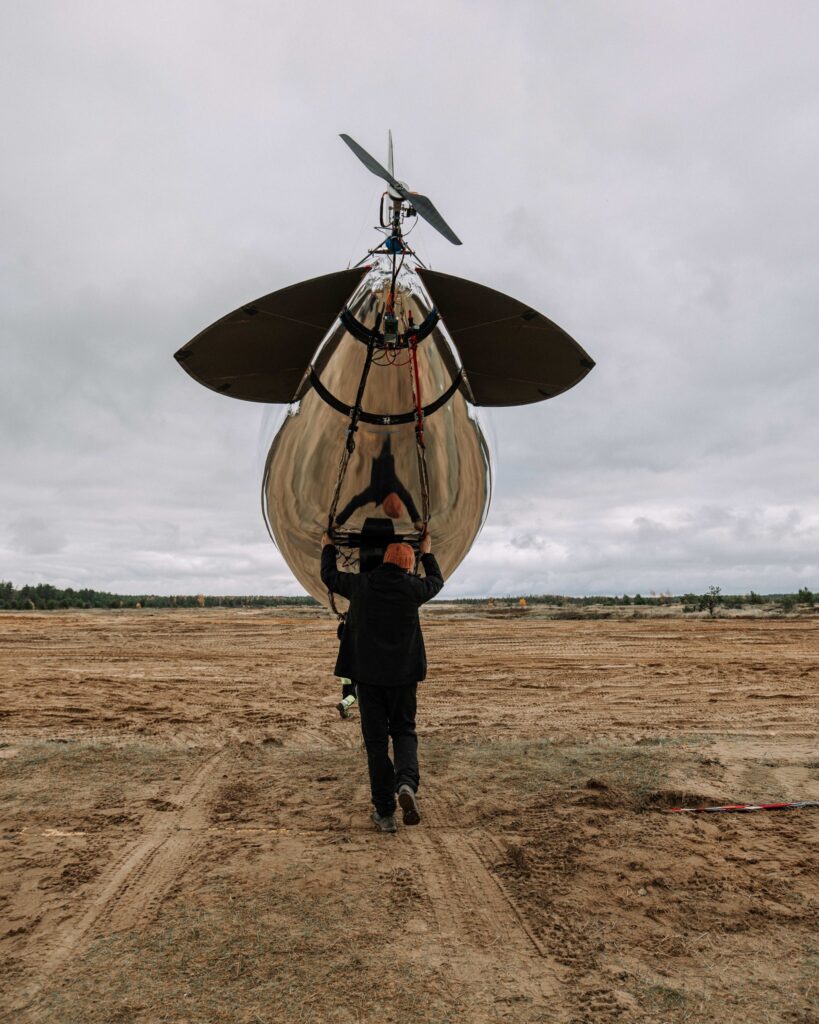
Another experiment paired a civilian airship with a Latvian National Armed Forces long range drone. The mission simulated reinforcement of intelligence, surveillance, and reconnaissance from one Baltic state to another.
The team assessed endurance, payload tradeoffs, and the value of persistent sensors. They also evaluated how quickly commanders could exploit collected data during time sensitive tasks.
Rapid Experimentation Cycle
Coordinating these flights produced valuable lessons for operators and mission commanders alike. The team documented technical, regulatory, and procedural insights that will inform future tasking and training.
A tight series of trials compressed typical research and development cycles. Work that might take months under normal conditions progressed in a matter of weeks, accelerating learning and reducing risk.
Telementoring and On Vehicle Networks
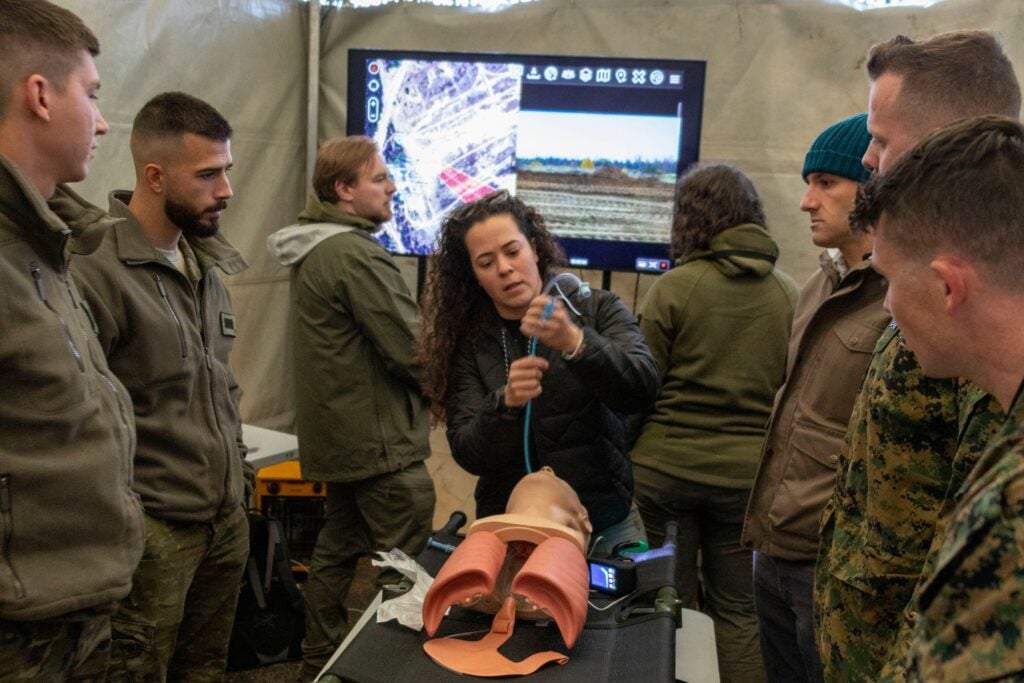
British and American medical personnel executed a medical telementoring experiment. The activity assessed remote guidance for trauma care and clinical decision support under expeditionary conditions.
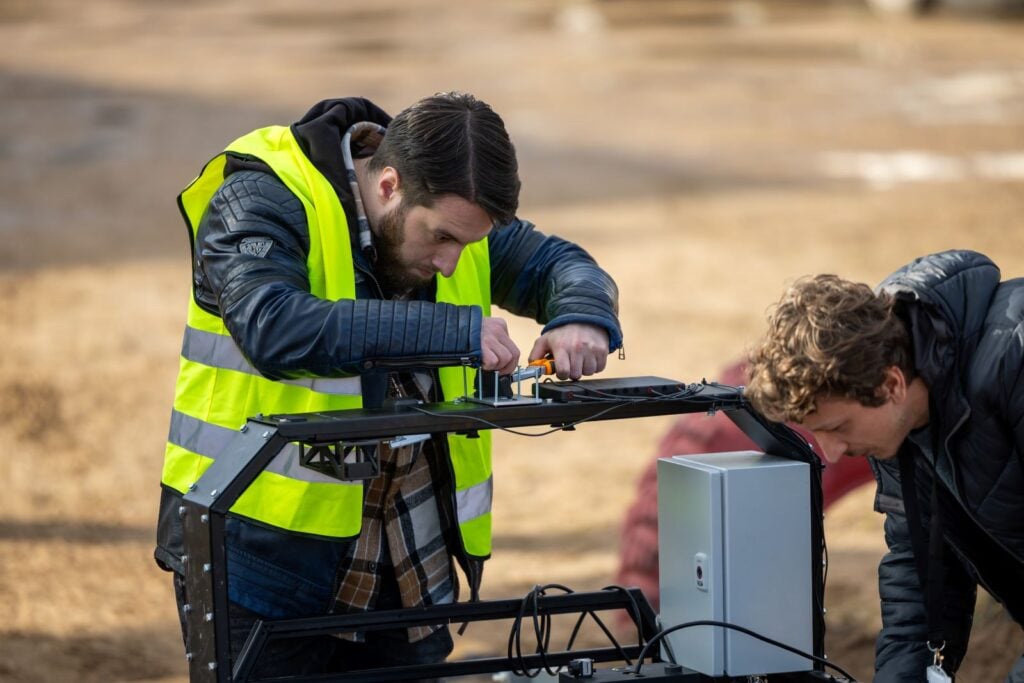
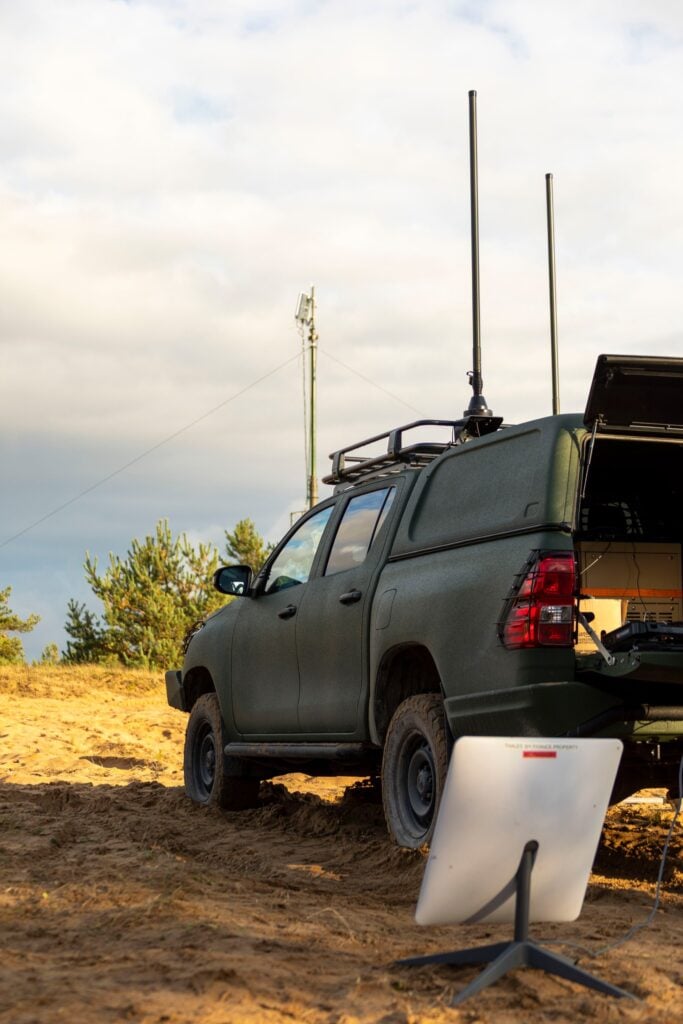
For the first time at DiBaX, commercially available militarized fifth generation kits were installed on military vehicles to support the trials. Since these systems are usually designed for civilian use, the team validated adaptations for contested and austere environments.
Leader Perspectives
“NATO’s Allied Command Transformation ensures the implementation of new digital solutions in NATO procedures and operations. The command conducts capability development, conceptual, and operational experiments to accelerate the deployment and implementation of NATO’s ‘digital backbone’ across various NATO structures,” said Vice Admiral Jeffrey Hughes, Deputy Chief of Staff for Capability Development at NATO’s Allied Command Transformation.
The Latvian Minister of Defence, Andris Sprūds, added: “DiBaX is the only military technology experiment of this scale that NATO has been conducting in Latvia for four years. It demonstrates the development of our defence industry in the field of 5G technologies, the National Armed Forces’ contribution to innovation, and Latvia’s defense infrastructure’s ability to host high-level experiments.”
“DiBaX is not just a technology experiment — it’s proof that Latvia can lead NATO’s digital transformation process. LMT has been the technology integrator for this experiment for four years, and each year we see rapid growth — more participating countries, more complex tasks, and higher technical standards. It’s especially significant that Latvian defense industry companies are increasingly involved, creating solutions tailored for future battlefields. This public-private sector collaboration, combined with modern technological capabilities, allows us to achieve incredible progress for our national defence,” said Latvian Mobile Telephone (LMT) President Dr. Juris Binde.
“DiBaX this year achieved bringing emerging and disruptive technologies to military forces in field like setting. The effect is providing feedback to industry to improve products and provide confidence of the effectiveness of technologies to enhance military missions such as counter-unmanned systems. The participants this year achieved many successes and worked hard to overcome challenges through collaborative work across industry participants. The event continues to grow in operational relevance and keep pace with the changing threat and technological environment.” Said Warren Low, Director of DiBaX.
Digital Backbone for Multi Domain Operations
Digital infrastructure underpins NATO’s Multi-Domain Operations across maritime, land, air, space, and cyberspace. Reliable connectivity stitches together complex force structures and empowers faster, better decisions.
During DiBaX, teams demonstrated and evaluated the latest innovations under realistic conditions. This approach helps Allies integrate technology that enhances interoperability and operational effectiveness.
Organizers and Industry Partners
DiBaX is organized through close cooperation among Allied Command Transformation, the Latvian Ministry of Defence, and the Latvian National Armed Forces. LMT serves as the experiment integrator and provides an advanced fifth generation testing environment.
This partnership model brings together operators, technologists, and decision makers. The result is faster learning, stronger interoperability, and a clearer path from experimental success to Allied advantage.