Expanding NATO’s Crisis Response Capability
In 2025, the Crisis Management and Disaster Response Centre of Excellence expanded its activities in support of NATO’s resilience and preparedness objectives. From its base in Sofia, Bulgaria, the Centre provided training, encouraged multinational engagement, and explored new approaches to crisis management and disaster response.
Since receiving NATO accreditation, the Centre has adopted a forward-looking approach to education, doctrine development, and the exchange of best practices. Its growing influence is reflected in two recent milestones: appointment as Department Head for the Business Continuity Management discipline in 2023 and for the Information and Knowledge Management discipline in 2025. In these roles, the Centre coordinates doctrine standardization, curriculum development, and training synchronization across NATO, supporting cohesive planning and execution of continuity operations which are essential to maintaining critical functions during crises.
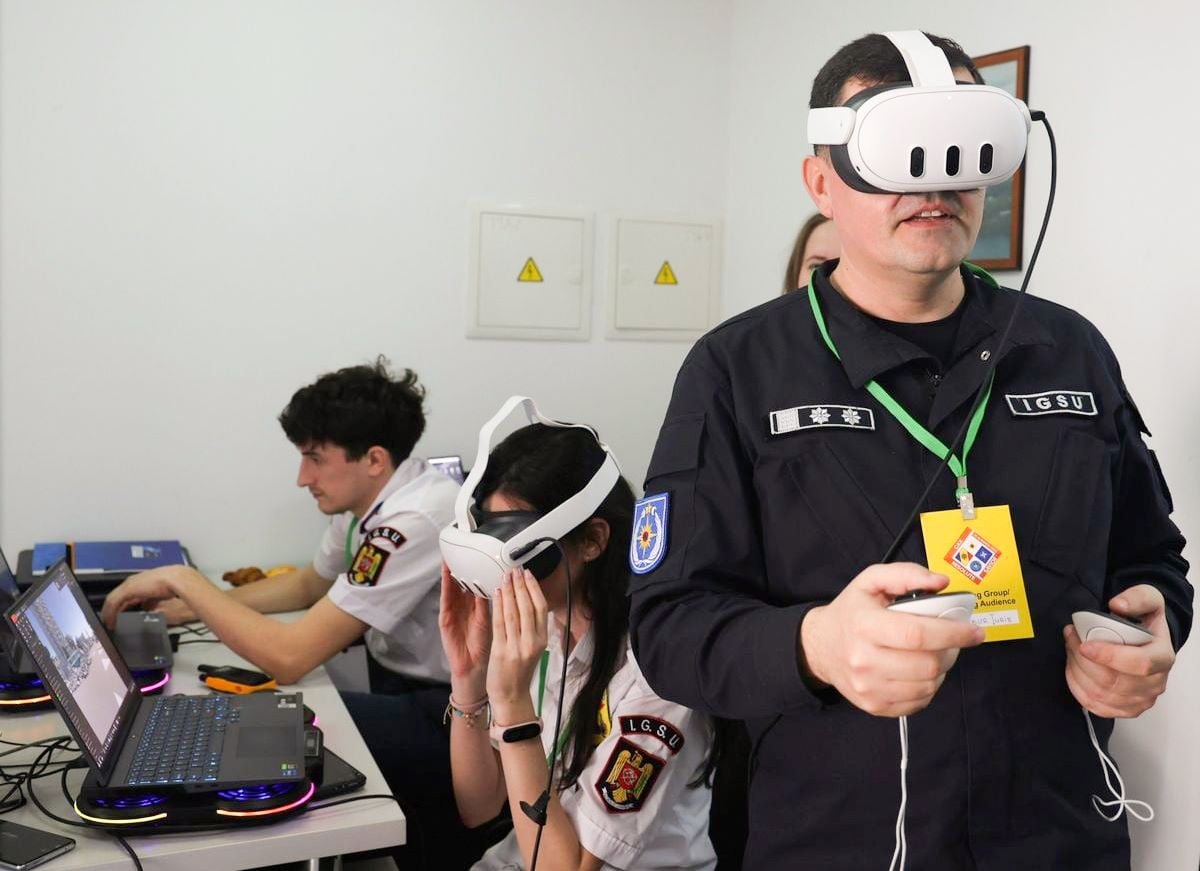
In addition to its regular course offerings in Bulgaria, the Centre expanded its footprint through mobile training teams deployed to partner nations across three continents. This approach enhances interoperability and extends NATO-aligned training to a wider range of stakeholders.
Training, Exercises, and Strategic Engagements
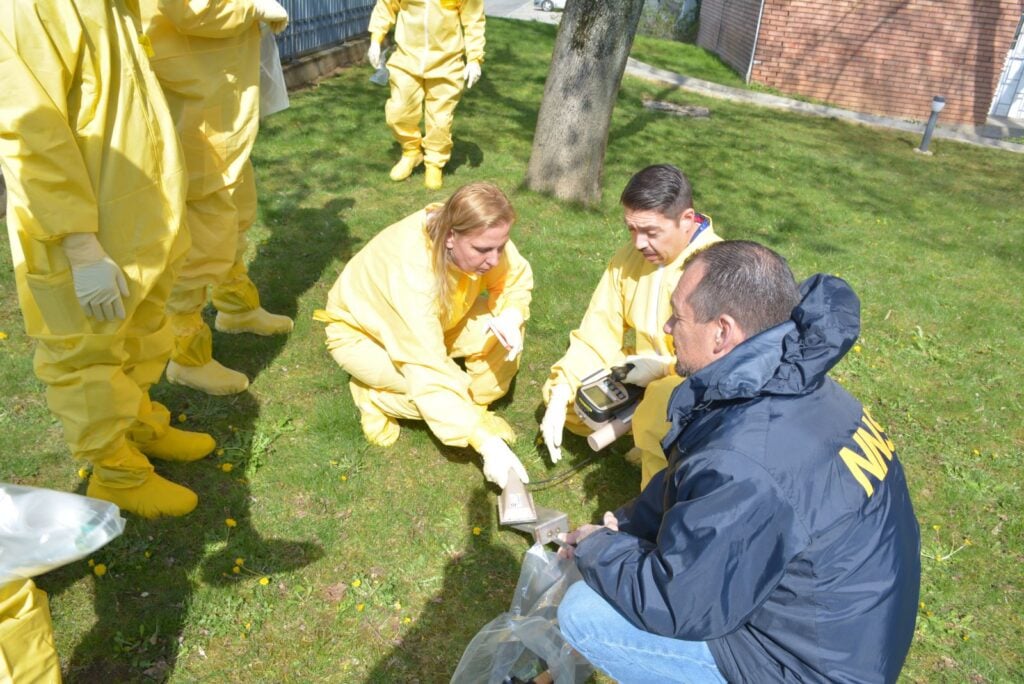
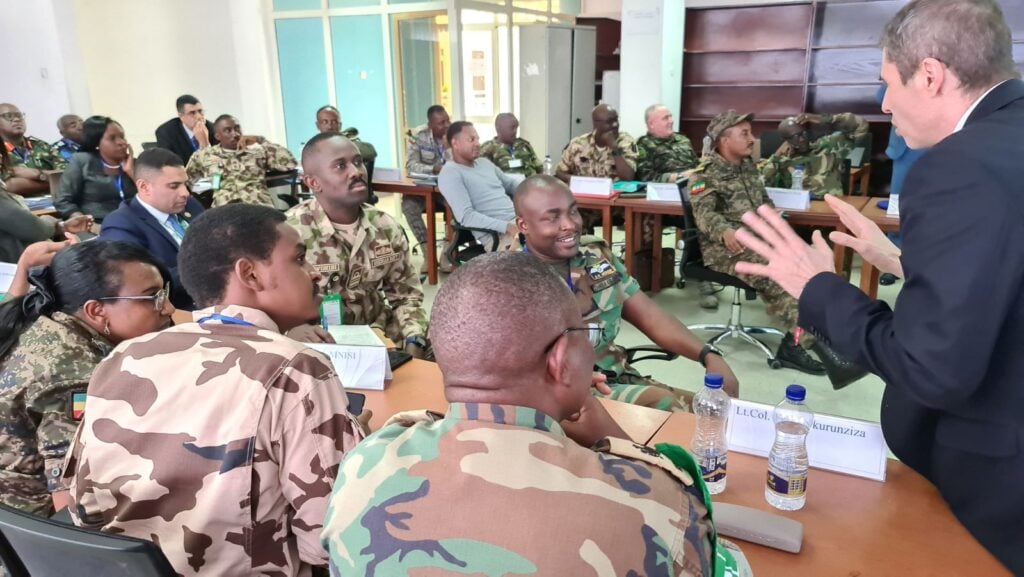
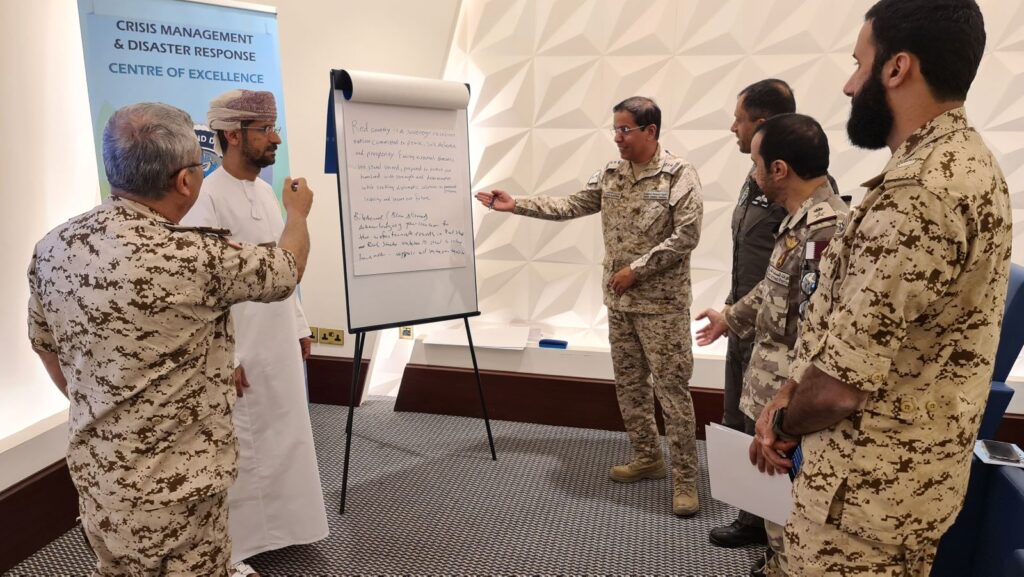
Throughout 2025, the Centre remained actively engaged across NATO’s operational sphere. In March, it delivered a crisis management module at the Baltic Defence College in Estonia and led Exercise Resolute Savior 2025 in Moldova, a comprehensive simulation focused on national flood response and interagency coordination. Also in March, the Centre conducted a strategic operations planning course in Addis Ababa, Ethiopia, at the request of the African Union, aimed at strengthening peacekeeping planning among 25 participants. In May, it led a NATO-aligned crisis management course in Kuwait City, enhancing civil-military coordination in disaster scenarios.
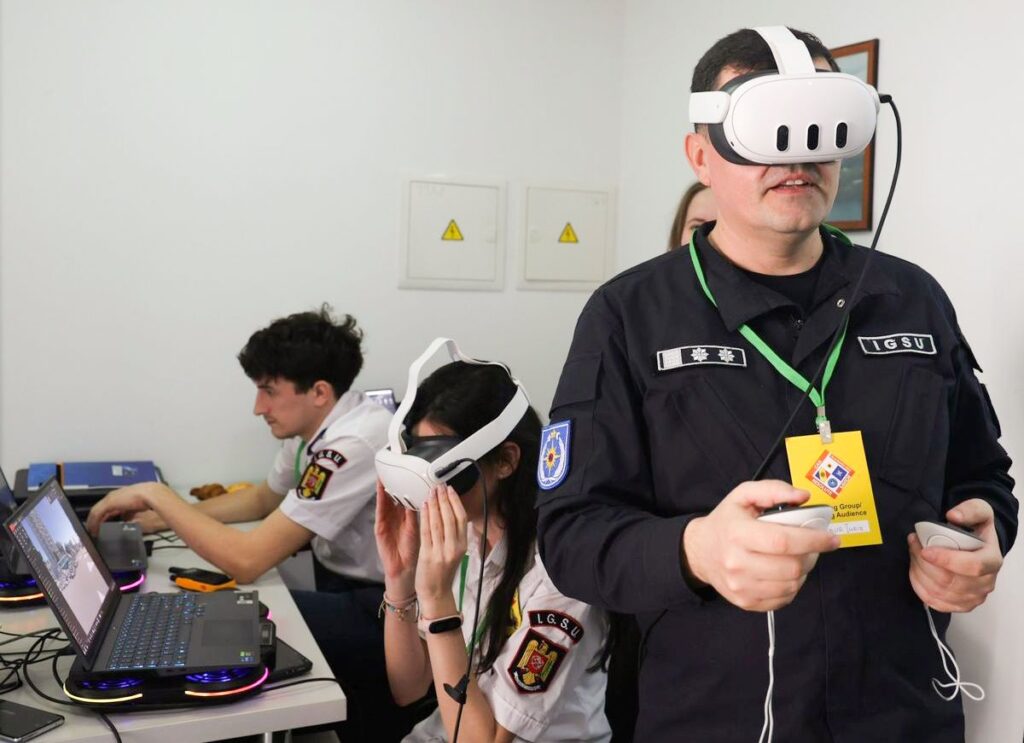
The Centre also played a key role in NATO’s Defence Capacity Building project in Jordan, conducting four events to improve the modelling and simulation capabilities of the National Centre for Security and Crisis Management.
Driving Resilience Through Innovation and Foresight
In support of NATO’s Layered Resilience initiative, the Centre participated in multiple thematic working groups and will host the concept validation event in Sofia in September, alongside Allied Command Transformation and key stakeholders. That same month, the Centre will co-organize the 20th NATO Emergency Management Exercise with the Euro-Atlantic Disaster Response Coordination Centre and Bulgaria’s Ministry of Interior. This milestone exercise will bring together Allied and partner responders to test multinational coordination during complex emergencies.
The Centre also launched a new course on the cognitive dimension of modern conflict, exploring how perception, decision-making, and information are targeted in hybrid threat environments.
Looking ahead, the Centre will co-host an expert workshop in Bosnia and Herzegovina in October and contribute to the Regional Endeavour exercise in Morocco in November, strengthening partnerships and reinforcing cooperation with allied and partner nations.
A Cornerstone of NATO’s Resilience Strategy
Innovation remains central to the Centre’s mission. Ongoing projects span dual-use technologies and practical tools for crisis response, including efforts to model the impacts of space weather and to develop NATO standards such as the disaster simulation module and resilience frameworks. These initiatives exemplify how academic research and real-world application can converge to support Alliance-wide readiness.
Through sustained leadership, technical expertise, and a commitment to collaboration, the Crisis Management and Disaster Response Centre of Excellence continues to serve as a cornerstone of NATO’s resilience architecture—preparing nations to meet future crises with agility, insight, and unity.
You can learn more about the Centre’s activities on their website and their Facebook page.