A Comprehensive Response to a Lasting Threat
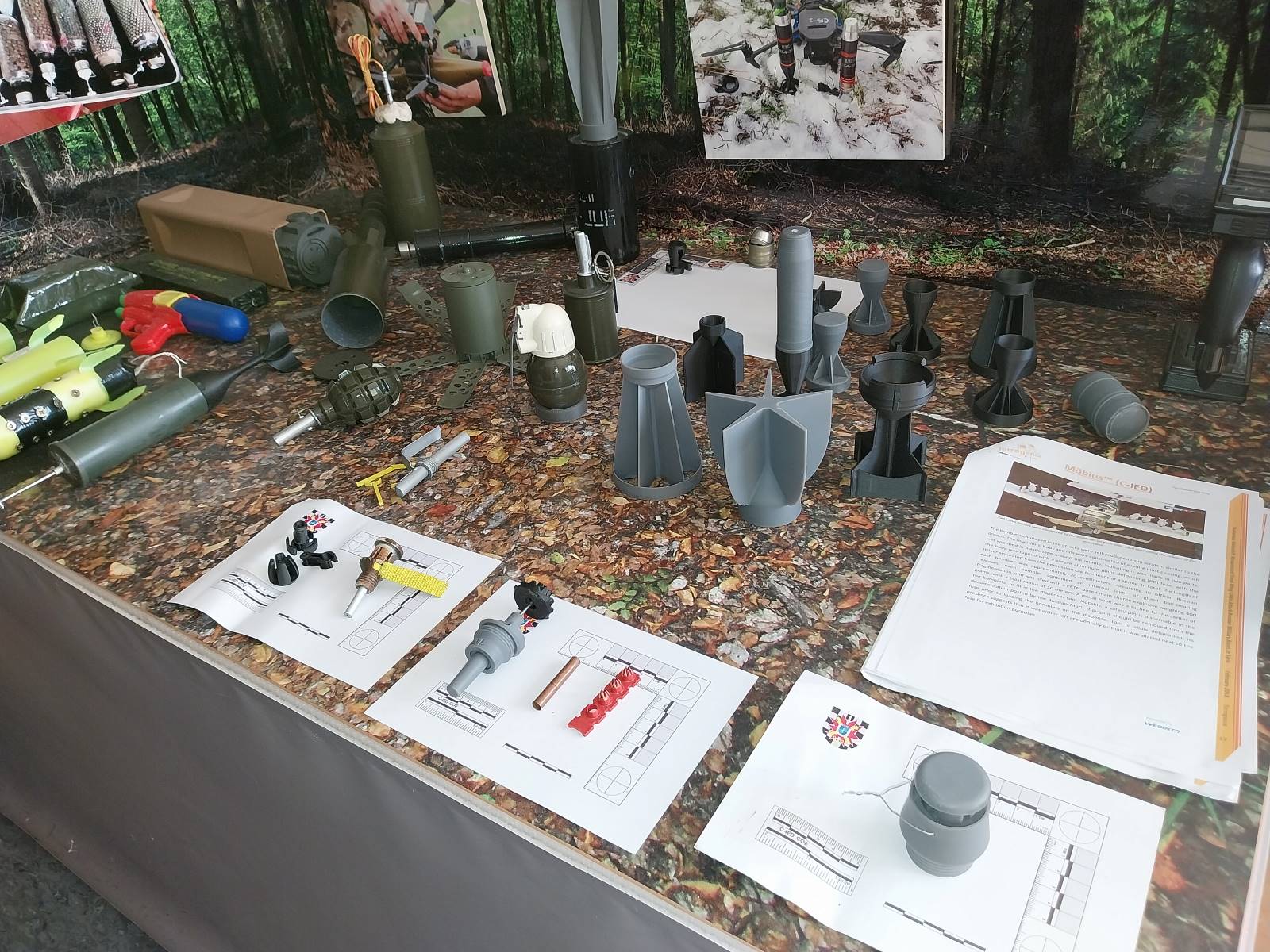
Improvised Explosive Devices (IEDs) remain one of the most adaptable and enduring threats to global security. Despite some perceptions that the danger has diminished, the operational reality tells a different story: IEDs continue to cause casualties, disrupt stability, and challenge both conventional and irregular forces.
The NATO-accredited Counter-Improvised Explosive Devices Centre of Excellence, located in Spain and supported by twelve other Allied nations, provides a comprehensive response to this evolving threat. Its efforts are structured around three interconnected focus areas: Attack the Network, Defeat the Device and Prepare the Force to operate effectively in IED-threatened environments. Through this framework, the Centre delivers expertise in doctrine development, advanced training, operational innovation, and strategic assessment.
Its core mission is to safeguard lives by strengthening collective resilience against IED threats. This is achieved through knowledge sharing, multinational collaboration, and the integration of forward-looking capabilities into NATO operations and planning.
Bridging Policy, Practice, and Innovation
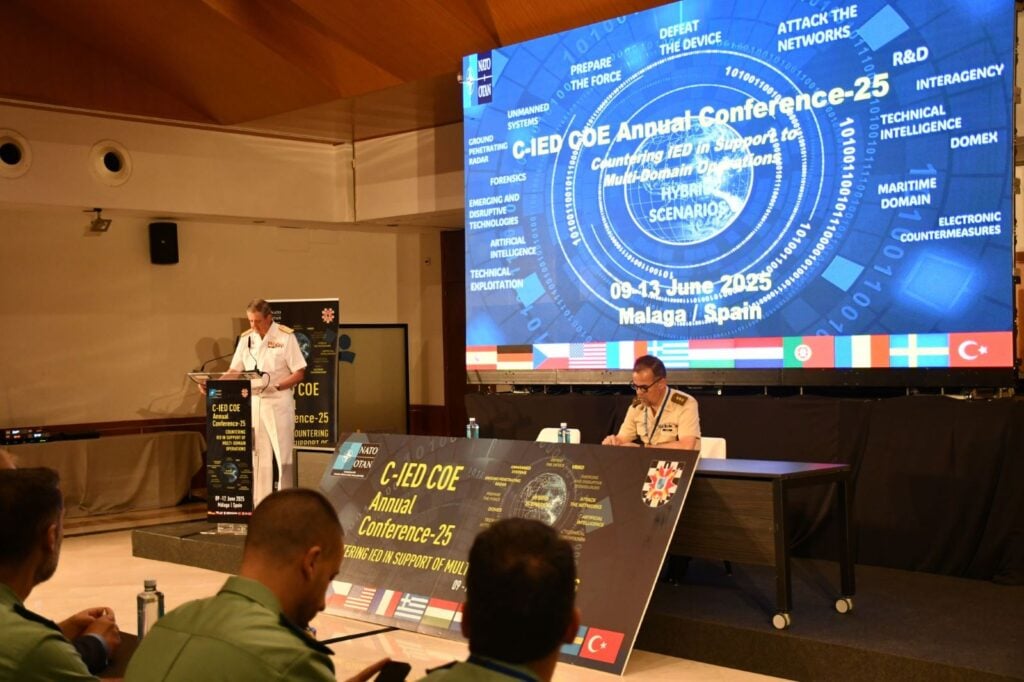
In 2025, the Centre launched the inaugural Counter-IED Annual Conference (CIEDAC) ‘25, in Málaga, Spain. This new forum combines previous events into a single, high-level platform for cross-sector engagement. Participants include military personnel, law enforcement, intelligence services, academia, and representatives from the defence industry. The 2025 conference focused on the integration of counter-IED strategies within Multi-Domain Operations, with panel sessions exploring threat evolution, legal frameworks, and capability development.
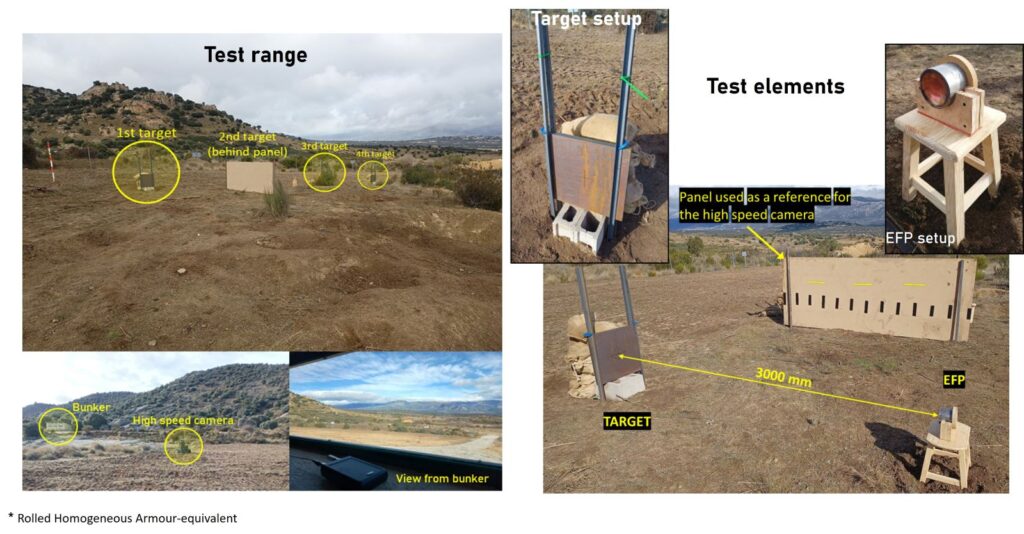
One notable initiative highlighted at the conference was the AKHENATON Project, a multinational effort led by Spain, Portugal, and Germany. AKHENATON stands for Advance Kit of High ENergy Absorbing and lighT material for side armor add-ONs. This project aims to develop lightweight, modular armour to protect light tactical vehicles from lateral explosively formed IED attacks. Collaborative testing between military engineers, academics, and industry specialists has produced scalable protection systems with potential for NATO-wide standardization.
This integration of strategic foresight and technical expertise illustrates the Centre’s role as a bridge between policy development, operational practice, and innovation. Whether through multinational training, field experimentation, or threat analysis, the Centre contributes directly to NATO’s transformation efforts.
Sustaining NATO Readiness Through Collaboration and Foresight
Beyond its field initiatives, the Centre plays a broader role in supporting NATO readiness. It advances education, doctrine development, and knowledge sharing, while integrating counter-IED expertise across the Alliance. Its outreach efforts ensure that NATO institutions are informed and aligned in confronting evolving explosive threats.
By anticipating future challenges and aligning capabilities accordingly, the Centre helps NATO forces remain agile, informed, and interoperable in complex operational environments.
The Counter-Improvised Explosive Devices Centre of Excellence remains a key contributor to NATO’s efforts to mitigate IED threats. With a focus on innovation, cooperation, and preparedness, it ensures that the Alliance is better equipped to meet the security challenges of today and tomorrow.
To explore the Centre’s initiatives, publications, and upcoming events, visit the Counter-IED Centre of Excellence’s official website.