
Rome, Italy – The second annual Allied Foresight Conference concluded this week at the NATO Defense College in Rome, marking another step forward in Allied Command Transformation’s effort to ensure NATO remains ready for the challenges of tomorrow. Co-hosted by Allied Command Transformation and the NATO Defense College, the conference brought together experts from across the Alliance, partner nations, academia, and industry under the theme “Tomorrow Starts Today.”
The conference built upon the foundation laid by Allied Command Transformation’s 2023 Strategic Foresight Analysis, which offers a shared understanding of how the global security environment may evolve by 2043. That landmark study identified seven key drivers likely to shape NATO’s future: climate breakdown and biodiversity loss, resource scarcity, disruptive technologies including artificial intelligence, shifting geoeconomic structures, empowered human networks, competition over global commons, and a transforming international order.
The 2023 analysis employed the Framework Foresight Model and extensive collaboration with Allied and partner nations, using workshops, scenario development, and AI-assisted horizon scanning to synthesize insights from more than 800 participants. Its central conclusion was clear: strategic competition, driven by both state and non-state actors, will persist and intensify. In that context, foresight becomes not an intellectual exercise, but a strategic necessity.
Building Foresight into NATO’s Future
Over three days of discussion and collaboration, participants explored how strategic foresight can strengthen NATO’s ability to anticipate and prepare for complex security environments. The conference served as a platform for exchanging ideas on emerging global trends, from climate pressures and demographic shifts to disruptive technologies and fragile governance, and how they influence defence planning and warfare development.
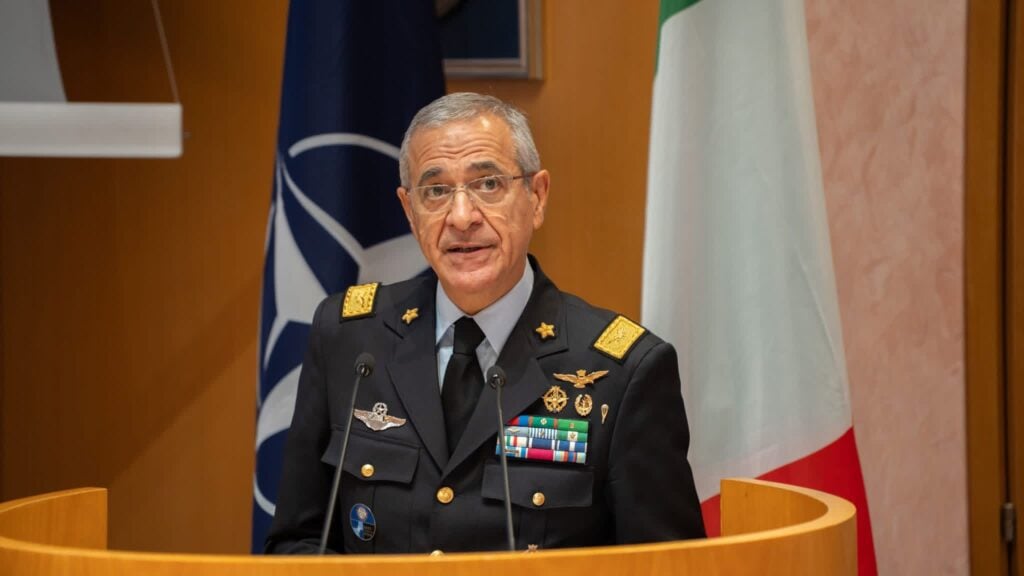
Deputy Supreme Allied Commander Transformation, General Aurelio Colagrande, delivered the keynote address, underscoring the strategic value of foresight as a foundation for NATO’s long-term resilience.
“Foresight is not about guessing tomorrow,” General Colagrande told the audience. “It is about ensuring that, when tomorrow comes, NATO is ready to face it with confidence.”
He emphasized that foresight must be active and applied, not confined to academic study or analytical reports. “Our work is not about producing reports that sit on a shelf. It is about enabling NATO to think differently, to test assumptions, and to make decisions today that will stand the test of tomorrow.”
A Collective Effort for Strategic Readiness
Discussions throughout the event highlighted foresight as both a strategic tool and a shared responsibility across the Alliance. Participants examined how coordinated foresight activities can better inform NATO’s capability development, defence planning, and readiness initiatives.
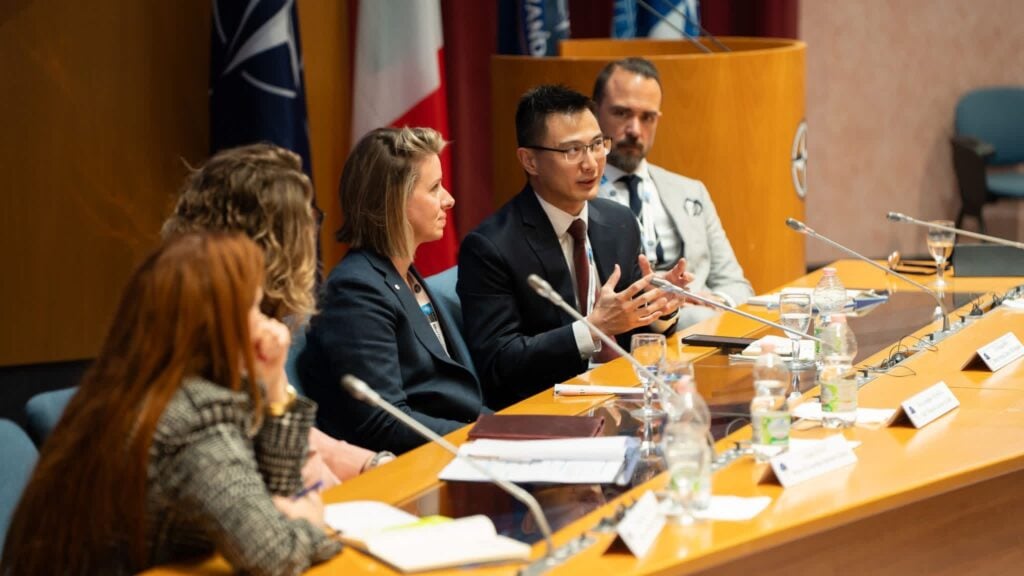
Panels and working sessions engaged policymakers, military planners, and futurists in exploring methods to identify uncertainty and opportunity in the evolving global landscape. The exchange of ideas reinforced a central principle advanced by Allied Command Transformation: that foresight is strongest when conducted collectively.
As General Colagrande noted, “Simply put, foresight is stronger when it is collective. And it is most valuable when it directly informs decisions on capabilities, planning, and readiness.”
Collaboration between Institutions
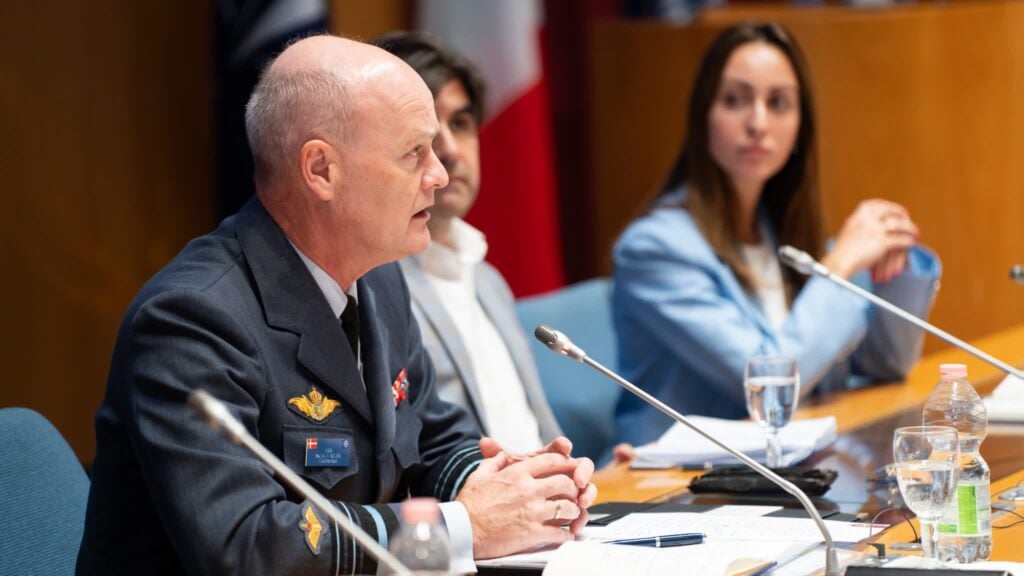
The NATO Defense College provided the ideal venue for this dialogue, linking education, research, and strategic thought with the transformation priorities led by Allied Command Transformation. Lieutenant General Max A. L. T. Nielsen, Commandant of the College, also delivered opening remarks, emphasizing the importance of collaboration between foresight practitioners and NATO’s senior leadership.
The event continued under the Chatham House Rule following the keynote sessions, allowing open and candid exchanges among participants. This atmosphere encouraged discussion of complex and sometimes competing visions for NATO’s future approach to innovation and warfare development.
Preparing for an Uncertain Future
By the conference’s close, participants reaffirmed the need for foresight that is not theoretical but operational, foresight that actively informs decisions shaping NATO’s readiness and deterrence posture. The outcomes of this year’s Allied Foresight Conference will contribute directly to ongoing work led by Allied Command Transformation, including the next iteration of the Strategic Foresight Analysis, a cornerstone product guiding NATO’s long-term strategy.
In his closing message, General Colagrande captured the spirit of the event: “This is foresight with purpose—not to predict the future, but to prepare NATO for it, to keep our Alliance strong, secure, and one step ahead.”