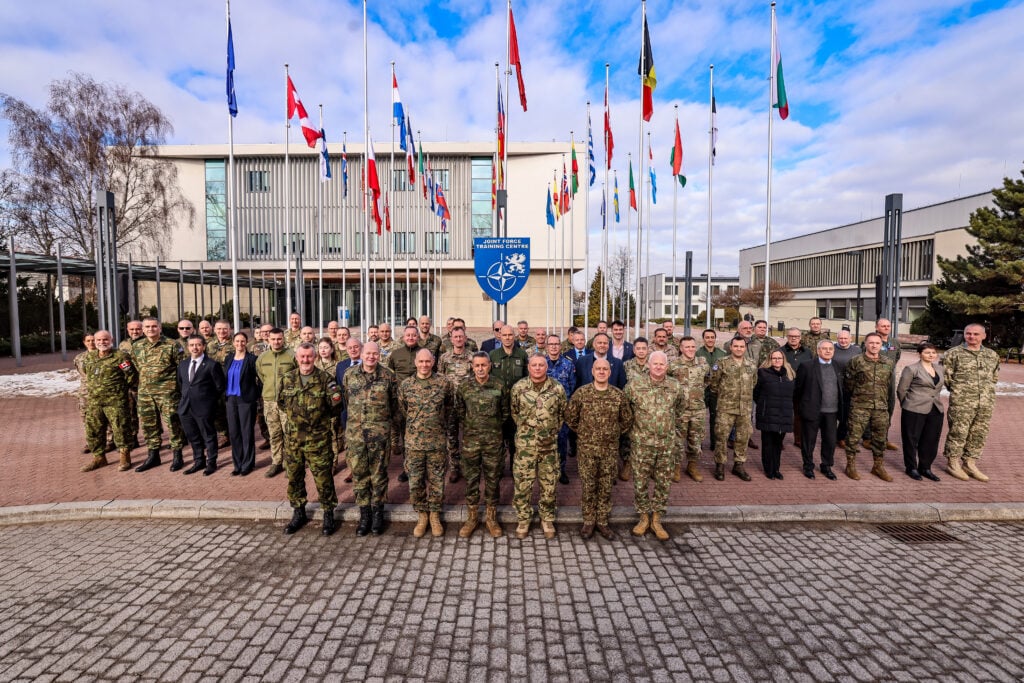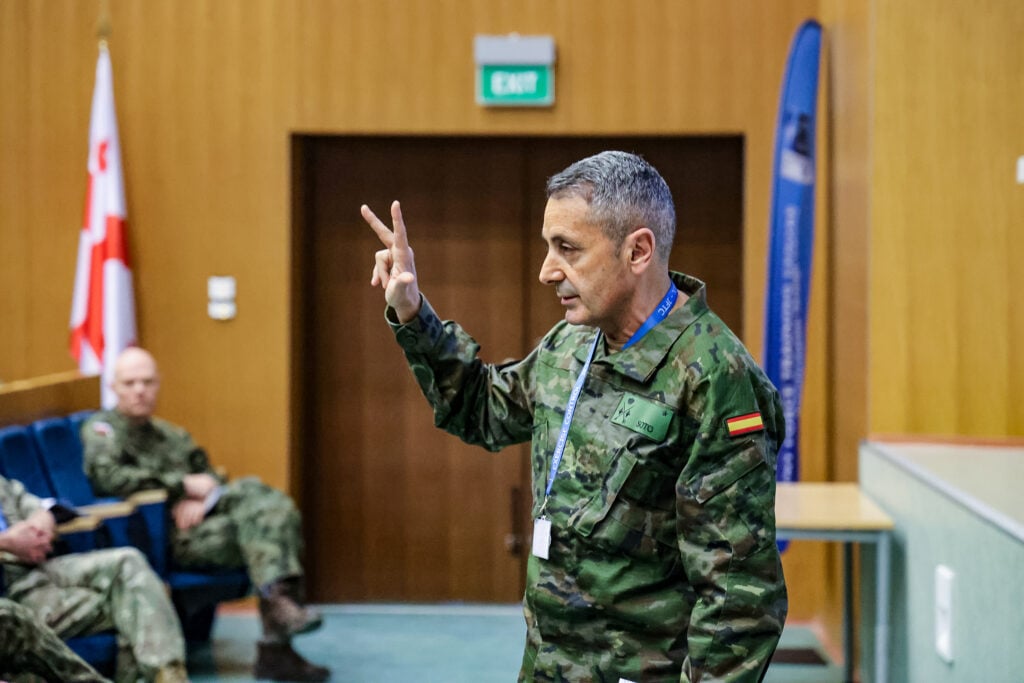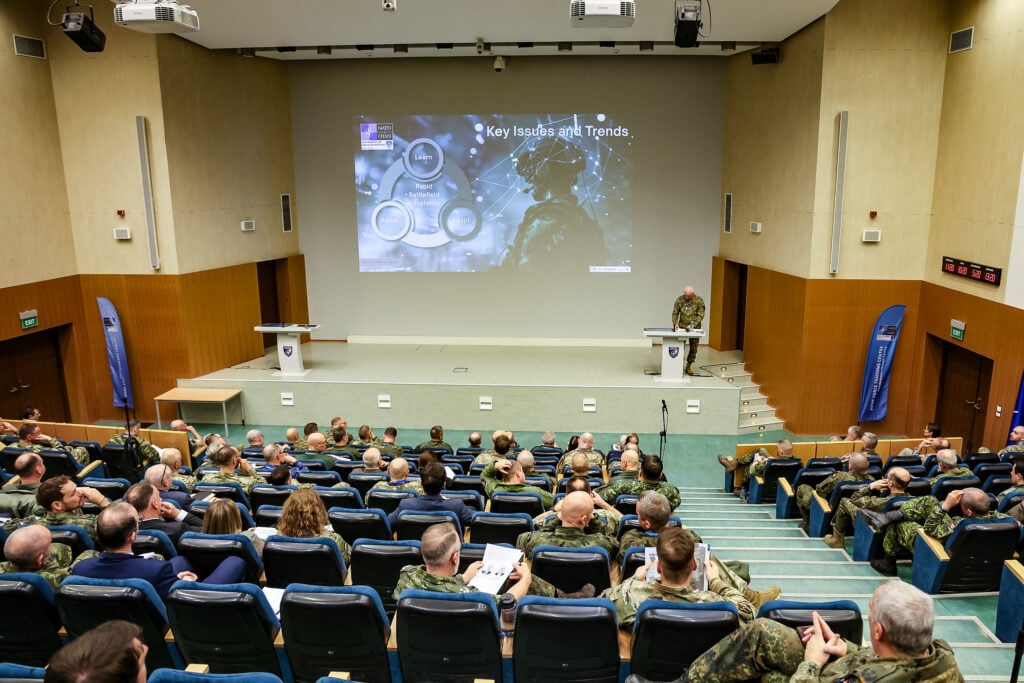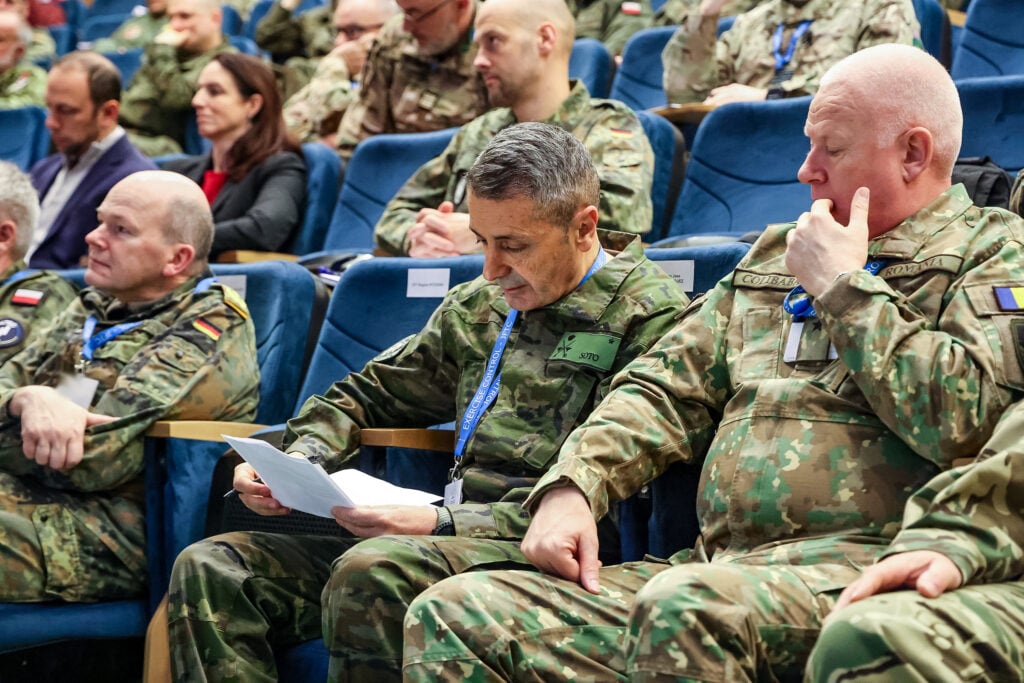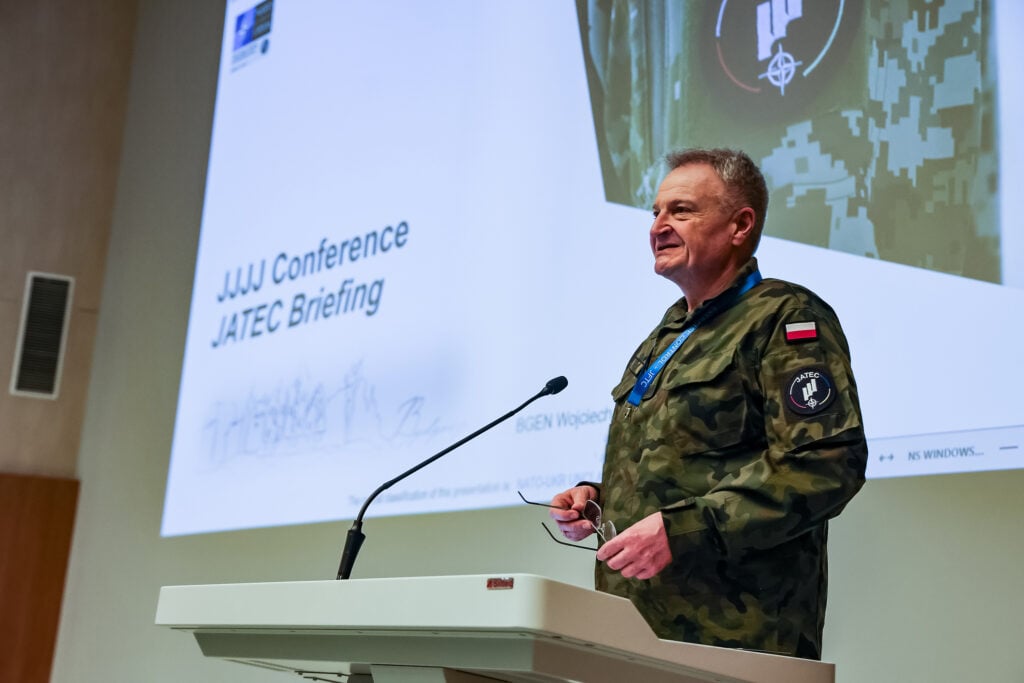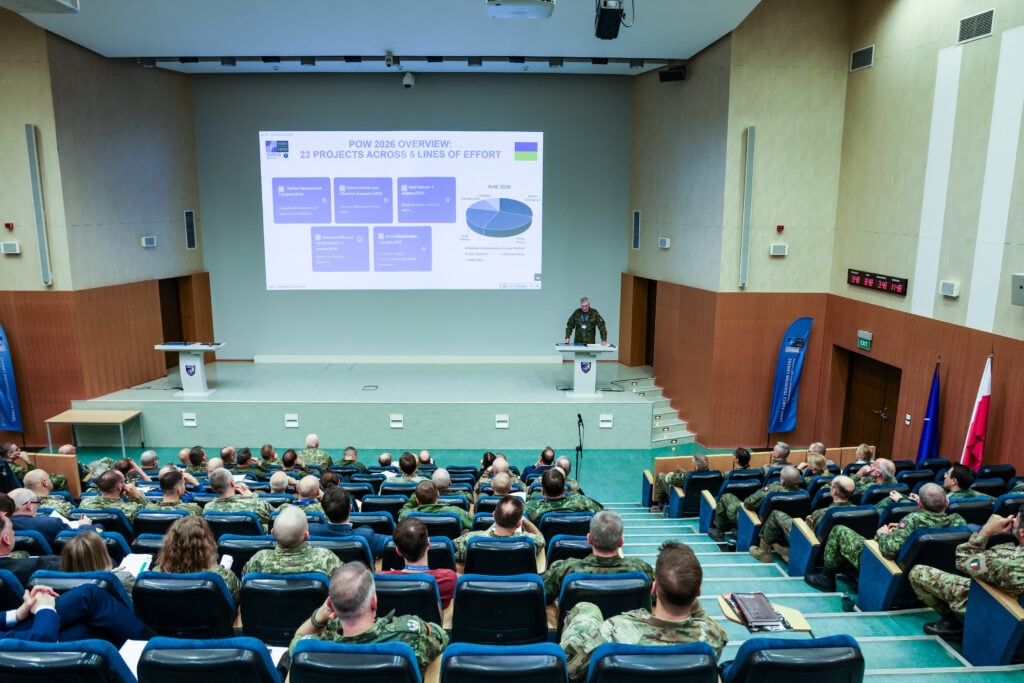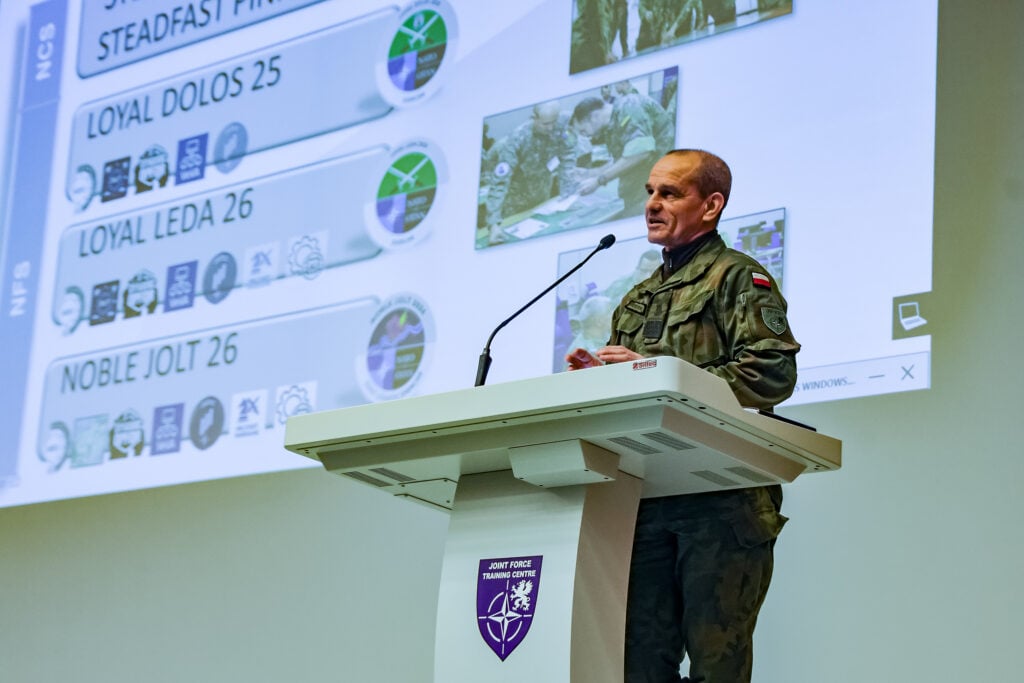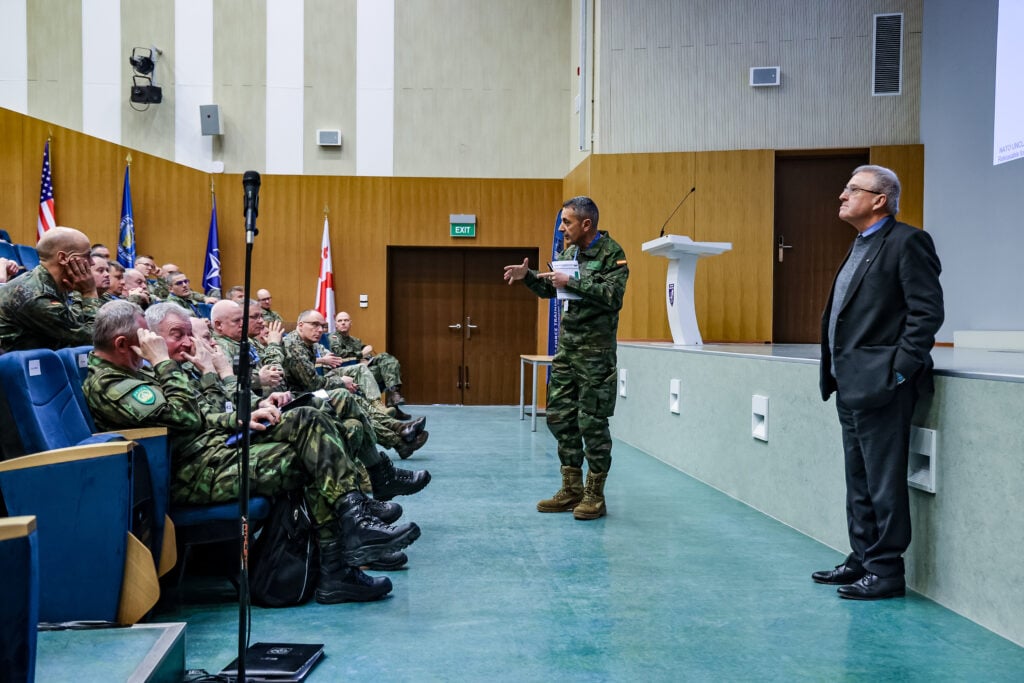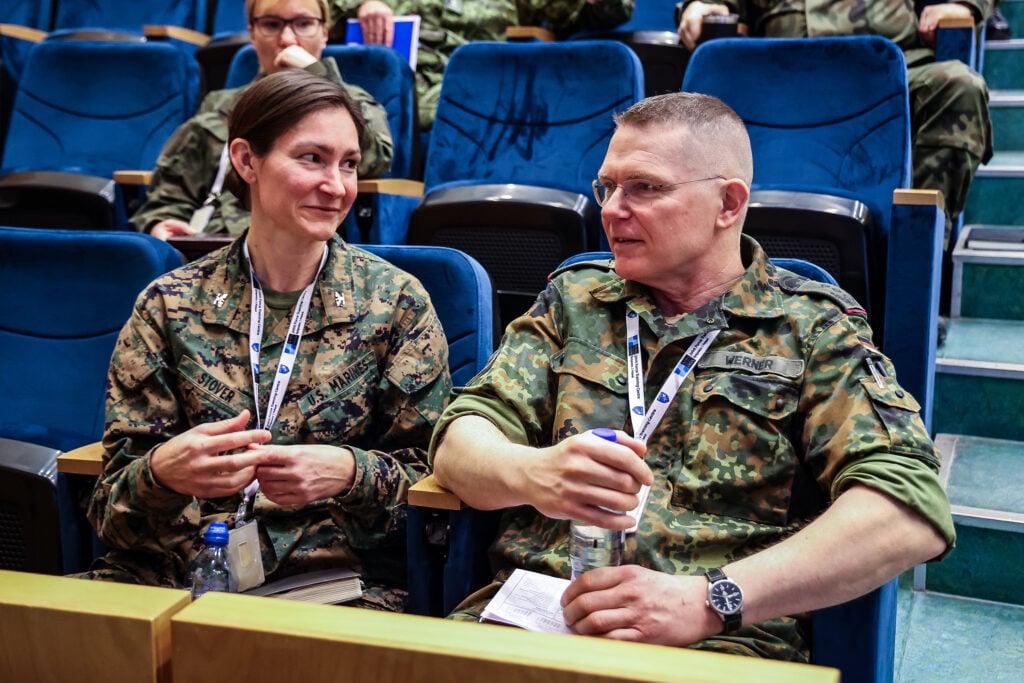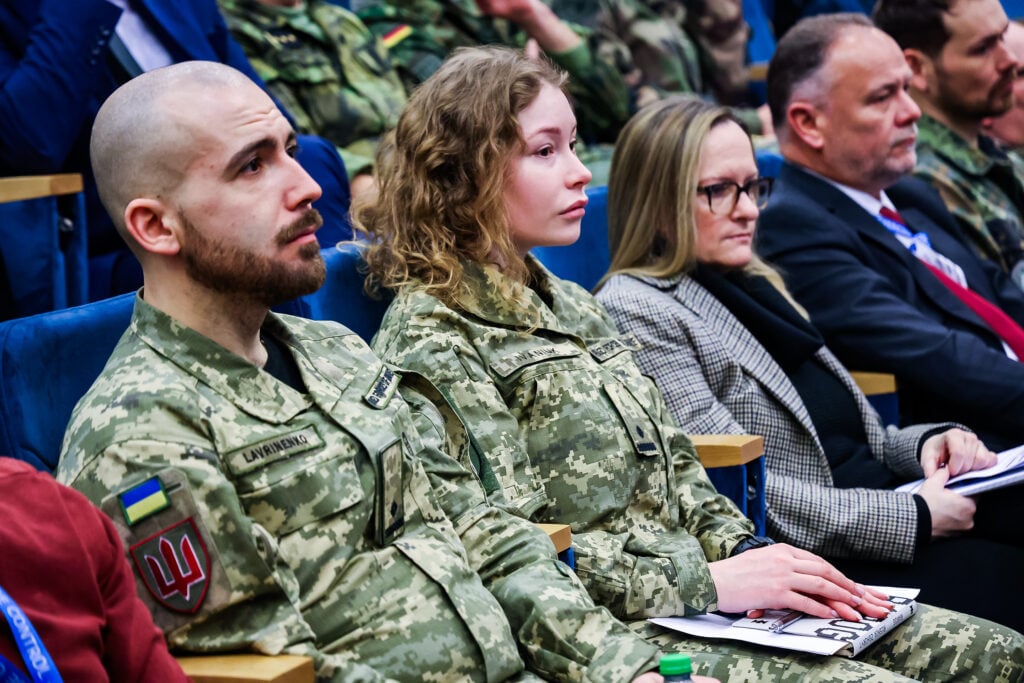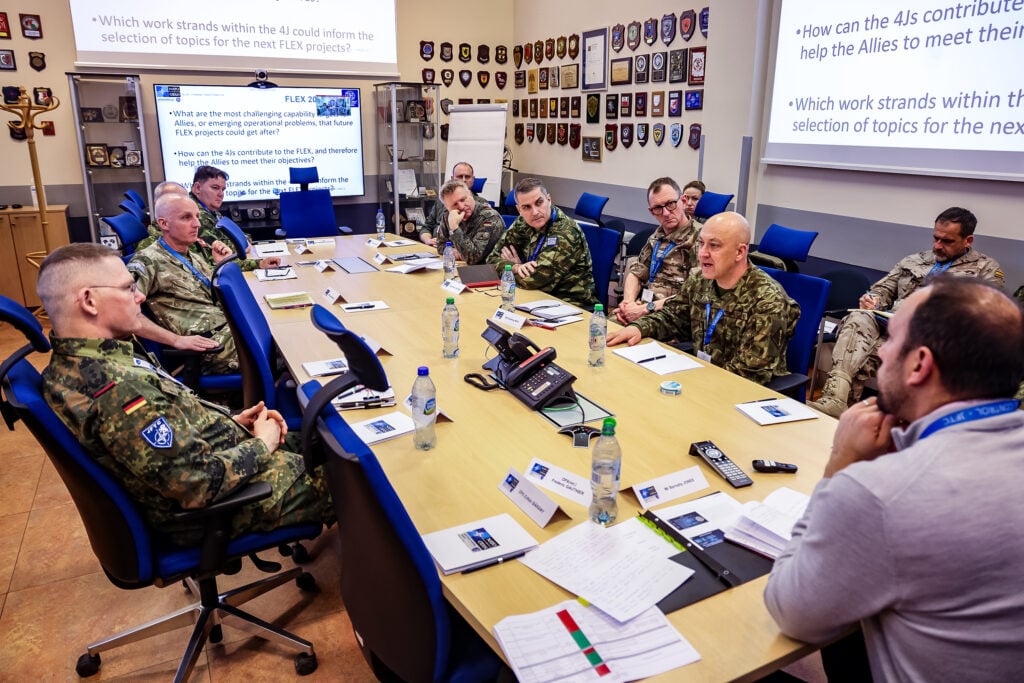
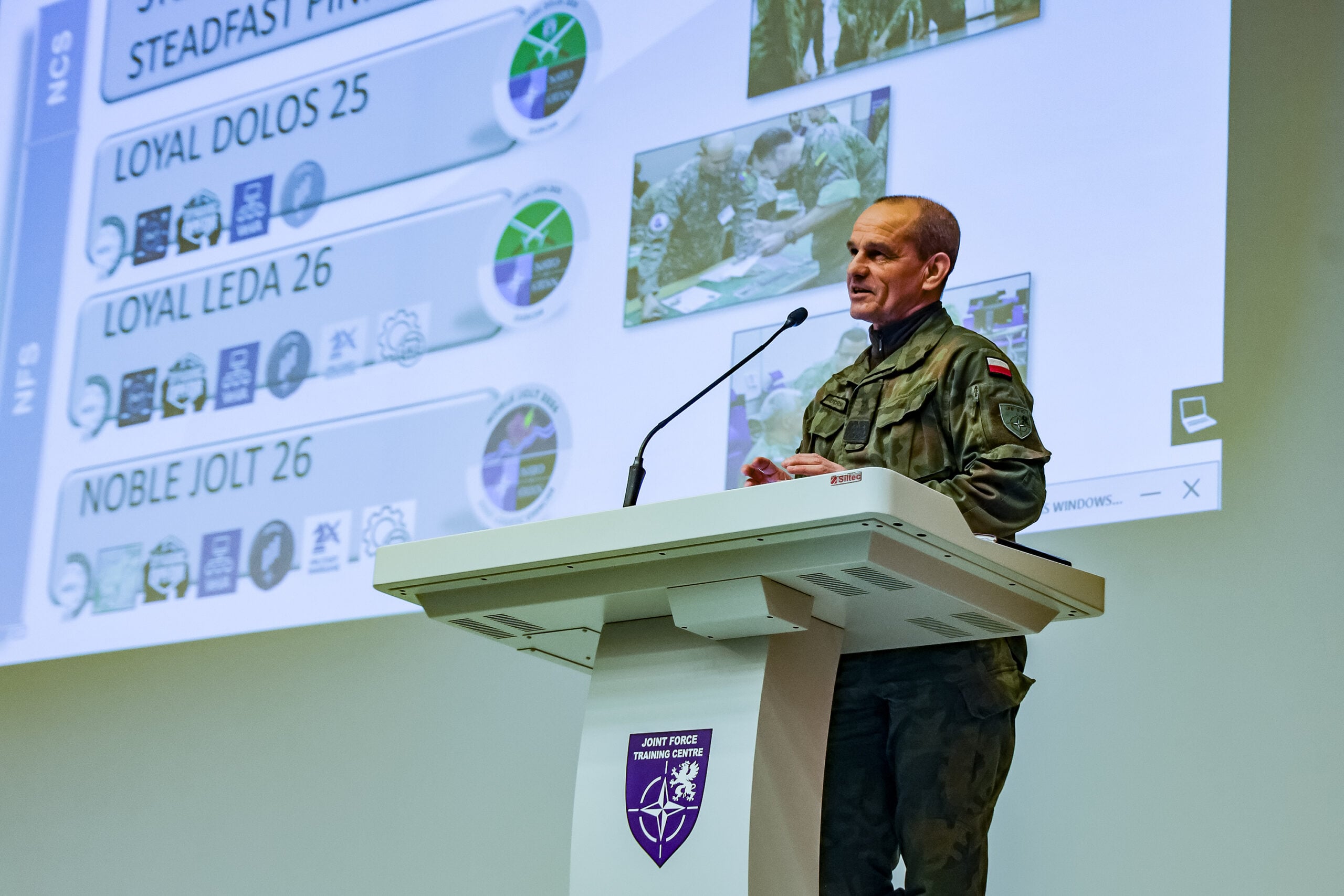
This week, Allied Command Transformation (ACT) convened its four subordinate commands, often referred to collectively as the “4Js”, for the “Headquarters Supreme Allied Commander Transformation and JJJJ Commanders Conference” hosted by the Joint Force Training Centre in Bydgoszcz, Poland. Led by Allied Command Transformation’s Deputy Chief of Staff for Multi-Domain Force Development, Major General Juan Jose Soto Rodriguez, the conference reinforced a practical message: NATO’s ability to adapt faster than its competitors depends on how well the Alliance connects analysis, lessons learned, training, and the rapid integration of new methods and technologies across the warfare development enterprise.
Why they exist: turning reality into Alliance advantage
The JJJJs are a force multiplier for NATO Allied Command Transformation because they turn ideas into operational relevance. The Joint Analysis and Lessons Learned Centre (JALLC) identifies what is changing in modern conflict and where NATO must adapt to stay ahead, which the Strategic Commands (Allied Command Operations and Allied Command Transformation) translate into concrete recommendations and tasking. The Joint Warfare Centre (JWC) and the Joint Force Training Centre (JFTC) embed that reality into collective training, including scenario design, opposition force evolution, and the mechanisms that make exercises credible at scale. While the newest command, the Joint Analysis Training and Education Centre (JATEC), strengthens the loop by bringing Ukrainian expertise into NATO’s training, education, and analysis ecosystems, ensuring that operational experience and adaptation trends are understood and reflected where they matter most.
An end-to-end adaptation loop: analysis, training and change at scale
The conference focused on tightening this end to end “adaptation loop” with tangible outputs, not processes. Participants aligned on how the 4Js could deliver faster, more repeatable integration of analysis into exercises and education, while keeping workstreams synchronized with ACT priorities. A specific emphasis was given to accelerating AI-enabled processes for training and analysis, alongside improved data integration through NATO’s digital ecosystem.
This was framed as a practical enabler for faster iteration, better reuse of lessons, and more responsive exercise design. The 4Js aligned on strengthening the mechanisms that keep collective training relevant, ensuring the readiness of the Alliance’s forces through scenario fidelity, operational dilemmas, and the pace of adaptation reflected in modern conflict.
Practical outputs and the way ahead: synchronization and burden sharing
A key outcome was renewed coherence across Allied Command Transformation, the 4Js, and partners such as Allied Command Operations (ACO). The conference produced actionable work strands and short and mid-term priorities for collective training, experimentation, lessons learned, and warfare development, with an explicit emphasis on burden sharing and alignment to the ACT and ACO battle rhythm and Programme of Work cycles.
As the ACT’s Deputy Chief of Staff for Multi-Domain Force Development, General Major General Juan Jose Soto Rodriguez, underlined in his opening remarks, “finding points of intersection and practical solutions among the four subordinate commands is key. For example, how does a Headquarters, Supreme Allied Commander Transformation concept become a JWC exercise scenario inject, or a JALLC or JATEC observation become a JFTC training event?”
The value of the JJJJ enterprise is not only expertise in separate lanes, but the ability to deliver a connected, credible and repeatable pathway from observed reality to tested change. In a period defined by fast operational learning and rapid technological diffusion, the conference reaffirmed the JJJJs as a core engine of NATO transformation: connecting insight to training, and training to tangible improvements in deterrence and defence.