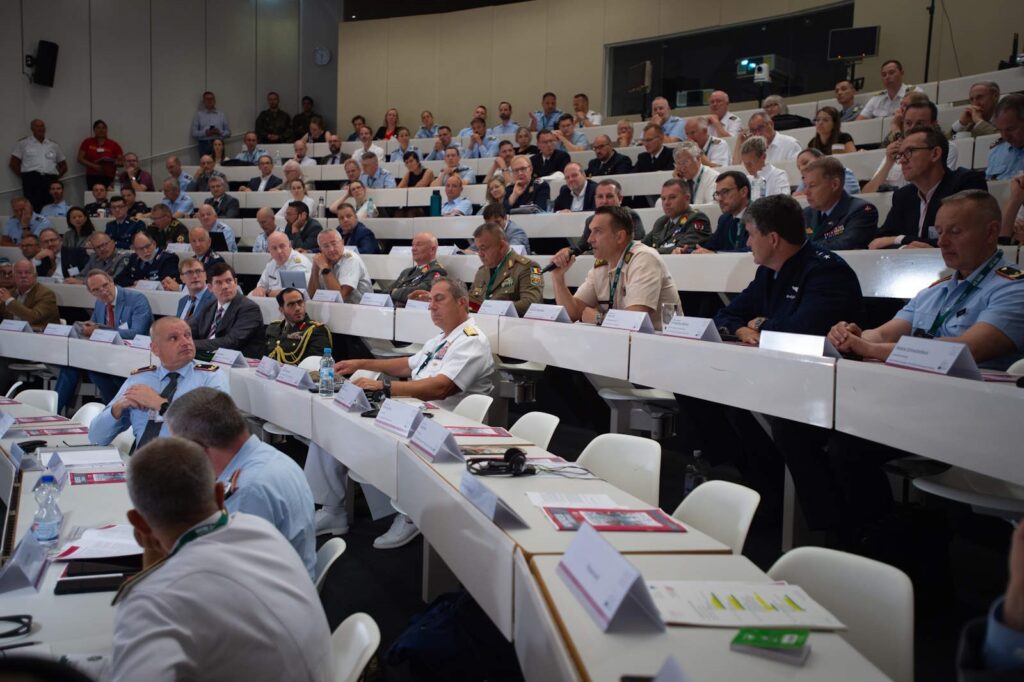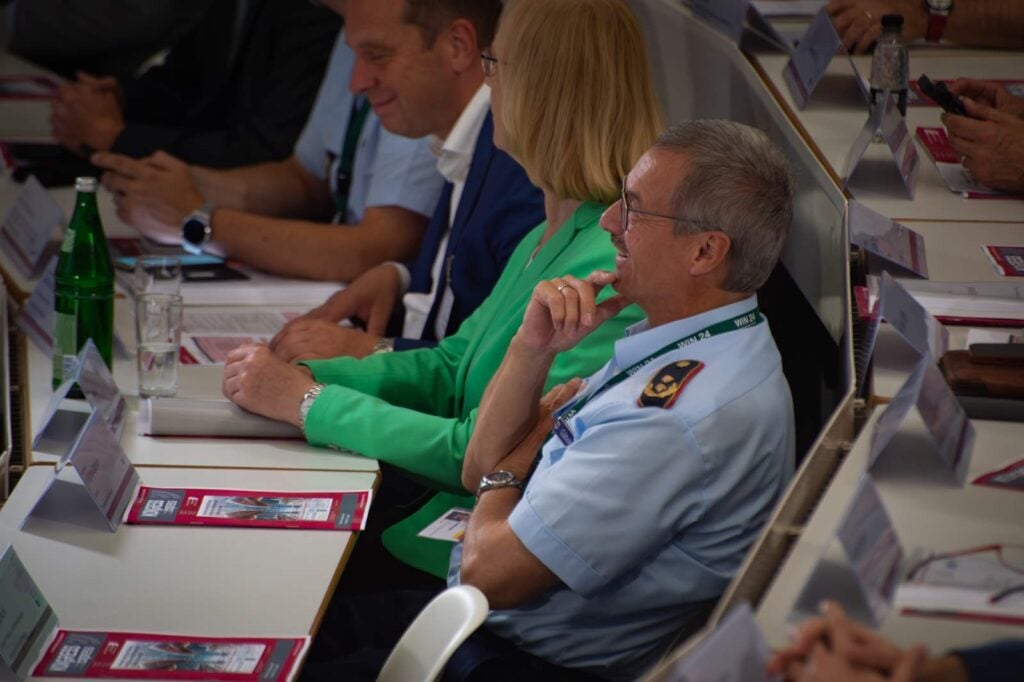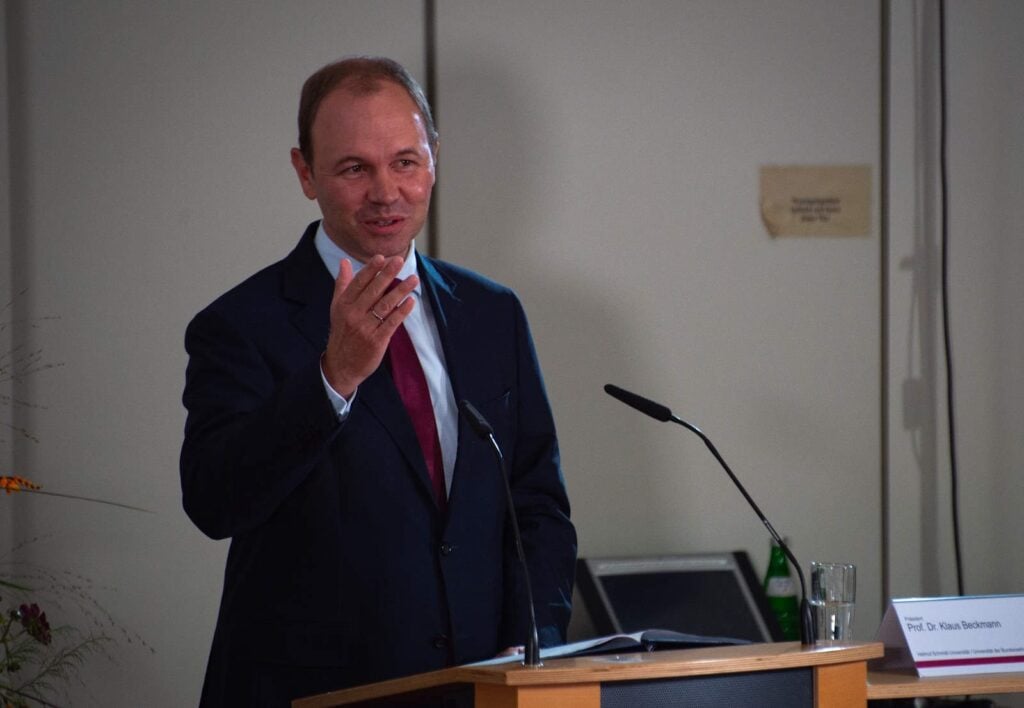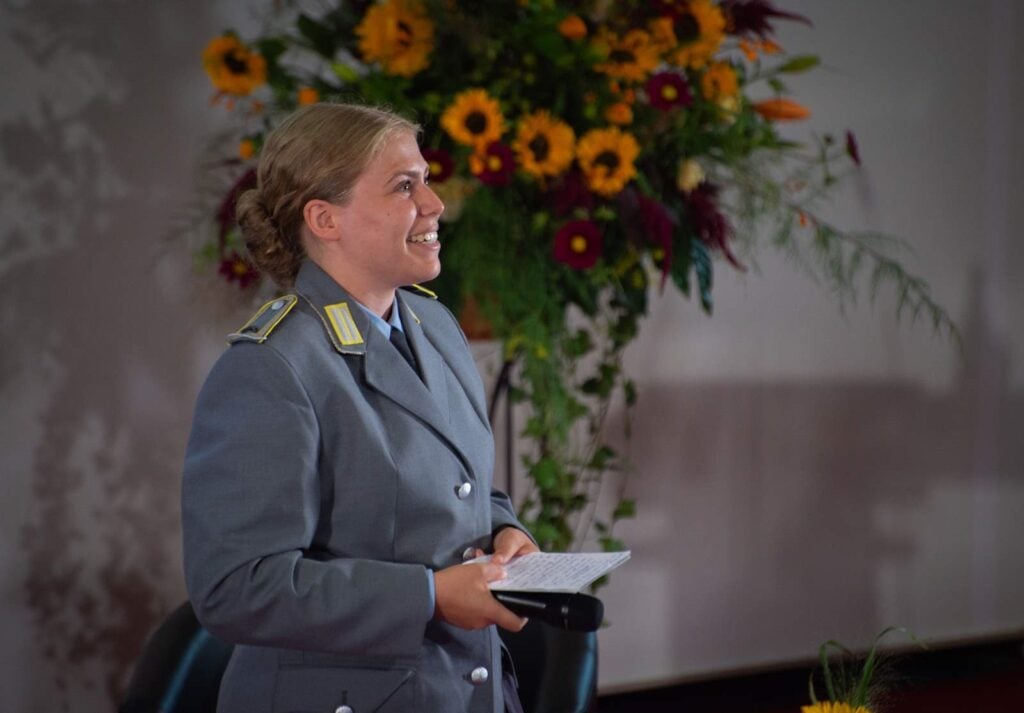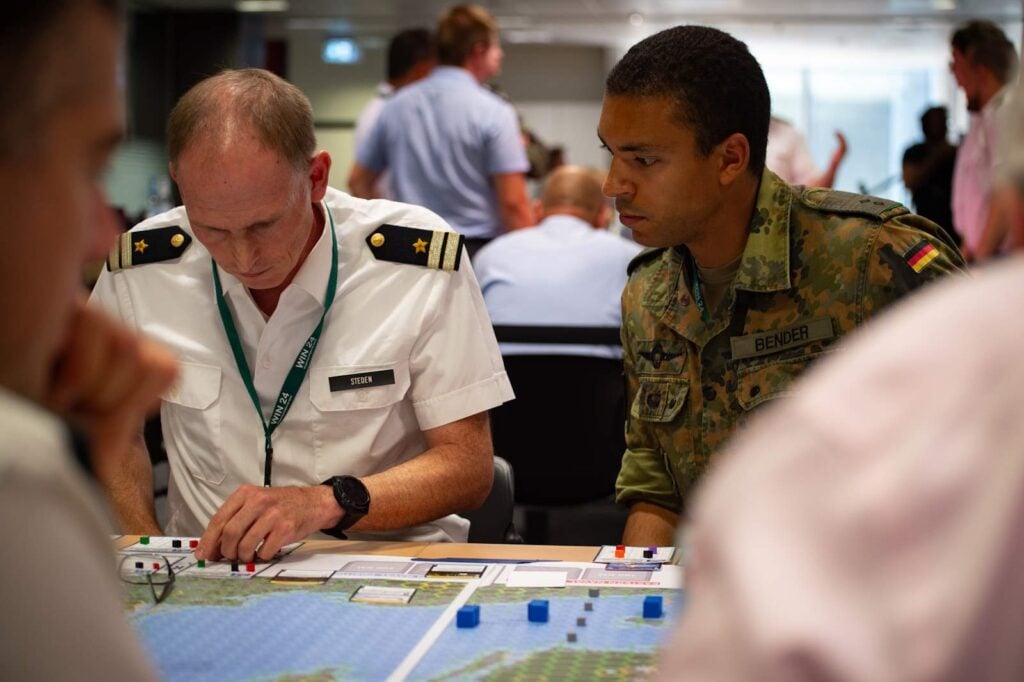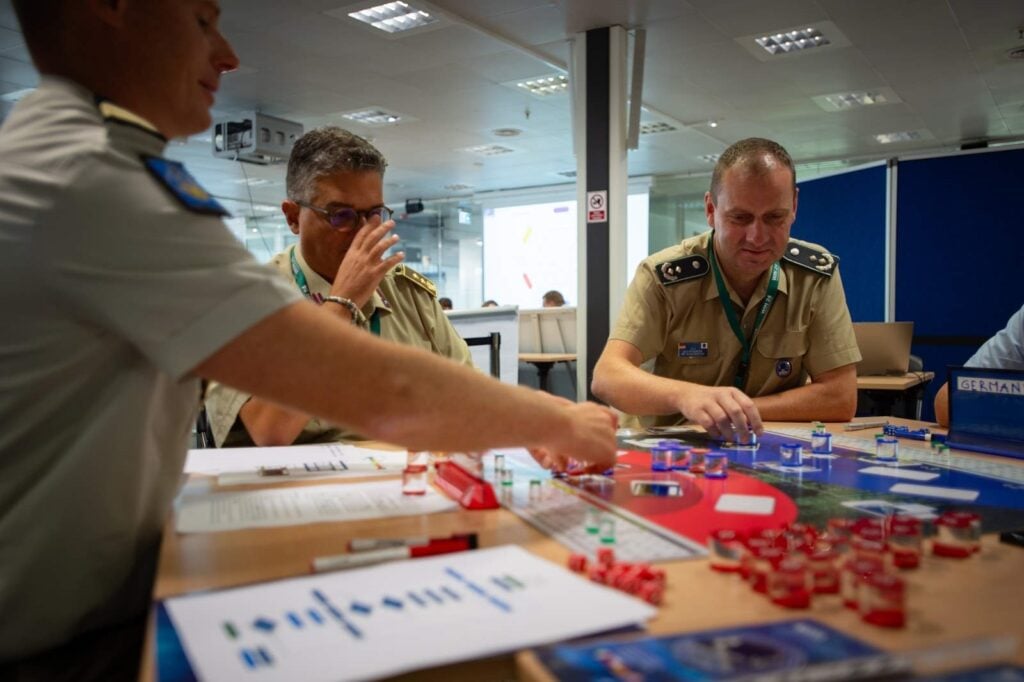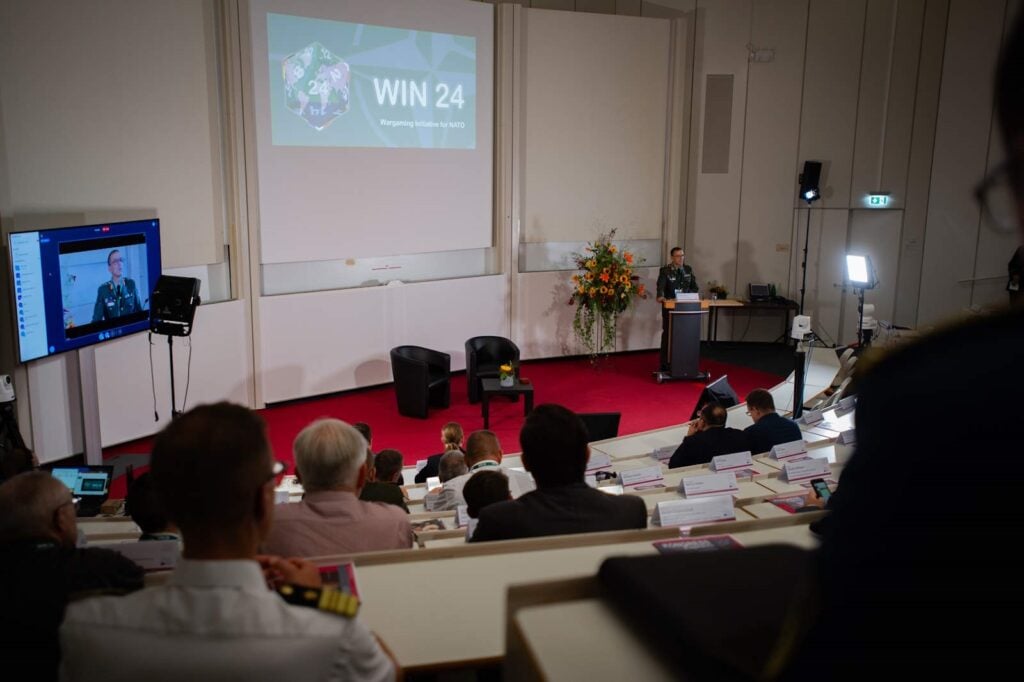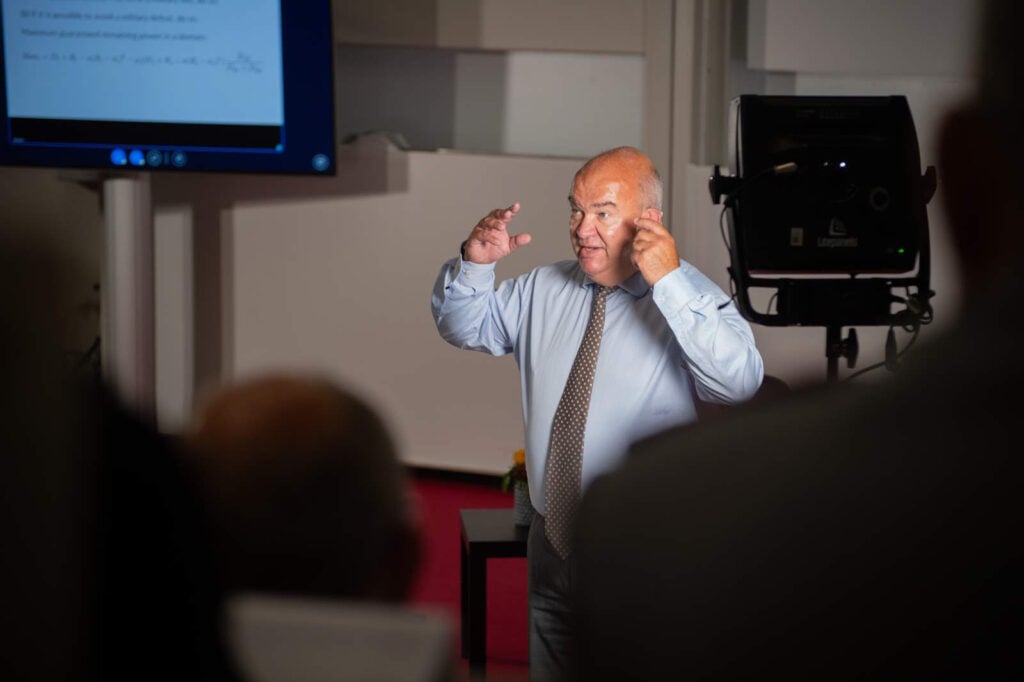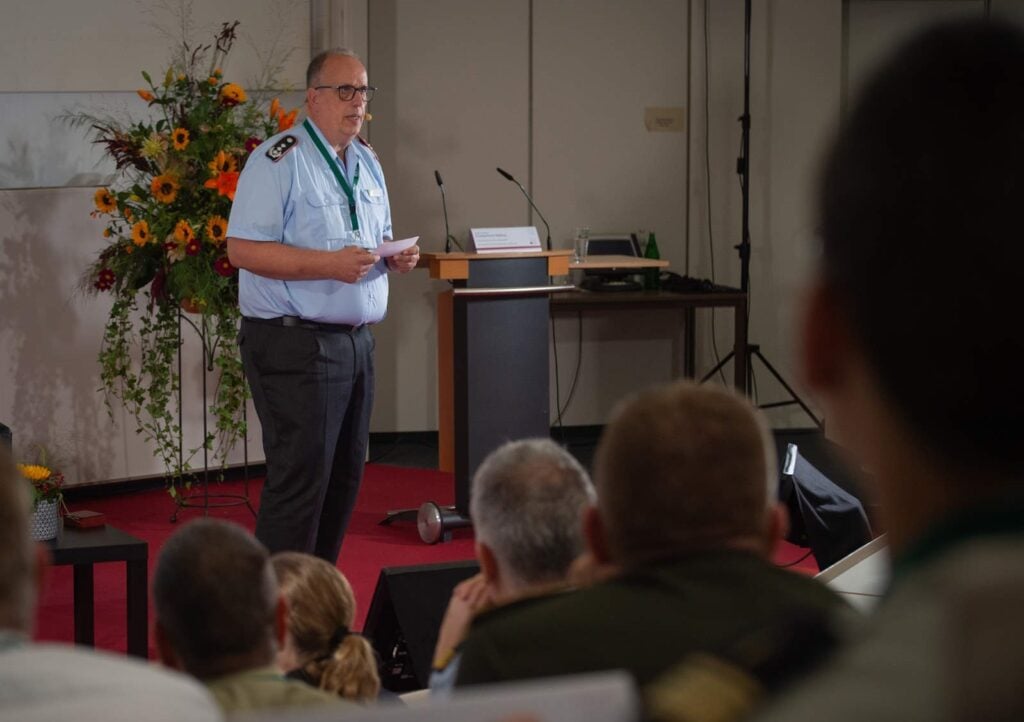
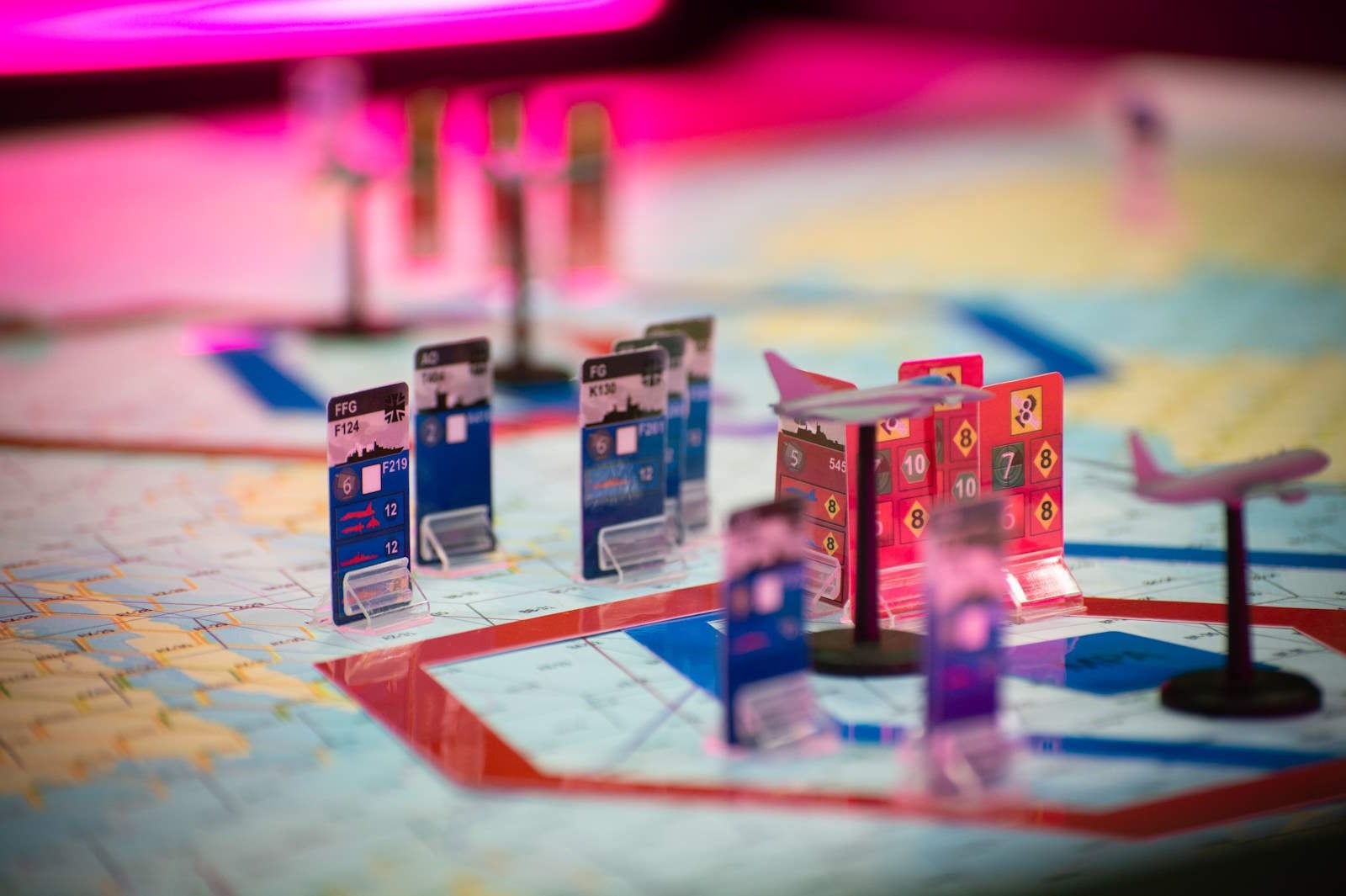
This week, the Wargaming Initiative for NATO 2024, also known as “WIN24”, took place in Hamburg, Germany. Hosted at the Helmut Schmidt University, the event was held over two days and included 300 attendees from 24 Allied nations and 2 partner nations. The agenda provided opportunities for participants to immerse themselves in up to 21 strategic, tactical and political wargaming scenarios.
Carefully selected by a tri-national team led by the German Bundeswehr Office for Defence Planning, and supported by experts from France and Italy, the wargames focused on all five warfare domains (air, maritime, land, space and cyber). Each was developed to challenge the participants with a combination of educational and analytical gaming categories.
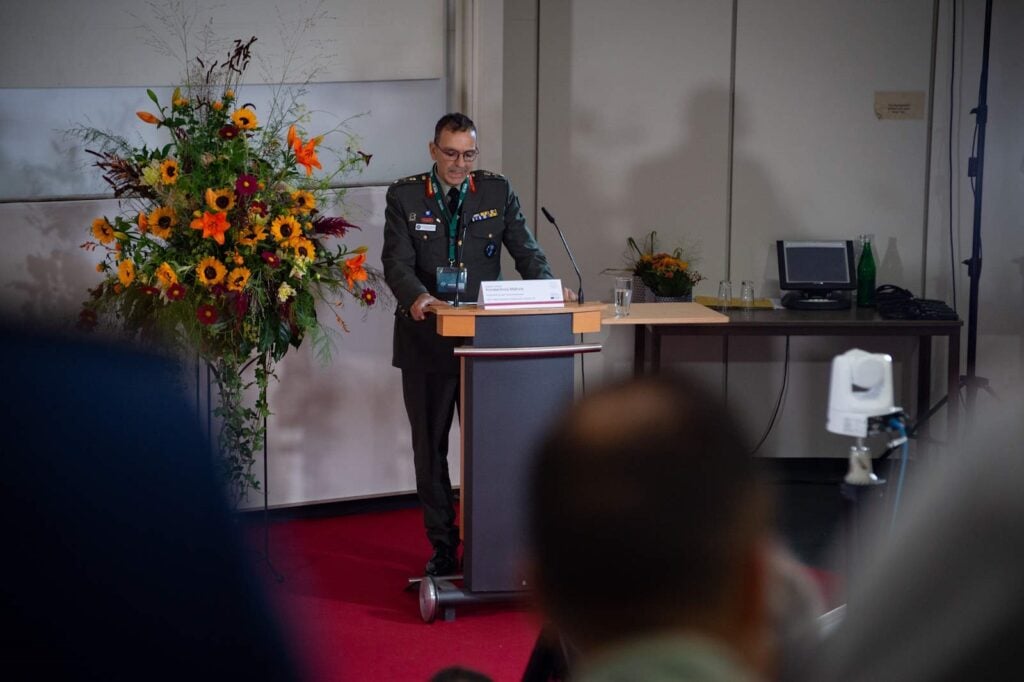
In his preface for the event, Lieutenant General Andreas Hoppe, Vice Chief of Defence of the Bundeswehr, reminded participants that the history of wargaming took place in what is now Germany. The roots of wargaming can be traced back to 1824 with the invention of the Prussian “Kriegsspiel” by Georg von Reisswitz, which was used to train Officers on new types of topographical maps that changed warfare profoundly.
That is why we also want to honour the 200-year anniversary of this notable event with this year’s Wargaming Initiative for NATO. Wargaming promotes strategic thinking and therefore strengthens our strategic culture in the Bundeswehr, partner countries and the Alliance.
Lieutenant General Andreas Hoppe, Vice Chief of Defence of the Bundeswehr
Across the Alliance we can now see Wargaming being used to develop new ideas, validate concepts and to analyse decision-making. As such it has become a powerful tool to inform defence planning alongside other areas such as research or modelling and simulation.
Wargaming has practical relevance today, offering the participants the circumstances to learn from their own perceptions in a ‘safe-to-fail’ environment, without any consequences to their actions, other than to understand, consider and improve. With clear benefits for resilience, this process promotes critical reflection on complex military challenges in a safe environment. It also provides experience with the underlying command, control and decision-making processes, preparing the Alliance for future emergencies.
This year, Allied Command Transformation was represented at the Wargaming Initiative for NATO with two games called “Assent” and “Cyber Kriegsspiel”. Assent was an analytical game which challenges players in consensus-making crisis scenarios. Players represent a fictional country participating in a fictionalised version of NATO. At each turn, players must collectively decide, and fund, a course of action to address an international crisis while also balancing national goals. Cyber Kriegsspiel was focussed on a small portion an abstract of cyberspace where players aim to achieve dominance using covert and overt means.
Wargaming is an incredible and engaging method of analysis that allows us to engage a problem across multiple levels and often multiple levels of command.
Michelle Strayer, Center for Naval Analyses
The leaders of the armed forces of the Alliance, security organizations and society, must be creative, agile and flexible in their thinking in order to have a cognitive advantage over adversaries. The Wargaming Initiative for NATO is a crucial element to helps ensure that NATO remains a step ahead in the ever-evolving security landscape.