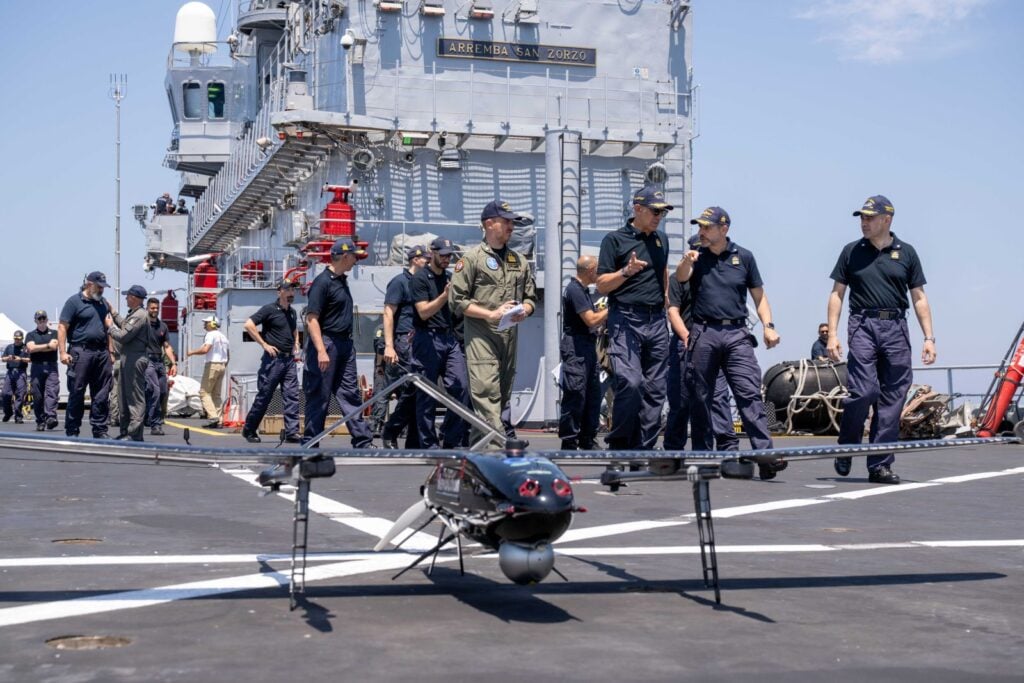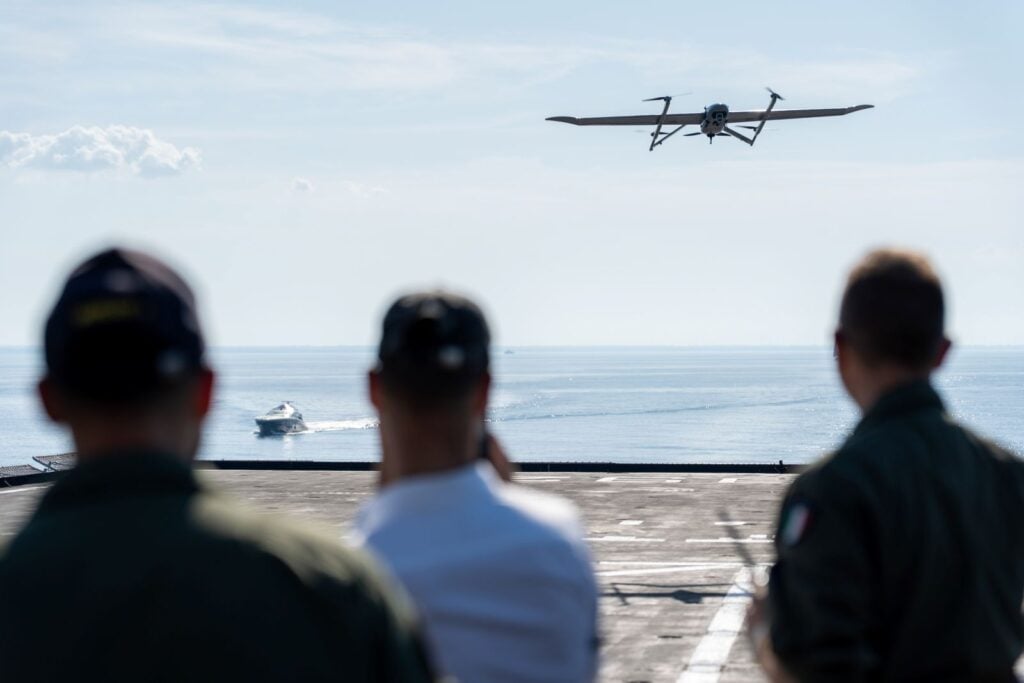
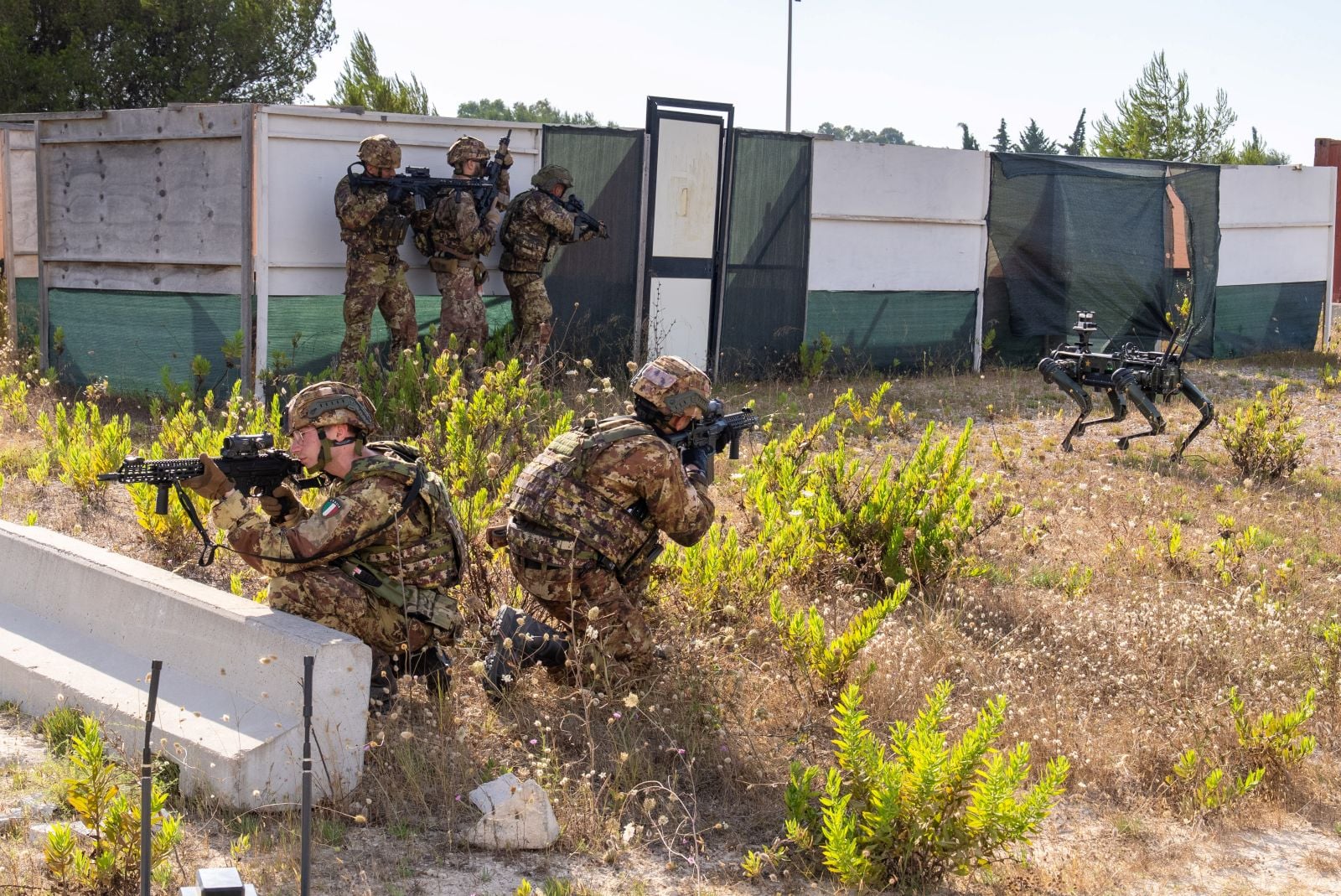
This month, Task Force X-Central Mediterranean, an Italian-led initiative supported by Allied Command Transformation (ACT), is advancing NATO’s efforts to address security challenges in one of the Alliance’s most strategically important maritime regions. Focused on the Central Mediterranean, the initiative supports the integration of intelligence, surveillance and reconnaissance (ISR) capabilities, counter-uncrewed aircraft systems (counter-UAS), and multi-domain uncrewed systems into Allied force structures.
It also reflects a wider Alliance effort. Task Force X–Central Mediterranean sits under NATO’s Rapid Adoption Action Plan, approved at the NATO Summit in The Hague in 2025. The plan is intended to help Allies acquire, integrate, and deploy new technological products more rapidly alongside conventional forces. Within that broader effort, the NATO Task Force X framework offers a practical model for integrating uncrewed technologies into operational units in ways that can be scaled across regions, domains, and mission sets. Task Force X–Central Mediterranean applies that model to NATO’s Southern Flank.
The initiative also reflects ACT’s broader role in helping NATO identify, test, and accelerate technologies that can strengthen Allied military effectiveness.
I am especially proud of ACT’s Innovation community, whose vision helped launch the original Task Force X initiative and continues to accelerate the transformation of promising technologies into real military capabilities.
– General Aurelio Colagrande
Deputy Supreme Allied Commander Transformation
Why the Southern Flank matters
The Mediterranean plays an important role in NATO’s security. It is the crossroads between Europe, North Africa and the Middle East. The Alliance works with Partners across the Mediterranean to preserve security, stability, and cooperation in the Central Mediterranean, all of which are key to NATO’s security.
The region’s role in the global economy, combined with the volume of maritime traffic between NATO and non-NATO nations, presents a unique challenge to the Alliance. In addition, critical underwater infrastructure, such as fibre-optic cables and offshore pipelines, run throughout the Mediterranean, creating vulnerabilities that could affect communications, energy security, and regional stability. As NATO continues to adapt its deterrence and defence posture, the Mediterranean requires solutions that can improve awareness while making better use of available forces.
That challenge is becoming more urgent. Russia’s continued use of the Mediterranean to support proxies has strategic and operational implications for NATO’s posture in the region. For the Alliance, the requirement is clear: maintain a better picture of the operating environment, improve coordination across NATO Commands and Nations, and do so in a way that is sustainable over time.
What Task Force X-Central Mediterranean is designed to do
Task Force X-Central Mediterranean is designed to help meet that requirement by testing a different model for awareness along NATO’s Southern Flank. From June to July 2026, Italy, Croatia, Latvia, Slovenia and the United States are demonstrating multi-domain awareness capability in the Central Mediterranean. Eight other NATO Allies and Partners are also participating as observers.
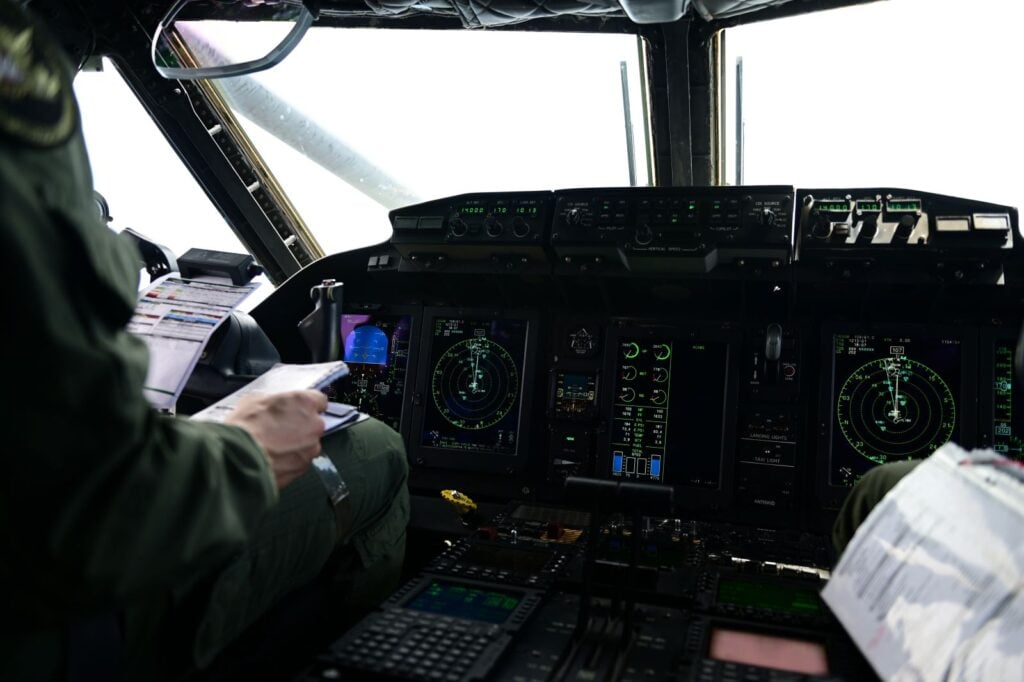
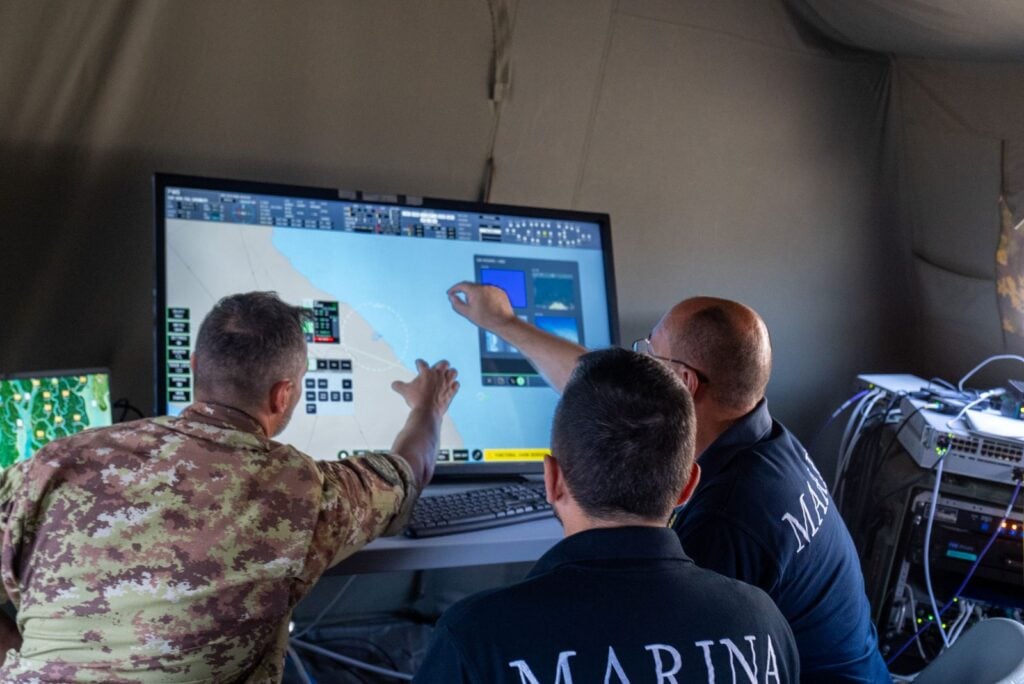
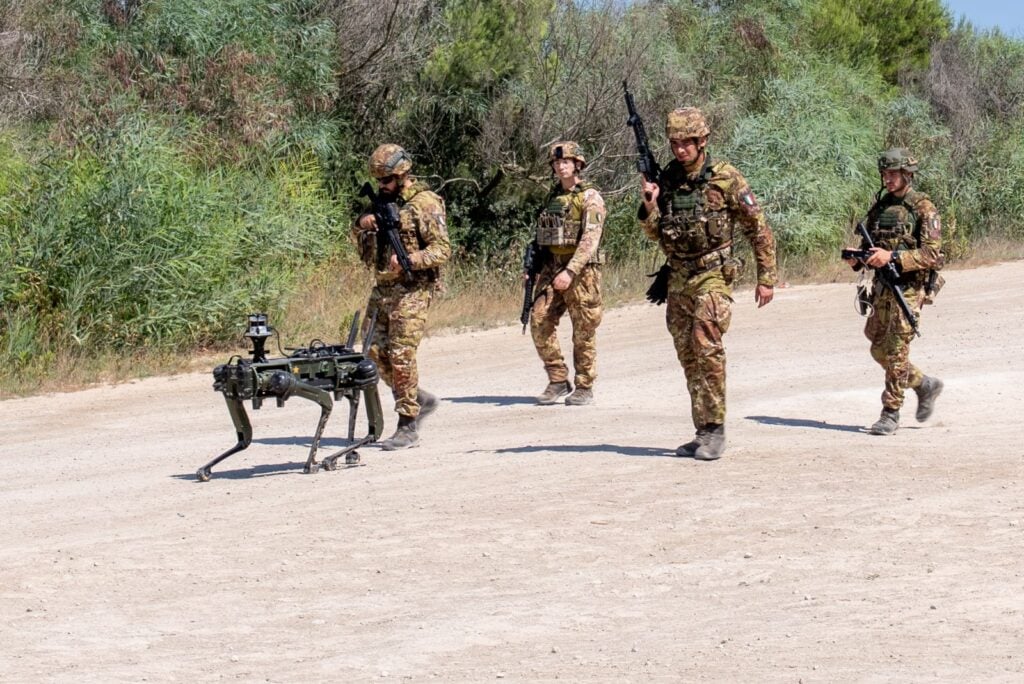
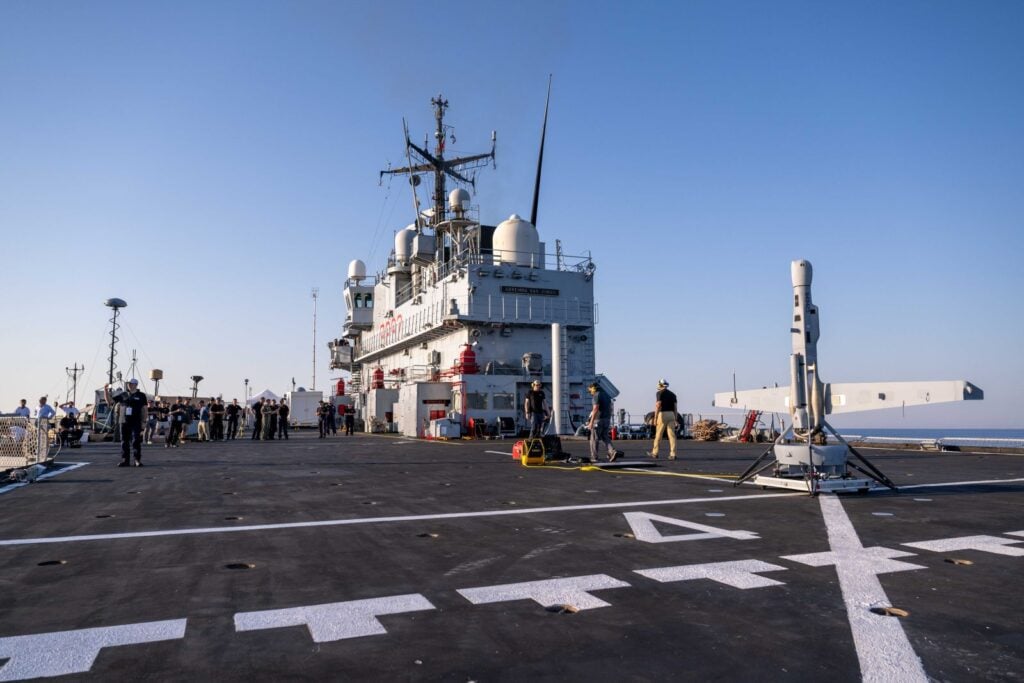
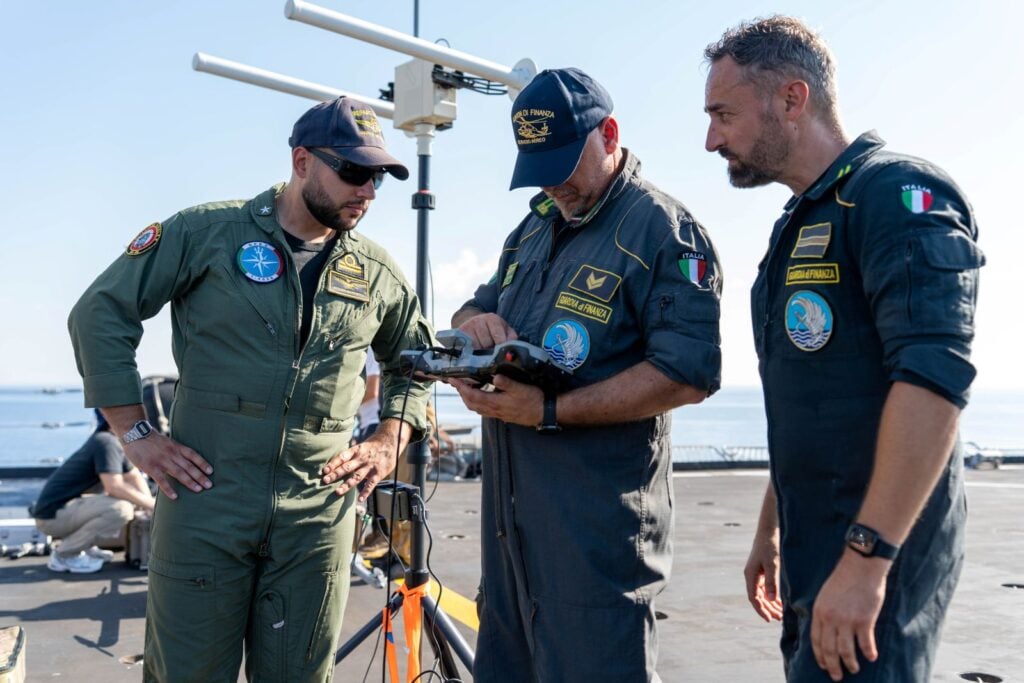
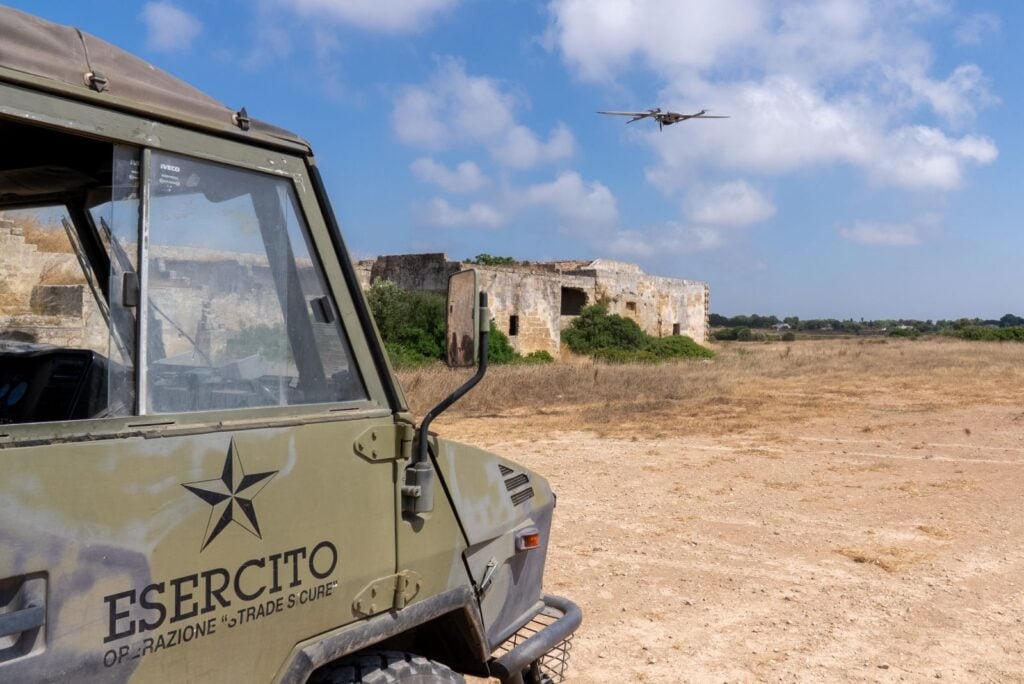
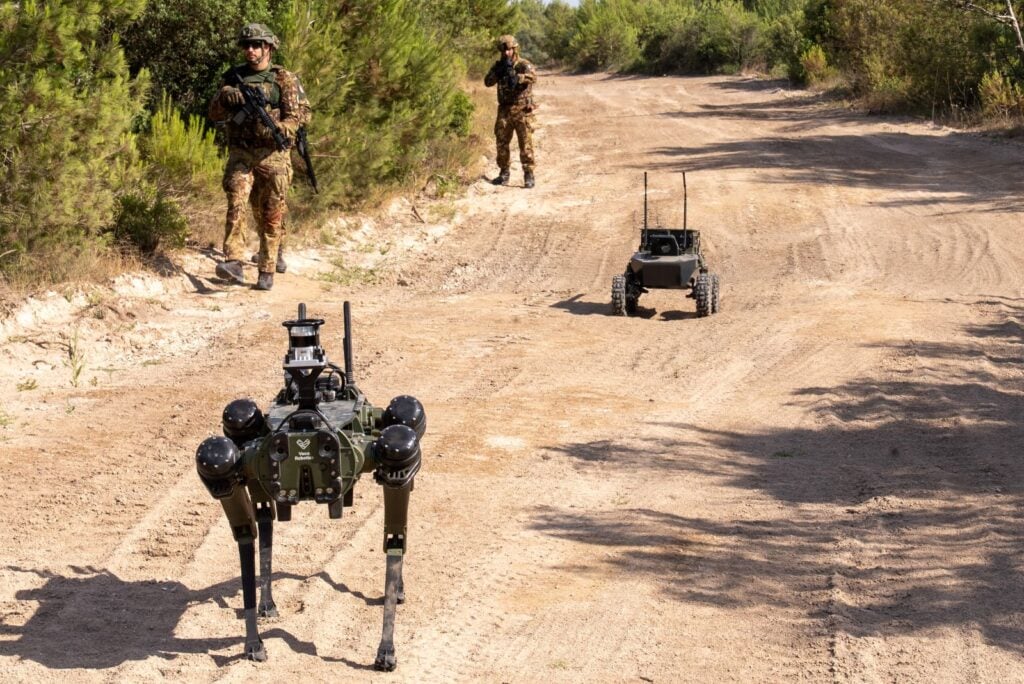
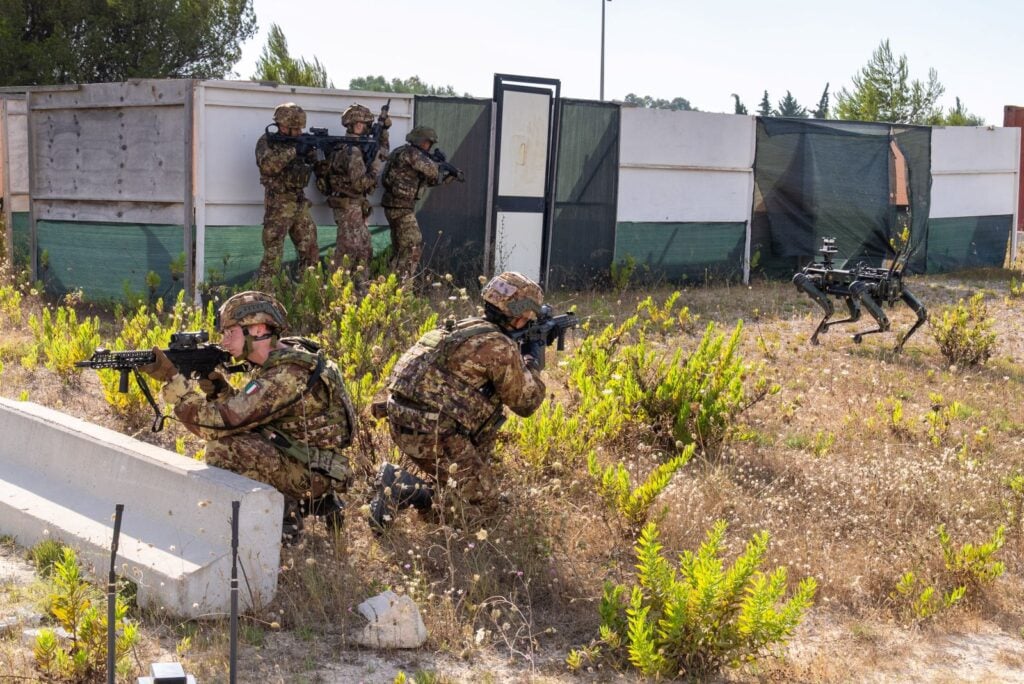
That means bringing together crewed and uncrewed systems under human control into a single operational framework supported by a digital backbone, interoperable command and control, data-sharing arrangements and mission engineering tools. The intent is to allow sensors, platforms and operators to work together more effectively, share information faster, and make better use of available assets.
For the operational team, that integration is central to the value of the experiment.
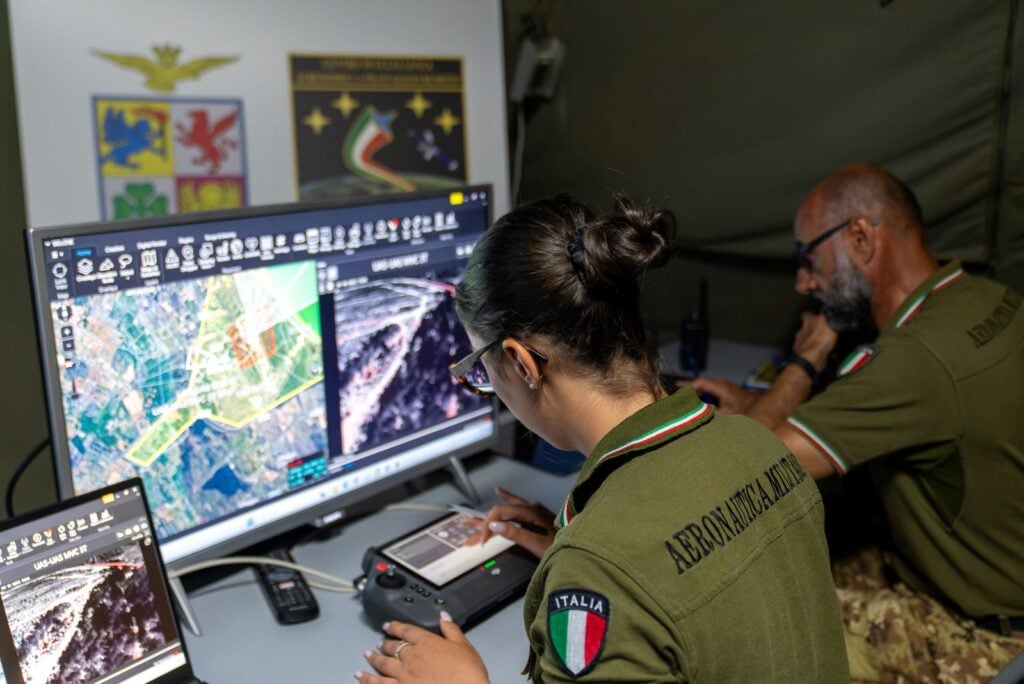
By integrating sensors across all operational domains, from underwater to space, Task Force X-Central Mediterranean fuses multi-domain sensor data from the tactical edge and delivers it to operational and strategic command systems, enhancing situational awareness and enabling faster, more informed decision-making.
– Lt. Col. Pasquale Iorillo, Italian Army
Defence General Staff, General Planning Division
This is where the NATO Task Force X framework becomes especially relevant. Rather than treating innovation as separate from operations, it provides a way to integrate emerging technologies into operationally relevant activity at speed. In the Central Mediterranean, that means exploring how autonomy, interoperability and shared data can contribute directly to multi-domain domain awareness and deterrence by presence.
Captain James Holland, ACT Officer of Primary Responsibility for Task Force X-Central Mediterranean, said the effort demonstrates the practical value of Allied experimentation.
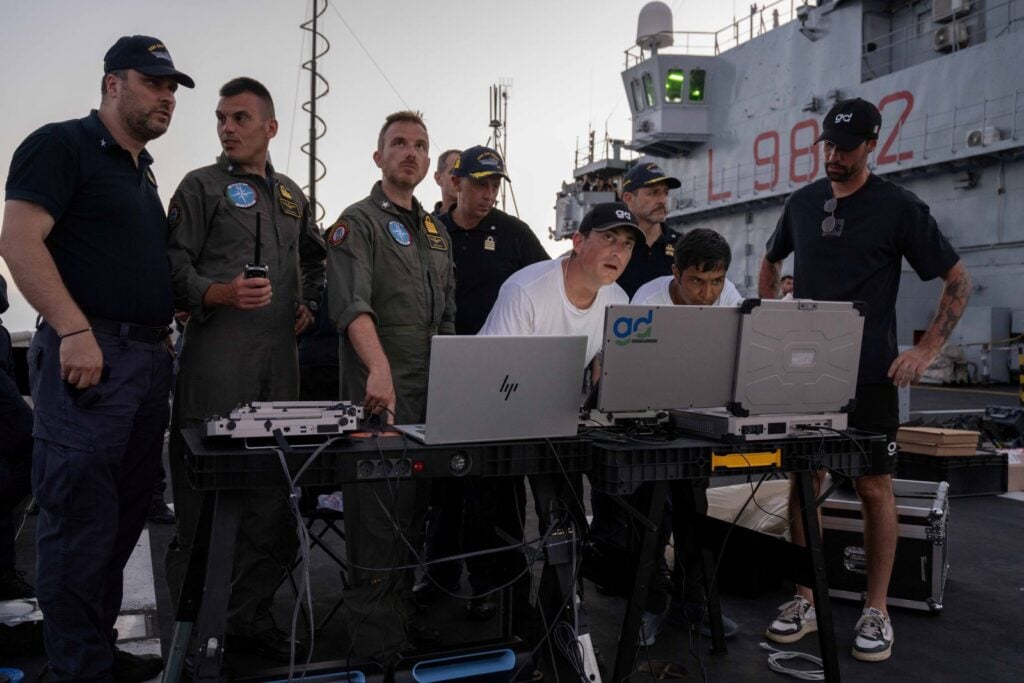
“With Task Force X-Central Mediterranean, we’re showing what Allied experimentation in collaboration with industry can achieve. By bringing together Nations, traditional forces, and new technologies in a realistic, multi-domain setting, we’re turning promising concepts into capabilities that will strengthen interoperability among Allies and make sure our innovation delivers real operational value for NATO as a whole,” Holland said.
ACT and Italy each play a distinct role in delivering Task Force X-Central Mediterranean
ACT provides strategic direction and oversight, and Italy provides the tactical leadership, operational framework, and integration into Allied multi-domain activities. Together, that brings strategic purpose, technical experimentation and operational testing into the same effort. The experimentation and its outcomes contribute directly to strengthening awareness in the Central Mediterranean.
Supporting NATO’s posture in the region
Task Force X-Central Mediterranean also supports NATO’s broader awareness in the region. NATO regularly conducts maritime security operations, including Operation Sea Guardian and Aegean Activity. Task Force X-Central Mediterranean is testing the next generation of dual-use technologies that can be used for NATO multi-domain situational awareness and security along NATO’s Southern Flank.
Building on the work of Task Force X–Baltic, Task Force X-Central Mediterranean expands the project’s focus to the Central Mediterranean, where persistent intelligence, surveillance and reconnaissance and improved multi-domain situational awareness are increasingly critical. It demonstrates how NATO Nations are taking leadership on innovation and rapid adoption programmes based on ACT’s approach in Task Force X-Baltic. That makes the project important beyond any single trial. It supports the broader goal of building a more cohesive picture of NATO’s Southern Flank while accelerating interoperability and practical capability development.
With ACT providing oversight and Italy leading operational and tactical testing, Task Force X-Central Mediterranean shows how NATO can translate rapid innovation into operational advantage along NATO’s Southern Flank.