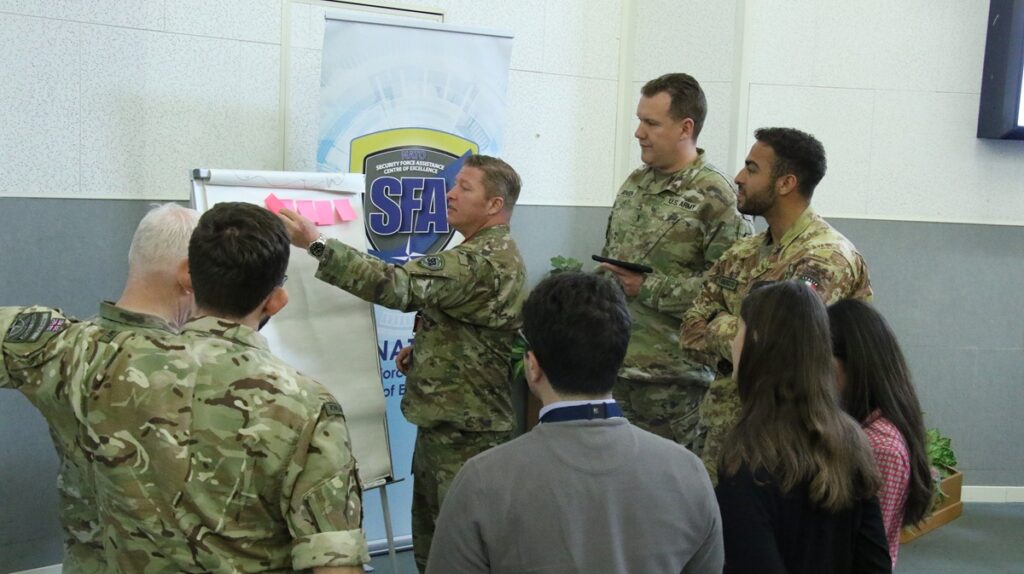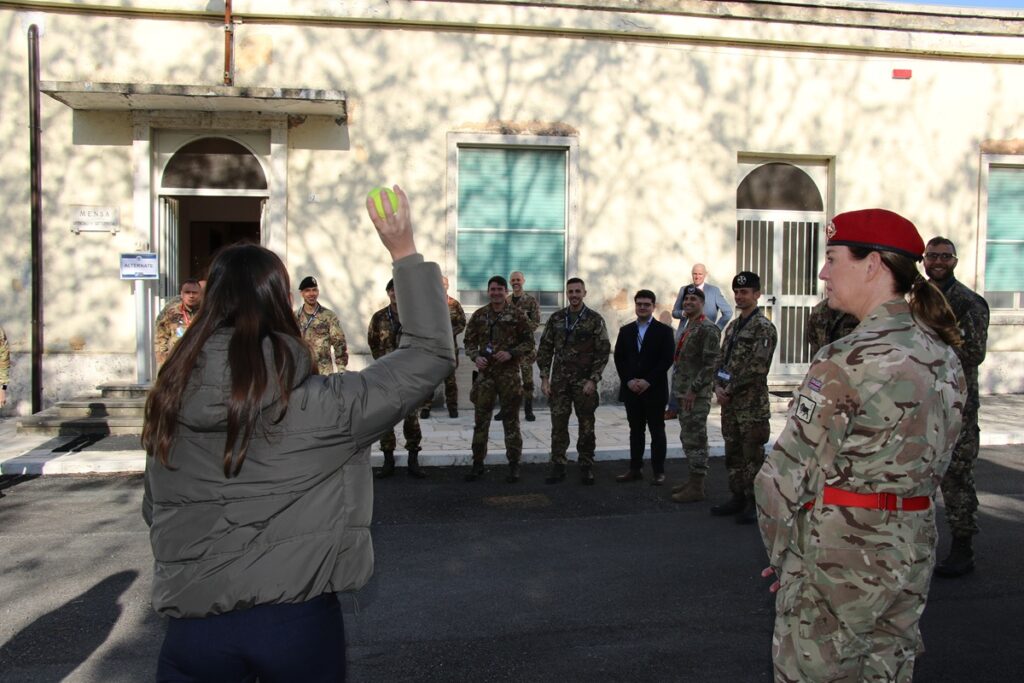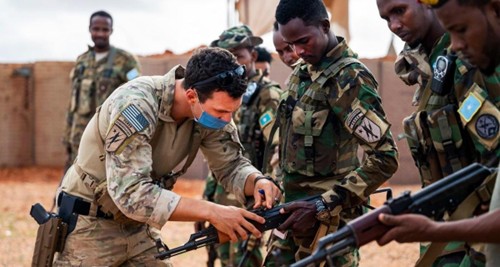
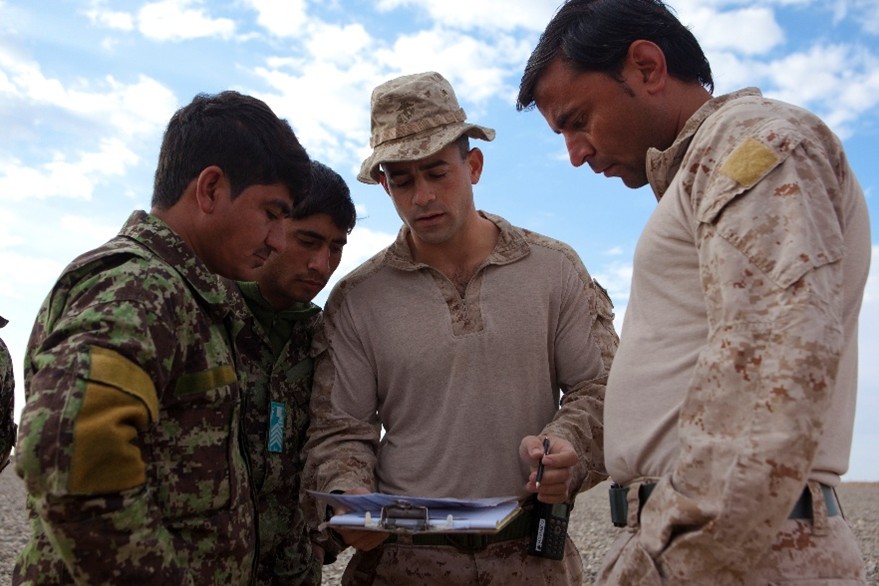
Cultural complexity remains one of the most persistent challenges in NATO’s Security Force Assistance (SFA) missions. Success in these missions hinges not just on operational expertise, but on the ability of advisors to build trust and communicate effectively across cultural divides. Recognizing this need, the NATO Security Force Assistance Centre of Excellence is developing a new analysis report titled A Cross-Cultural Examination: Enhancing Advising Through Intercultural Communication and Cultural Mediation. The Centre is also preparing a practical handbook to further support advisors in the field.
Foundations of Intercultural Competence
The report defines intercultural competence as the ability to communicate and act effectively and appropriately across cultural contexts. It emphasizes that this is not a static skill, but a dynamic interplay of attitudes, knowledge, and behaviours. Key attributes include empathy, adaptability, and respect which are essential for building legitimacy and rapport in unfamiliar environments. The analysis explores cultural dimensions such as religion, gender, language, and socioeconomic norms, equipping advisors with a practical understanding of the operational impact of cultural nuance.
Communicating Across Boundaries
To support this understanding, the report introduces frameworks to guide intercultural dialogue. The Narrative Paradigm and Face Negotiation Theory are highlighted as useful tools to promote mutual understanding and shared purpose. These models help advisors navigate situations where meaning is mutually shaped, where face-saving behaviours matter, and where missteps can erode local trust and credibility.
Innovative Training for a Complex Mission Set
A central focus of the report is the development of innovative training solutions. The Centre of Excellence is exploring how emerging technologies can be integrated into advisor preparation. Proposed solutions include immersive virtual reality simulations, which allow advisors to experience and respond to culturally charged scenarios in real time; chatbots for role-based training and skill reinforcement; and natural language processing tools to support more culturally appropriate messaging and interpretation.
These efforts are designed not only to prepare advisors intellectually, but to build muscle memory for intercultural engagement. By simulating complex interactions, advisors can better develop the sensitivity and fluency required for success in diverse operating environments.
Toward a More Culturally Fluent Force
The NATO-accredited Security Force Assistance Centre of Excellence aims to provide NATO with a foundational reference for refining the role of intercultural competence in advising missions. The upcoming handbook and report will serve as both academic resource and operational guide, supporting NATO efforts to enhance advisor training models, improve mission readiness, and increase cultural fluency across the force.
By addressing communication, mediation, and cultural adaptation as mission-critical competencies, the Centre seeks to improve both immediate operational outcomes and the long-term impact of NATO advising efforts around the world.