The second NATO Open Innovation Conference & Expo – or NOICE – convened in Copenhagen this week, drawing close to 300 participants from NATO Allied and partner nations, including Ukraine. The event focused on addressing pressing security challenges across the Baltic and Arctic regions while underscoring NATO’s steadfast support for Ukraine in the face of ongoing aggression by Russia.
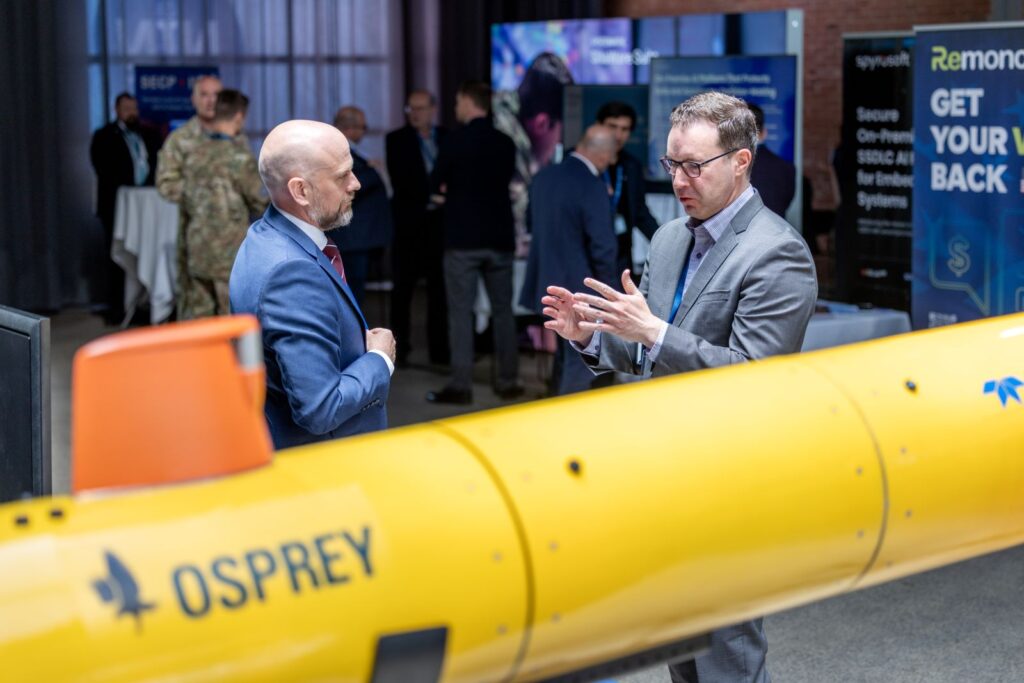
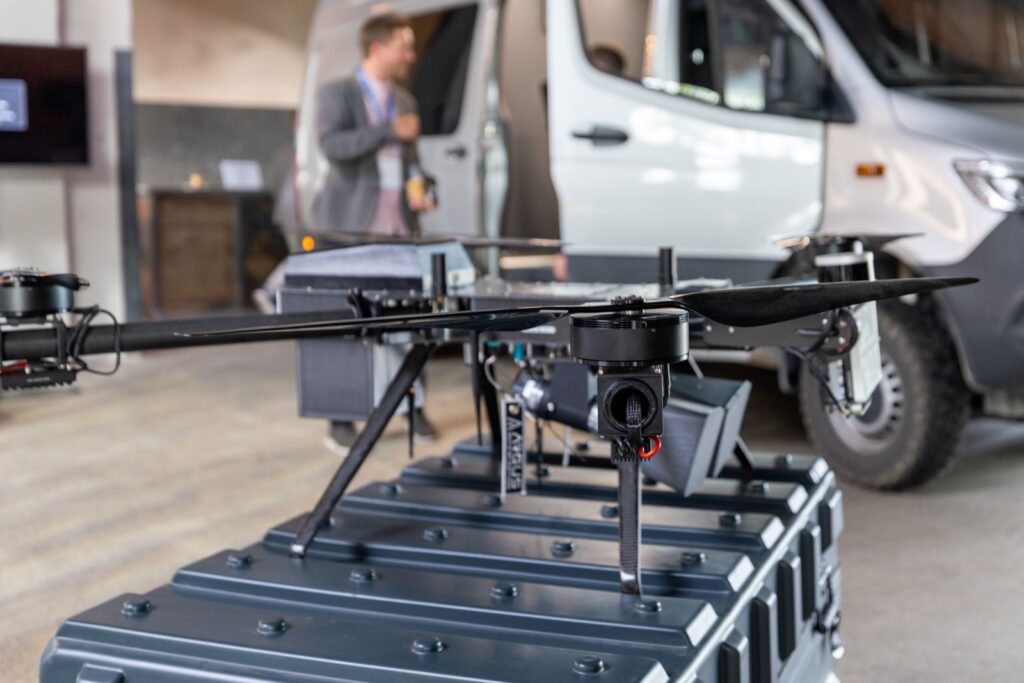
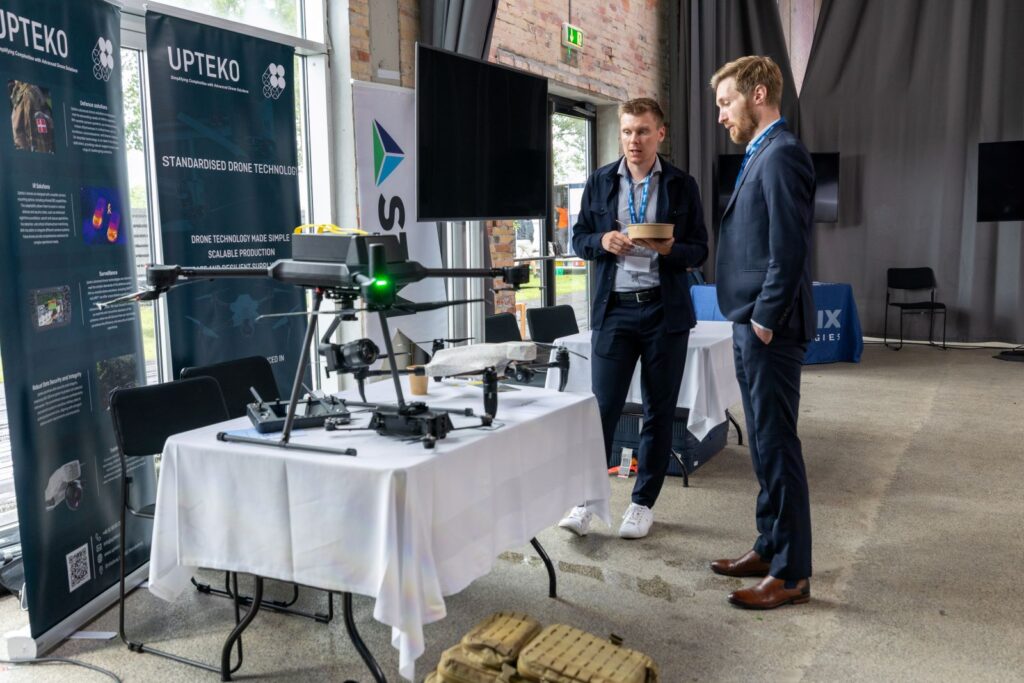
Hosted by NATO Allied Command Transformation, the event brought together military innovation practitioners, industry representatives, academia, and Ukrainian industry partners. The conference format facilitated cross-sector collaboration between military, industry, and academic stakeholders, creating a robust innovation ecosystem that leverages diverse expertise to address complex security challenges. Exhibitors presented technologies across the full innovation spectrum, from conceptual designs to combat-proven systems. They emphasized artificial intelligence integration and tools ready for immediate operational deployment.
Key examples of exhibited solutions included:
- AI-based software for Information environment analysis and informed decision making;
- Mobile autonomous surveillance systems for border security and critical security infrastructure protection;
- Cybersecurity solutions;
- Cost effective counter-drone systems;
- Uncrewed surface vehicles for intelligence, surveillance and reconnaissance;
- Underwater intelligence systems leveraging magnetic sensors to protect offshore and seabed infrastructure;
- Advanced telecommunications systems;
- Innovative medical solutions for blood transport and infection prevention.
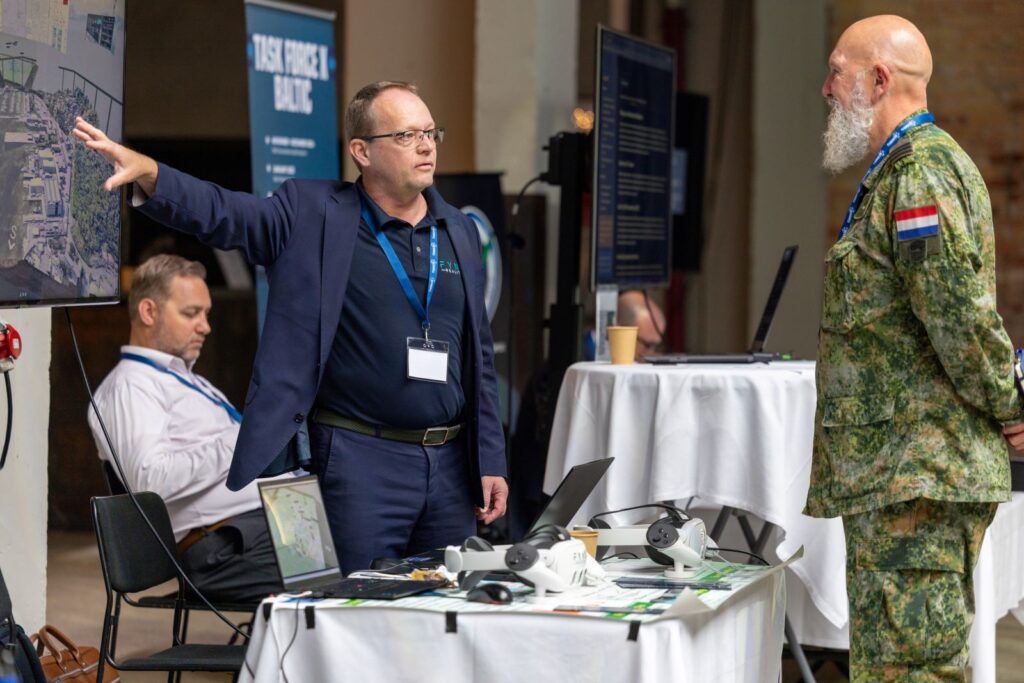
Additionally, the event showcased Allied Command Transformation’s flagship rapid adoption initiative, Task Force X, which is a specialized program launched in early 2025 to enhance maritime security through autonomous systems and artificial intelligence integration. Task Force X exemplifies NATO’s commitment to swiftly operationalizing and integrating emerging technologies into naval operations, particularly focusing on Intelligence, Surveillance, and Reconnaissance capabilities while protecting critical undersea infrastructure in regions like the Baltic Sea.
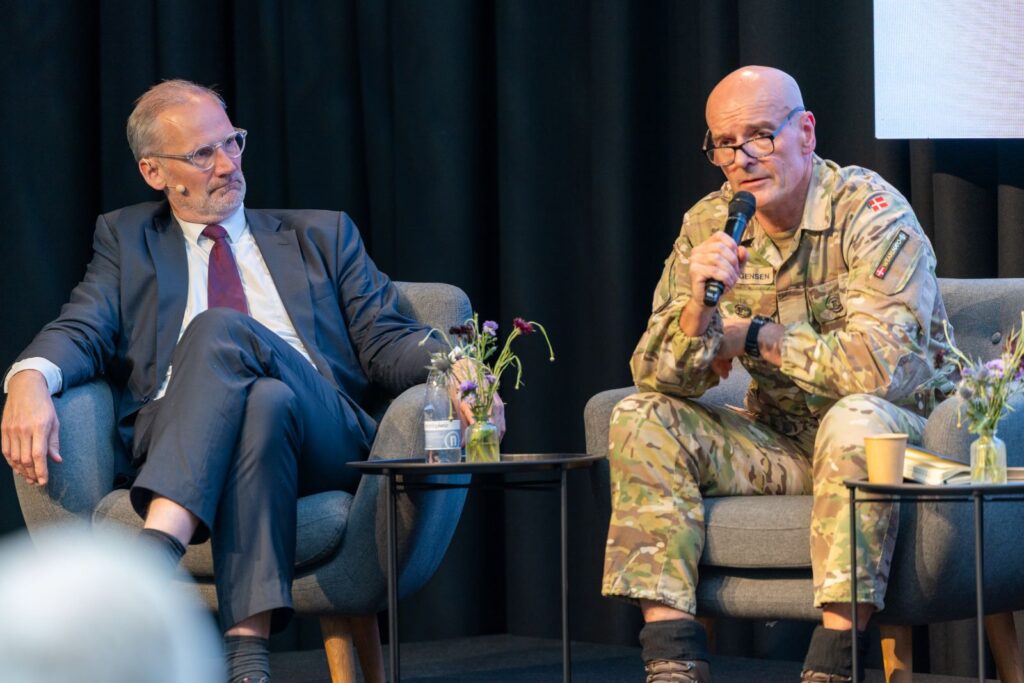
Speaking at the conference in Copenhagen, the Assistant Secretary General of Innovation, Hybrid & Cyber, Mr. Ellerman-Kingombe, remarked: “The Task Force X framework will be further expanded to allow for the creation of more Task Force X pilots in different geographical areas and domains.”
Through initiatives such as Task Force X, Allied Command Transformation is dramatically reducing technology adoption cycles through rapid experimentation and agile development processes. This approach ensures NATO forces can quickly leverage innovative solutions while maintaining interoperability across all member nations. The emphasis on bridging military and commercial technologies maximizes return on investment and accelerates capability development. “We definitely need to increase the resilience of our traditional defence industrial base but also include non-traditional suppliers that offer many of the new tech solutions” noted Mr. Ellerman-Kingombe stressing the importance of integrating both traditional and emerging players in defence innovation.
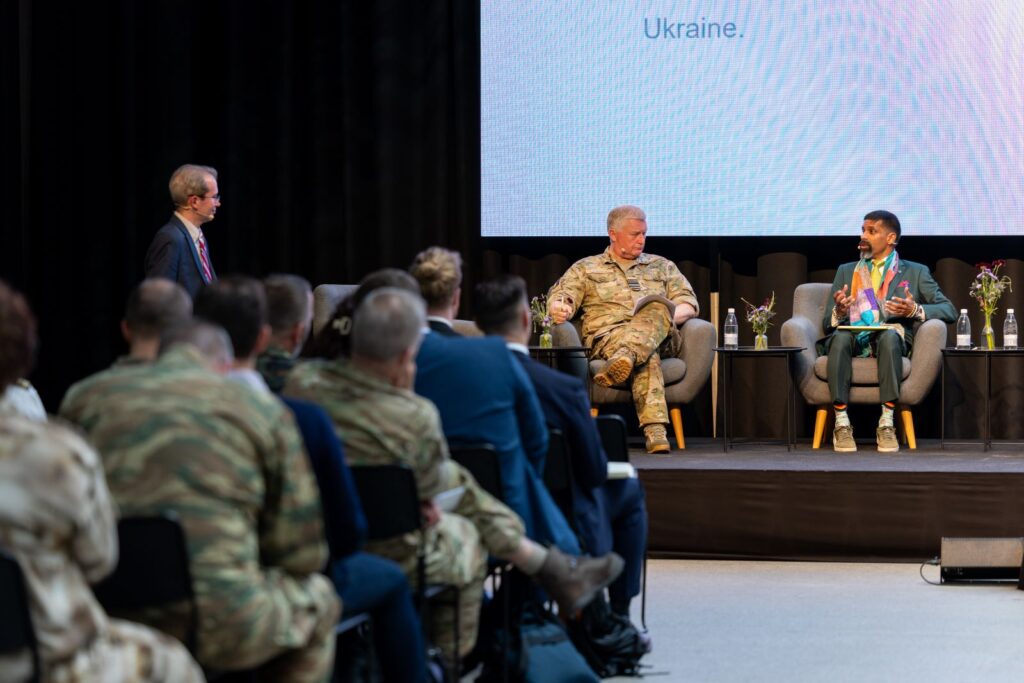
The Ukrainian participation at the event underscored NATO’s commitment to supporting Ukraine through dedicated innovation partnerships that enhance interoperability and technological capabilities. These collaborative efforts strengthen both Ukraine’s defence posture and overall European security through shared technological advancement. Alongside these strategic collaborations, participants engaged in an immersive VR experience set in a reconstructed war shelter. The experience brought to life the daily reality of Ukrainians living under constant threat, offering a glimpse into the resilience, fear, and hope that define everyday life in a war zone.
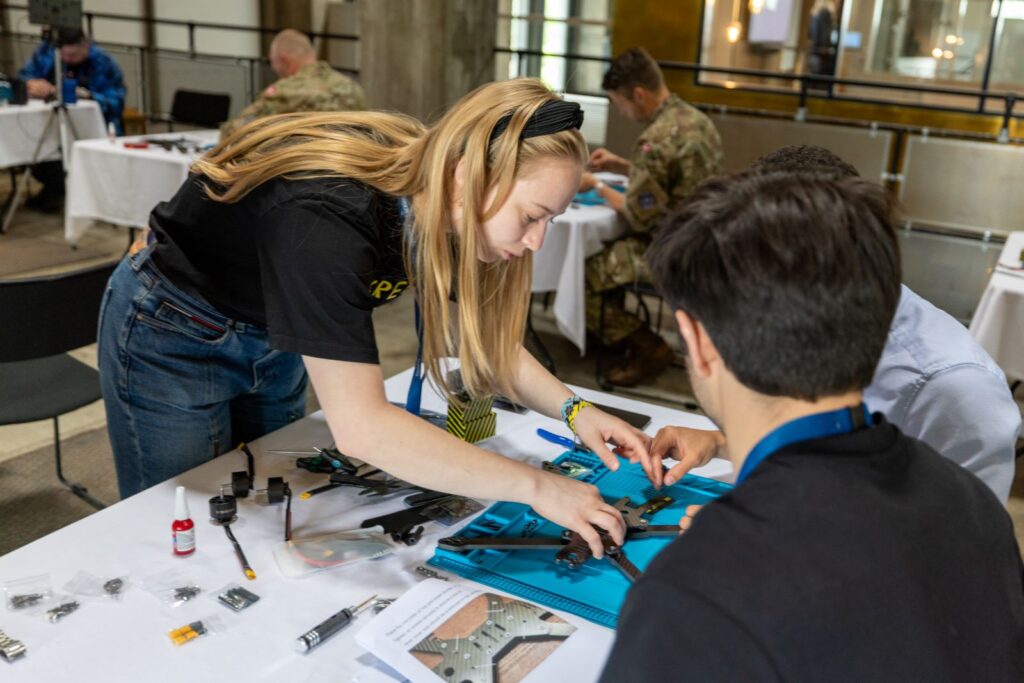
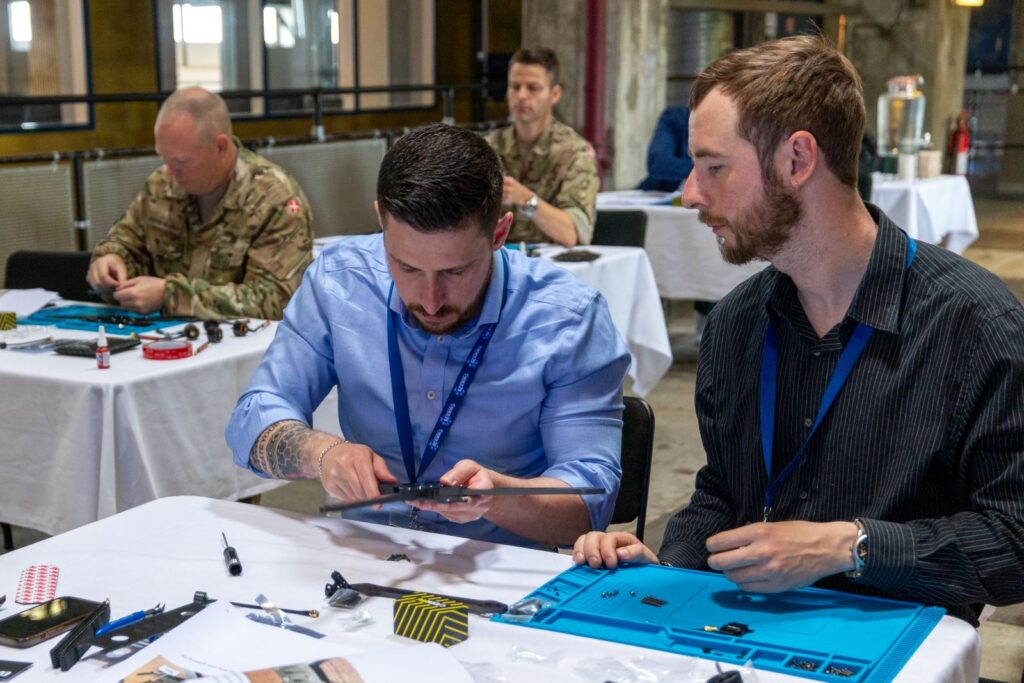
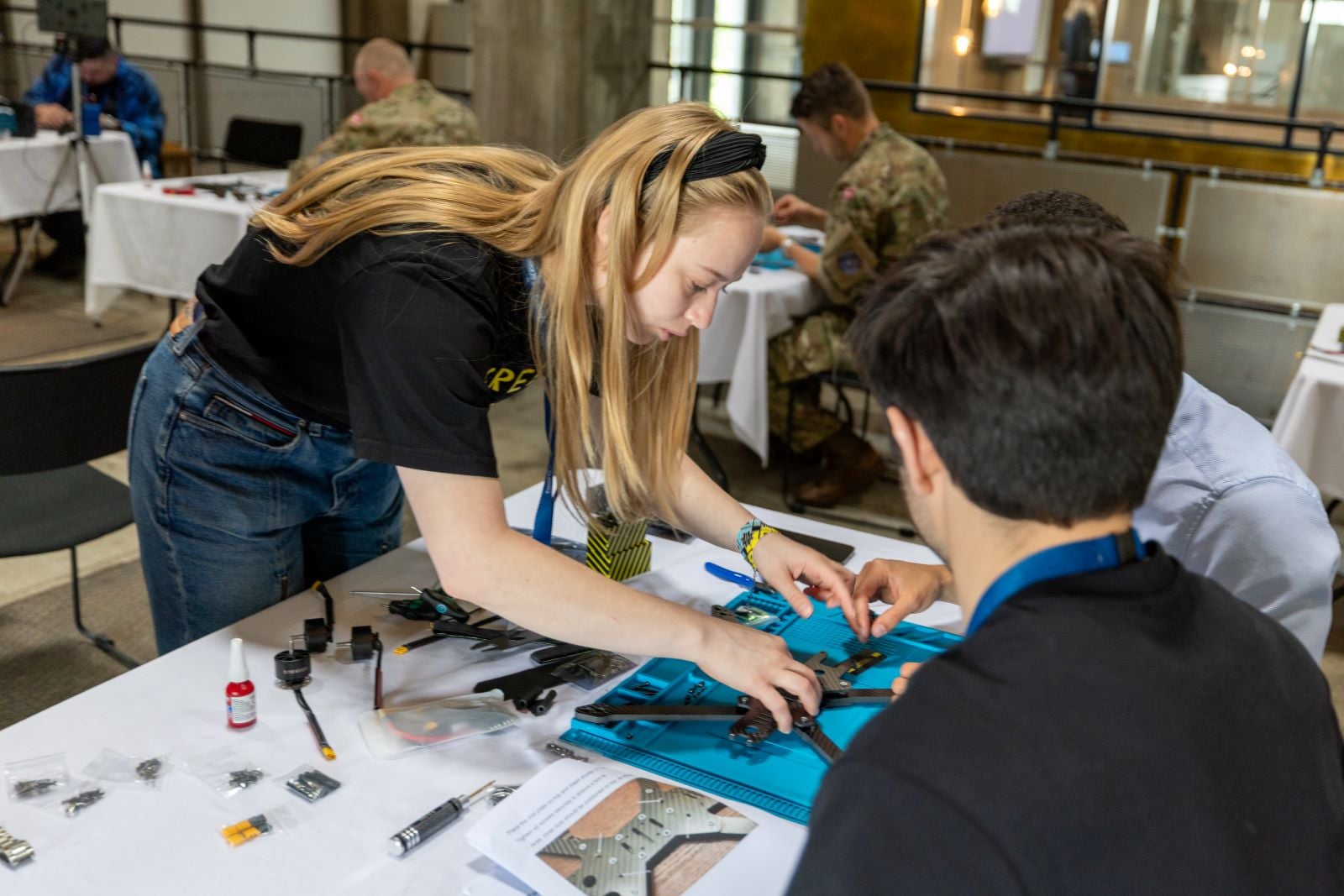
Workshop sessions at the event allowed innovators to refine skills, explore alternative thinking approaches, and foster networking through collaborative exercises. The format provided unique opportunities to share best practices, discuss implementation challenges, present diverse solutions to similar problems, and collect constructive feedback.
Ultimately, the NATO Open Innovation Conference & Expo reinforced the Alliance’s ability to quickly identify, experiment with, and operationalize emerging technologies. It also highlighted the Alliance’s agility in responding to evolving threats through accelerated innovation cycles. The conference demonstrated how strategic technology adoption enables Allied nations to maximize the impact of defence resources, creating force multiplier effects that enhance collective alliance strength.