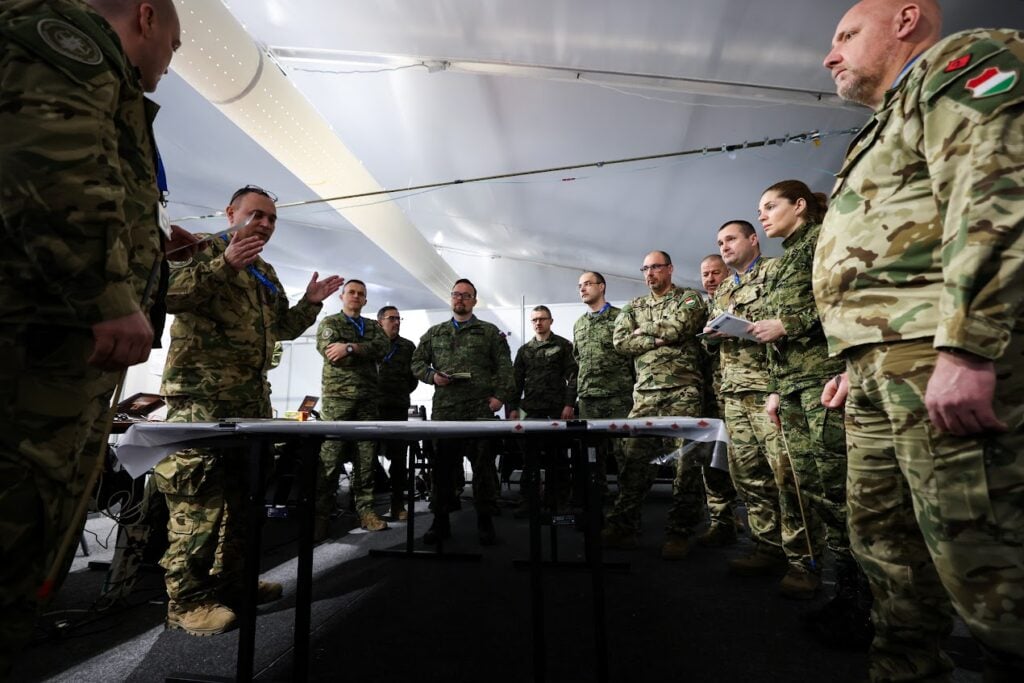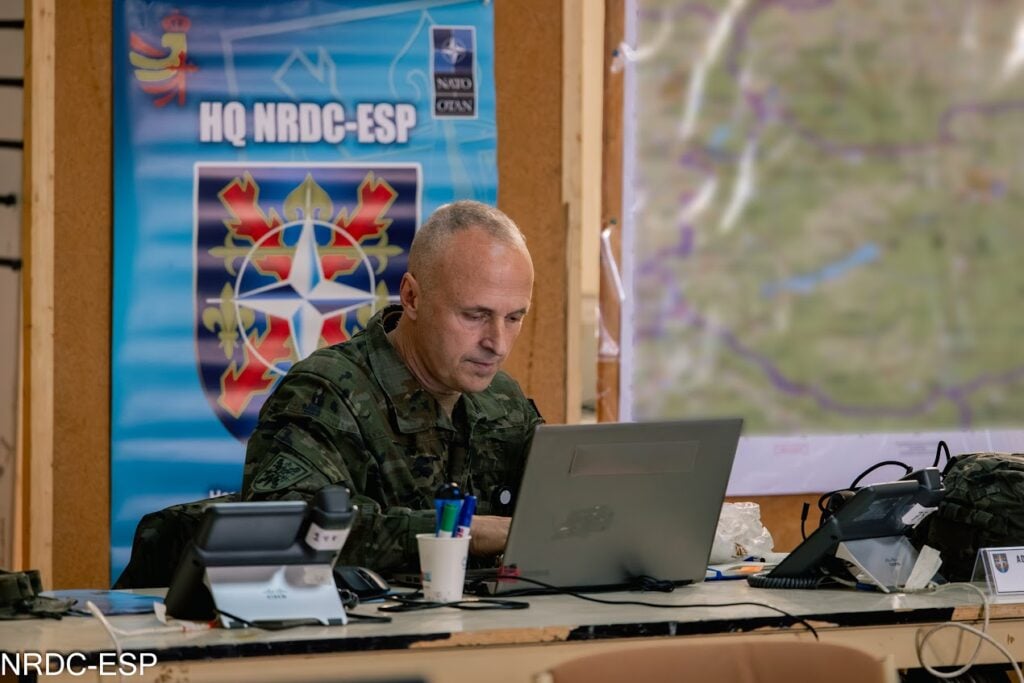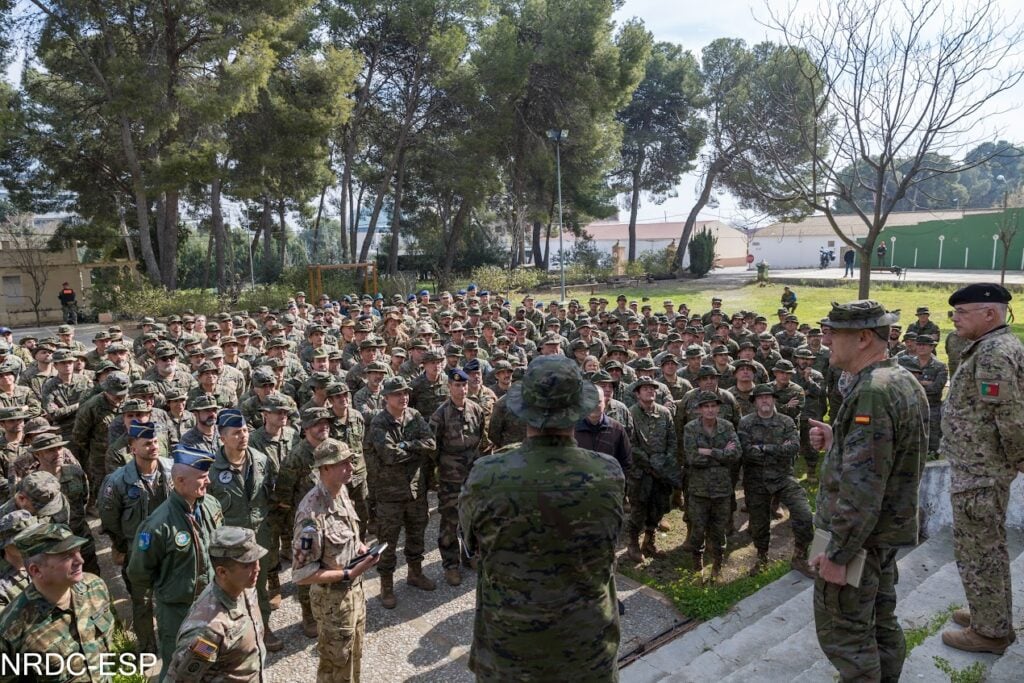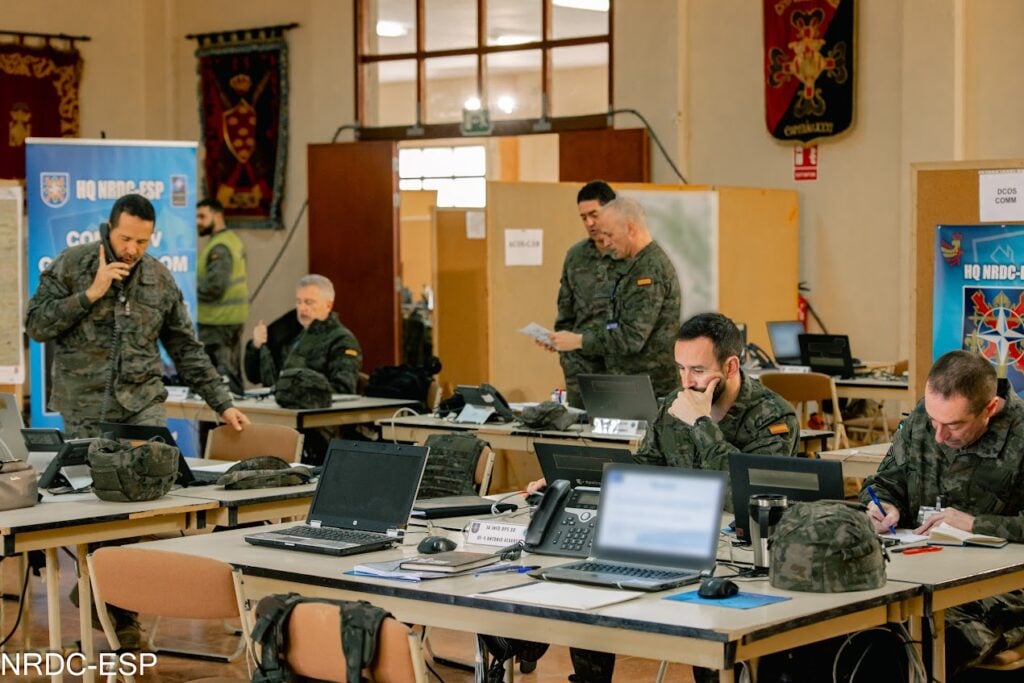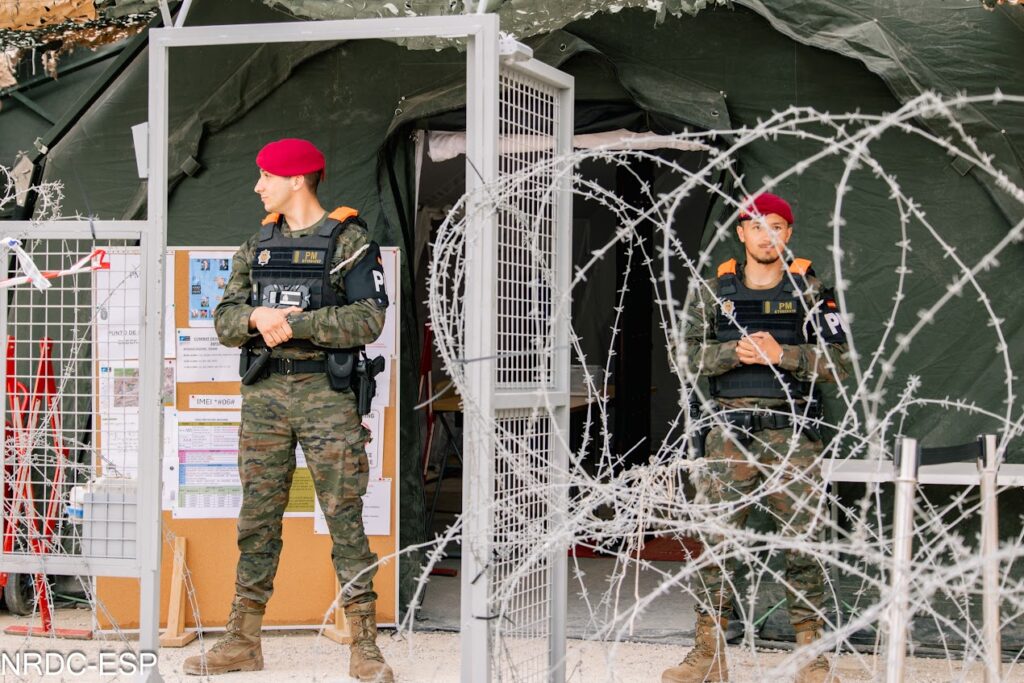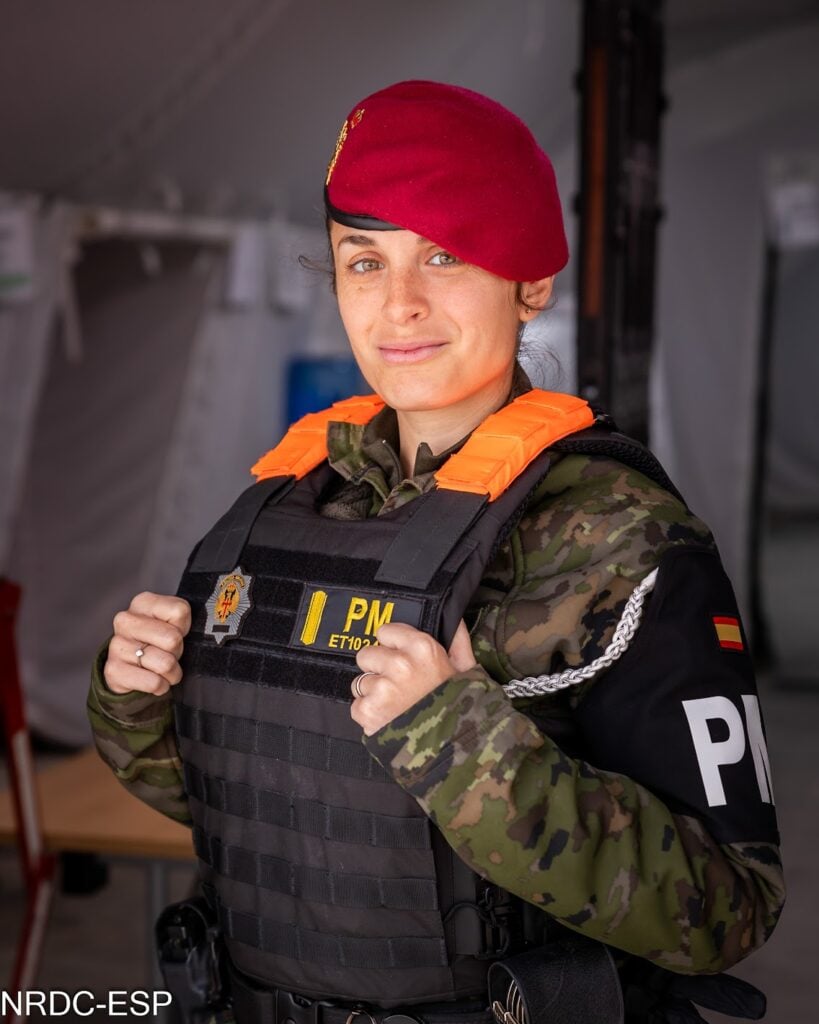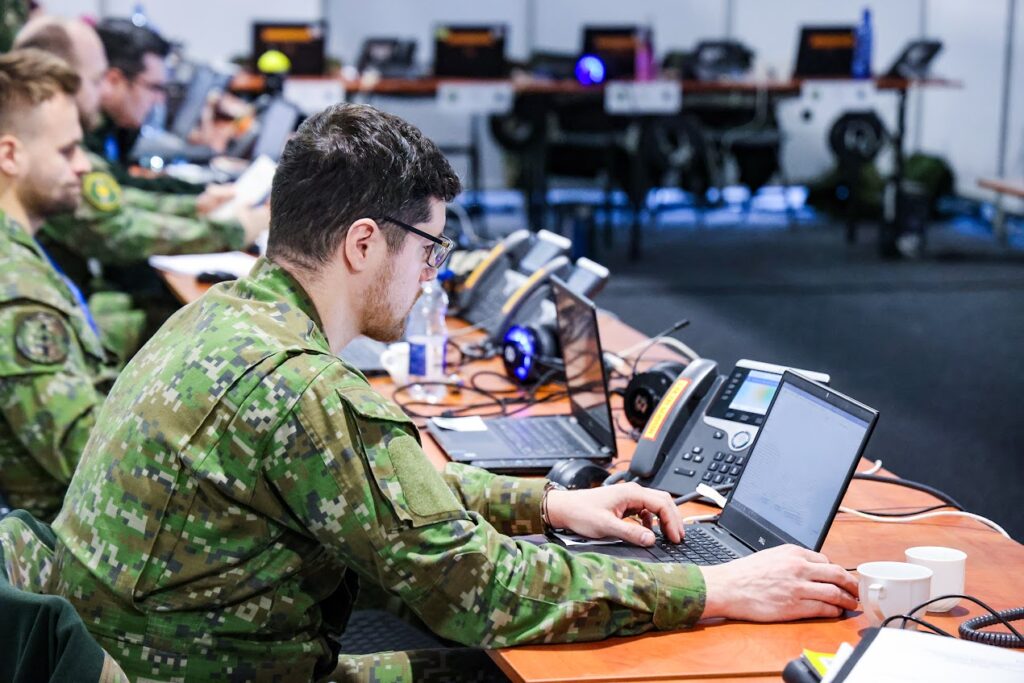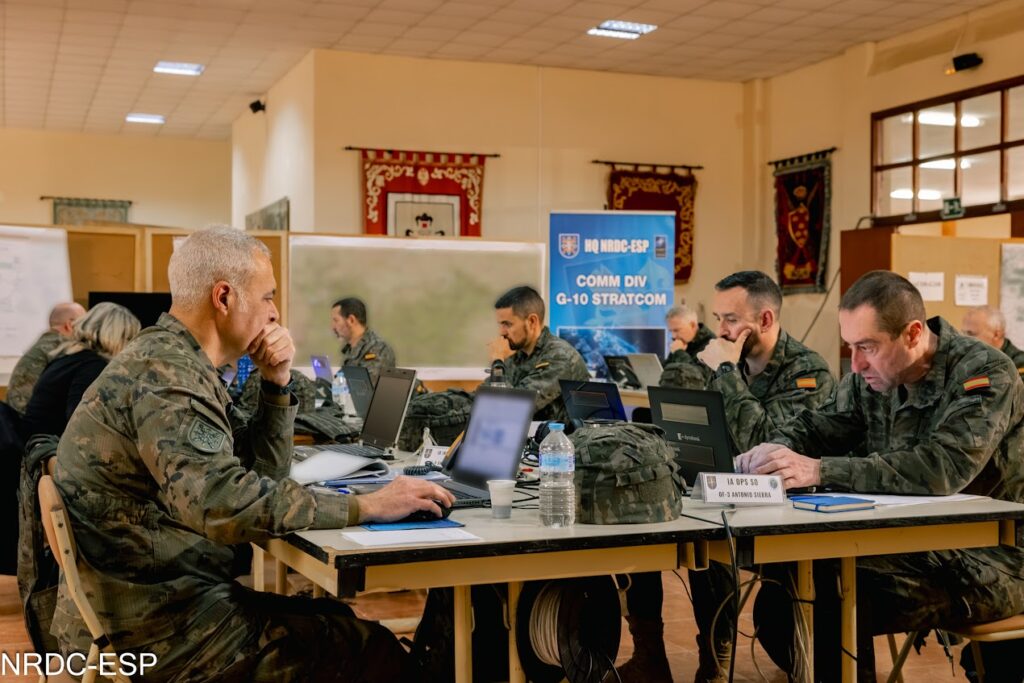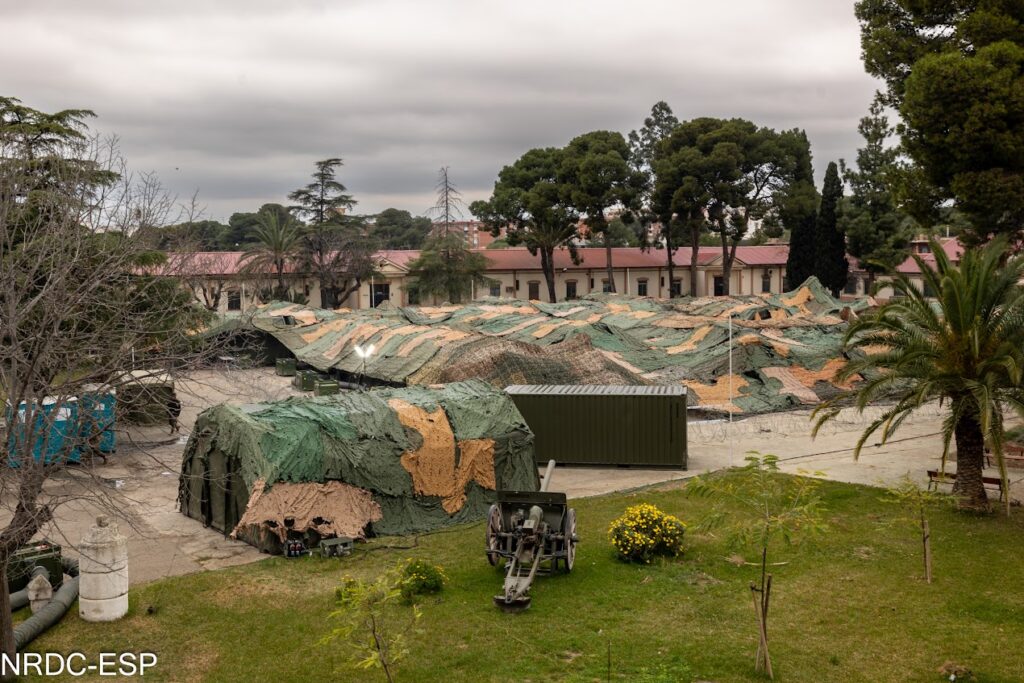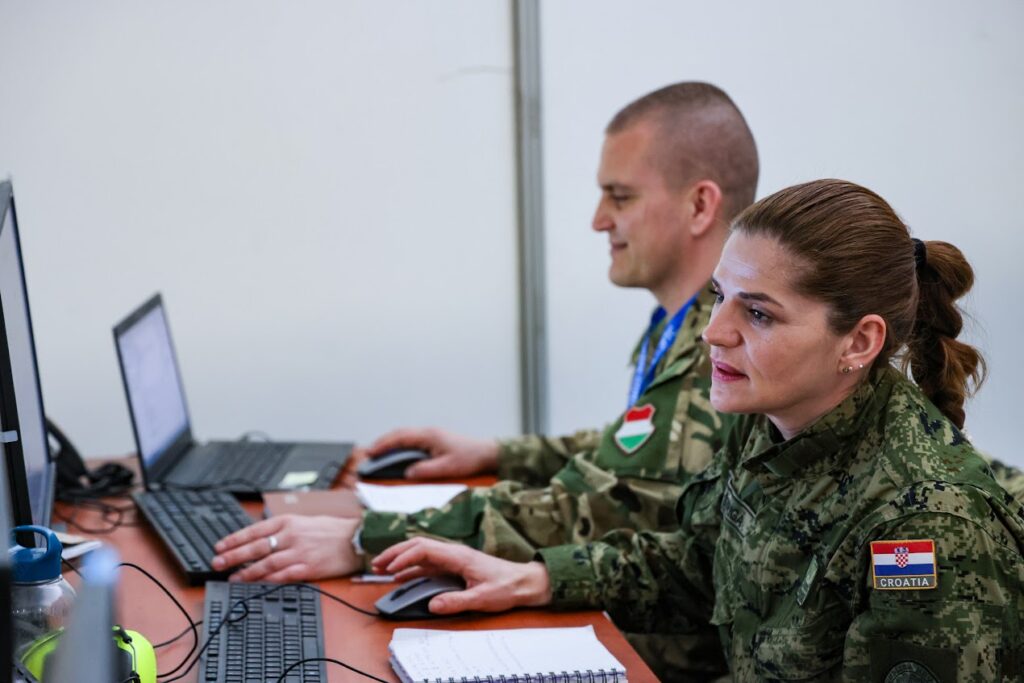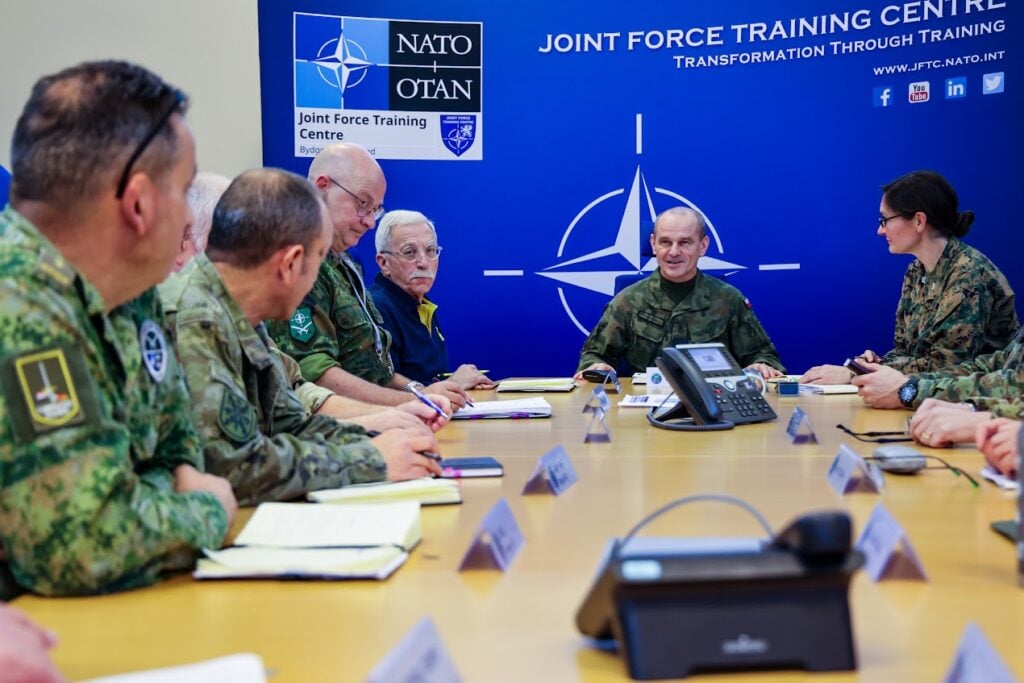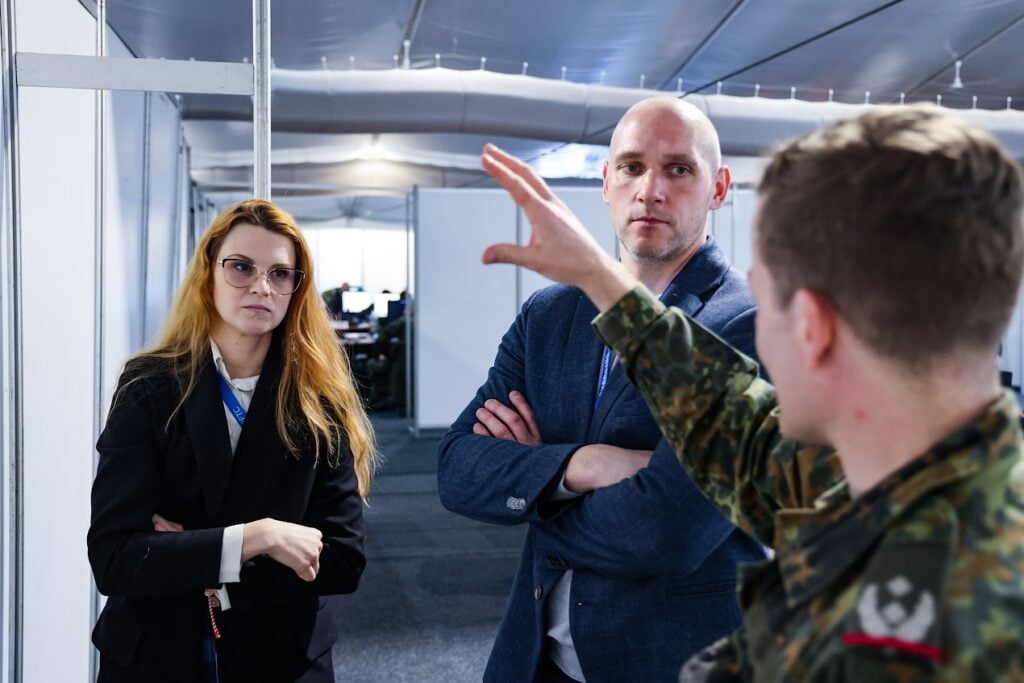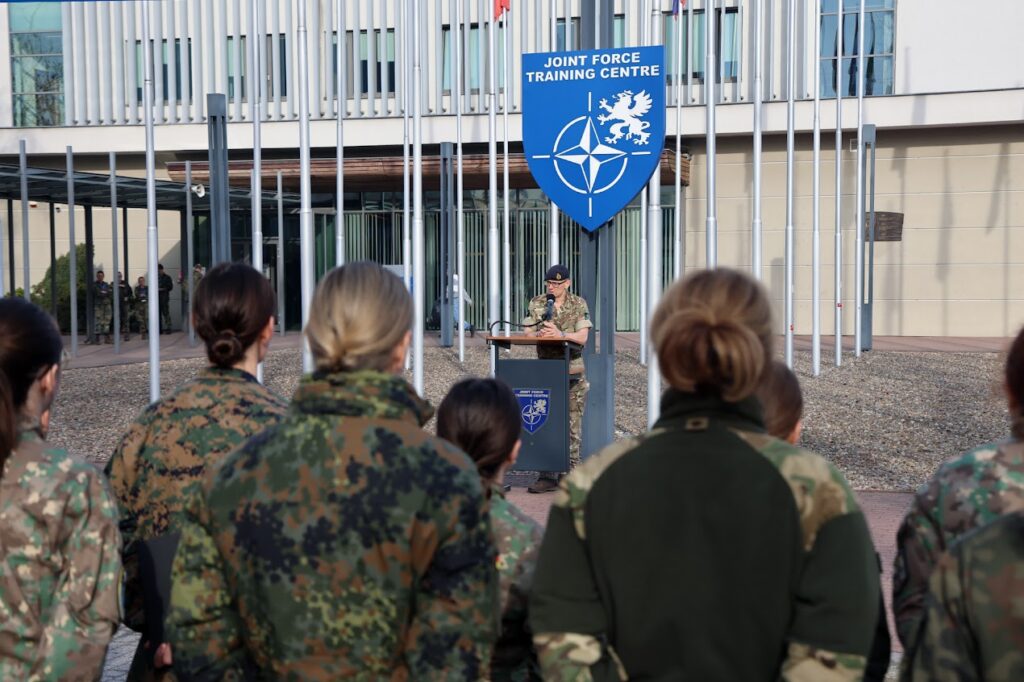
NATO Exercise LOYAL LEDA 2026, conducted from 3 to 12 March, marked another important step in strengthening the Alliance’s readiness, interoperability and ability to deter and defend. As the Officer Directing the exercise, NATO’s Joint Force Training Centre (JFTC), one of Allied Command Transformation’s subordinate commands, brought together four corps headquarters, more than 4,000 warfighters across nine countries, which included nearly 1,000 military and civilian experts from 25 nations in a demanding, high-intensity training environment.
Reflecting on the exercise’s broader impact on Alliance readiness, Major General Bogdan Rycerski, JFTC Commander and Officer Directing the Exercise, said: “LOYAL LEDA 2026 has strengthened NATO’s readiness, our interoperability, and our confidence in one another. It has once again proven that multinational cooperation is not just possible. It is powerful. It has the power to deter our adversaries, and if necessary to defend Alliance territory and people.”
Exercises such as LOYAL LEDA are about more than certifying headquarters or rehearsing procedures. They are a practical demonstration of how NATO is transforming the way it prepares forces, integrates capabilities and builds the readiness required for collective defence. In that sense, LOYAL LEDA 2026 reflects a wider Alliance effort to ensure that NATO’s forces are not only ready for today’s challenges but also adapting for those of tomorrow.
Readiness Through Realistic Training
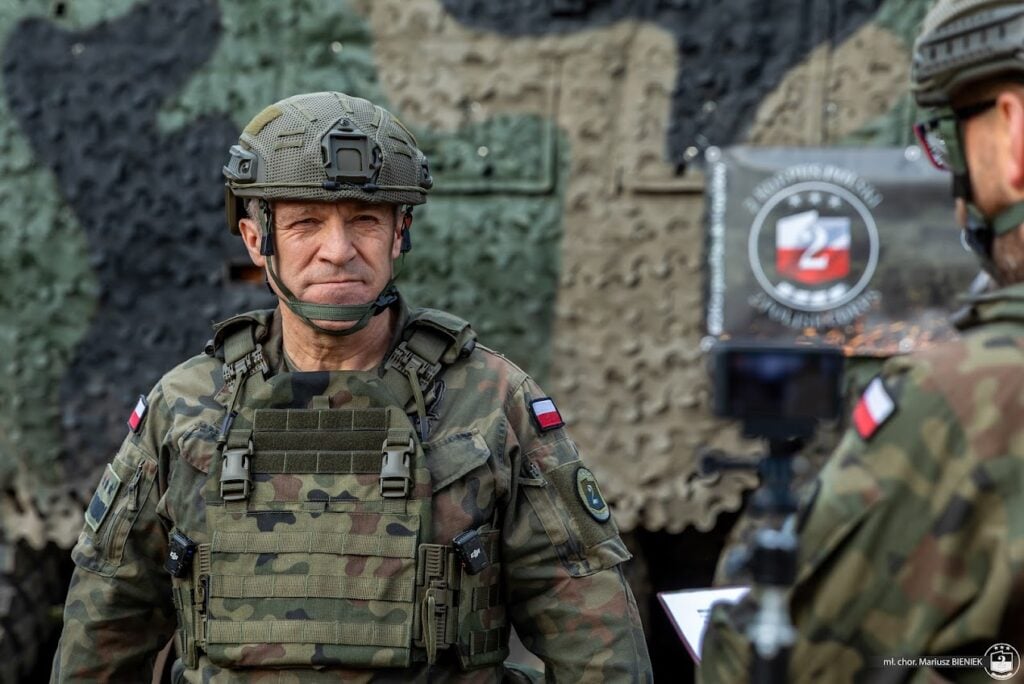
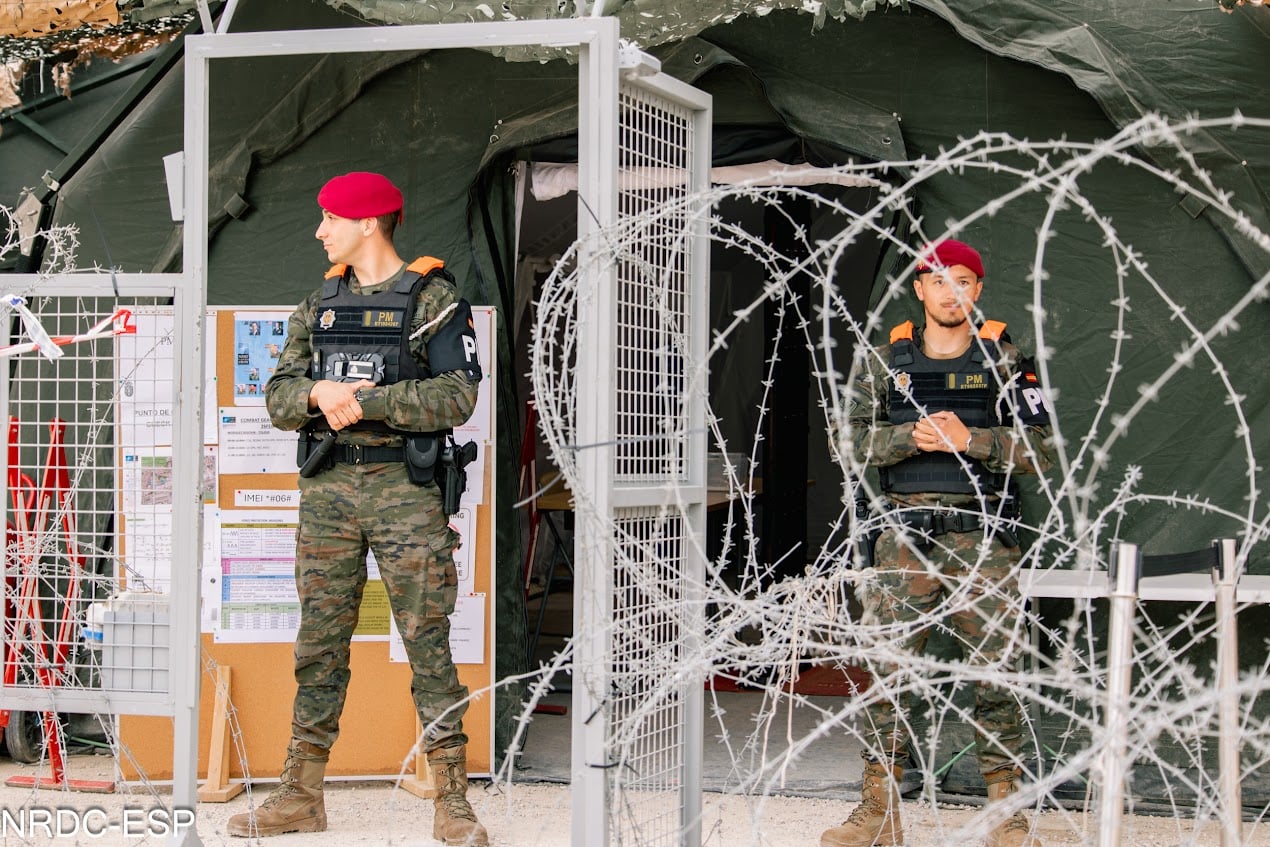
This year’s exercise focused primarily on the combat readiness of Multinational Corps Northeast and NATO Rapid Deployable Corps Spain, both of which successfully completed Combat Readiness Evaluation. At the same time, the 1 German-Netherlands Corps and the 2 Polish Corps trained to conduct operations beyond the scope of major joint operations, contributing to the Alliance’s broader warfighting preparedness.
Built around an Article 5 scenario based on actual NATO defence plans, LOYAL LEDA 2026 placed participants in a complex, multi-domain environment spanning land, air, maritime, space and cyber. That realism matters. It is through this kind of demanding training that NATO headquarters can test procedures, identify shortfalls, strengthen interoperability, and improve their ability to operate together under pressure.
Supporting NATO’s Training Transformation
This is part of a much broader transformation focus. The Alliance’s approach to training is increasingly shaped by the need to operate across domains, incorporate new technologies, and create learning environments that better reflect the speed, complexity, and uncertainty of the modern security environment. LOYAL LEDA 2026 is one example of how that shift is taking place in practice.
It also aligns with the broader direction of Audacious Training, a joint “Bi-SC” effort led by NATO’s two strategic commands: Allied Command Operations and Allied Command Transformation, to improve how NATO designs, delivers and evolves training for the future. While Audacious Training has emphasized the role of innovation, digitization and new tools in exercise planning and execution, exercises like LOYAL LEDA demonstrate the operational value of that ambition by making training more realistic, more integrated and more effective in support of Alliance readiness.
JFTC’s Role in Delivering Transformation
JFTC’s role in delivering LOYAL LEDA 2026 also underscores the importance of NATO’s training enterprise in driving transformation. As one of ACT’s subordinate commands, JFTC plays a critical role in turning strategic priorities into operationally relevant training. Its work helps ensure that transformation is not confined to concept development but translated into practical outcomes that strengthen the Alliance’s deterrence and defence posture.
As NATO continues to prioritize readiness, interoperability and land force transformation, LOYAL LEDA 2026 stands as a strong example of how the Alliance is preparing its forces for high-end operations in an increasingly contested environment. More broadly, it shows how NATO training is evolving: not only to validate readiness, but to accelerate adaptation across the Alliance.
Readiness, Innovation and Adaptation
For Brigadier General Zoltan Barany, JFTC Deputy Commander and Chief of Staff, the exercise reflects both the growing ambition of the LOLE series and its direct relevance to Alliance preparedness: “LOYAL LEDA 2026 directly contributes to NATO’s readiness and our collective ability to operate together. This is not only the biggest exercise in the LOLE series so far, it is also the most complex and realistic, with new elements being introduced, including the newest command and control system and advanced simulations.”
Through efforts like LOYAL LEDA 2026, NATO continues to reinforce a simple message: readiness is built through rigorous training, innovation must be tied to operational need, and transformation only matters when it strengthens the Alliance’s ability to deter and defend.