
NATO’s ability to counter emerging uncrewed aerial system (UAS) threats depends not only on technology, but on how effectively the Alliance can integrate, test, and adapt that technology in realistic conditions. That is the purpose behind the Layered Counter-UAS Initiative (LCI-X), one of Allied Command Transformation’s Beacon Projects. The new Crucible Series was created to help turn that effort into interoperable counter-UAS capability.
Hosted by Romania at Capu Midia Training Range this month as a part of Exercise Eastern Phoenix 26, Crucible 1-26 marked the first event in the LCI-X series. Organized by the Romanian Ministry of National Defence with NATO Allied Command Transformation (ACT), it brought together around 500 personnel and roughly 215 technical systems in a structured experimentation environment designed to move promising capability more quickly from demonstration toward operational relevance.
The event was significant not only for its scale, but also for the breadth of participation behind it. As one of ACT’s Beacon Projects, LCI-X reflects the command’s focus on initiatives with the potential to accelerate capability development for the Alliance. NATO ACT led the initiative with support from the NATO-Ukraine Joint Analysis, Training and Education Centre (JATEC). Romania contributed around 250 personnel from across its armed forces, joint commands, and defence agencies, while industry partners added another 250 personnel. In total, the event brought together participants from 21 Allied nations through national representation, participating companies and defence-industry delegations.
What was tested on the range
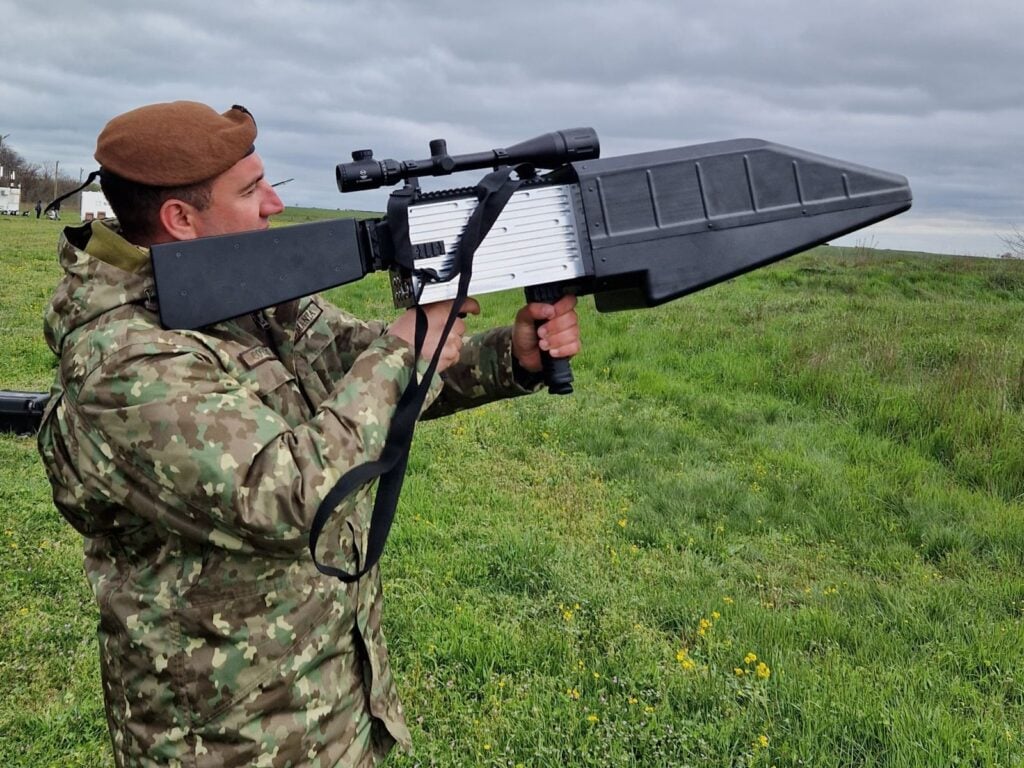
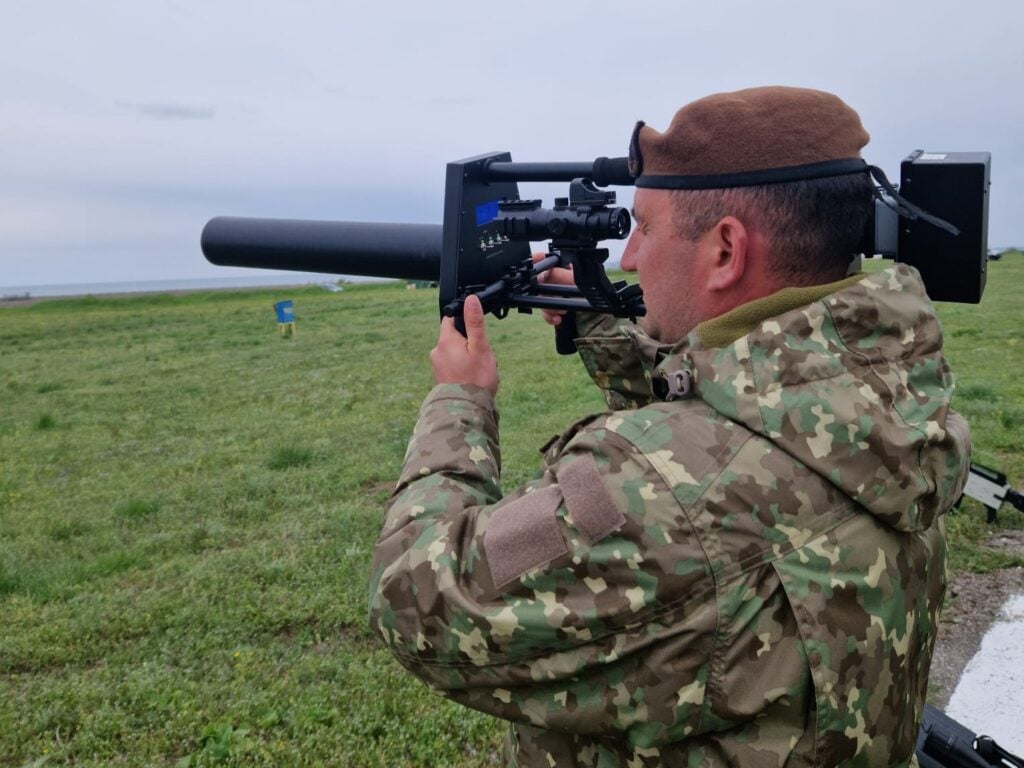
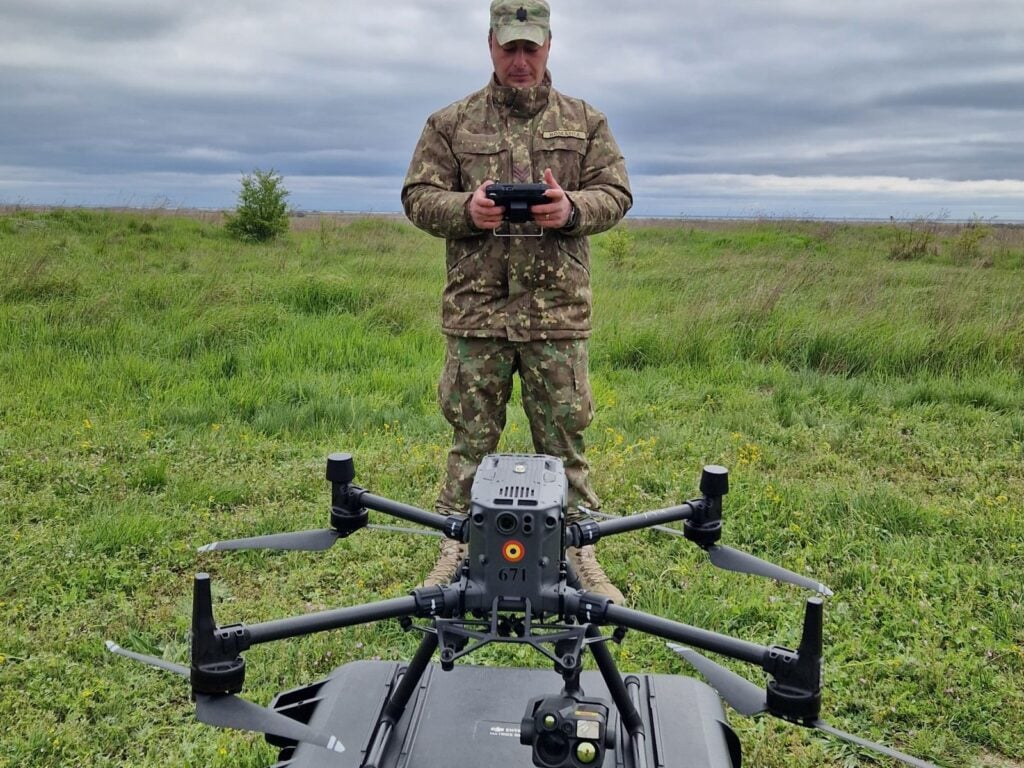
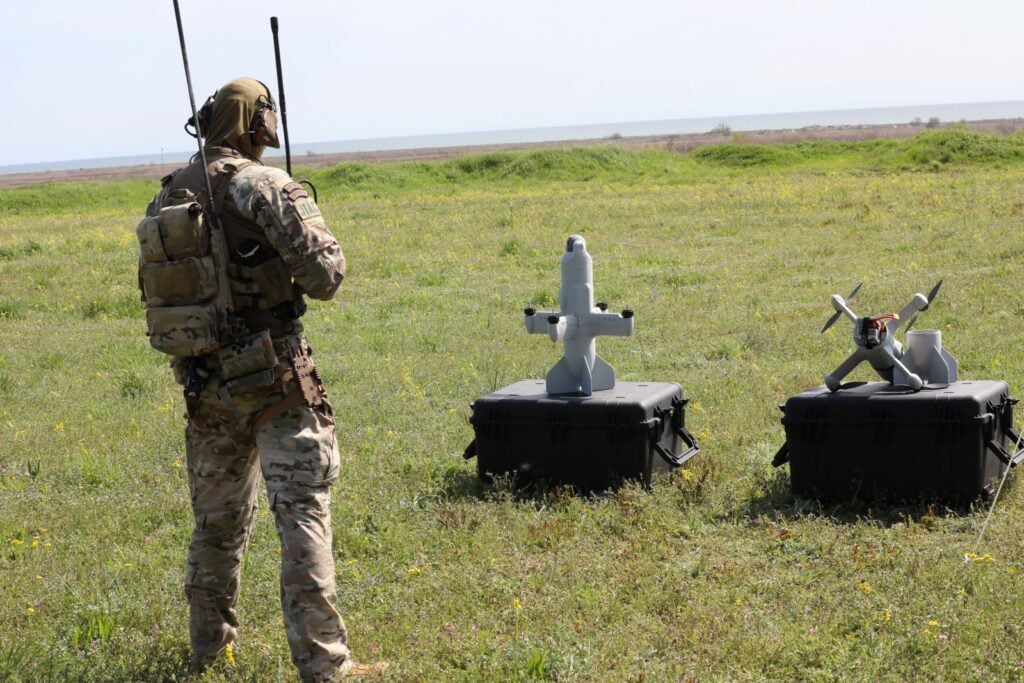
The event was also notable for the scale and variety of systems brought together for testing across a 2.5 km area. These included more than 215 systems such as radars, acoustic and radio-frequency detectors, electronic warfare tools, and both kinetic and non-kinetic effectors (systems that can physically defeat a threat or disrupt it through other means such as jamming). Rather than evaluating each system on its own, the event brought them together into a counter-UAS cell combining detection, command and control, and defeat mechanisms to test how effectively they could work as a single integrated defence.
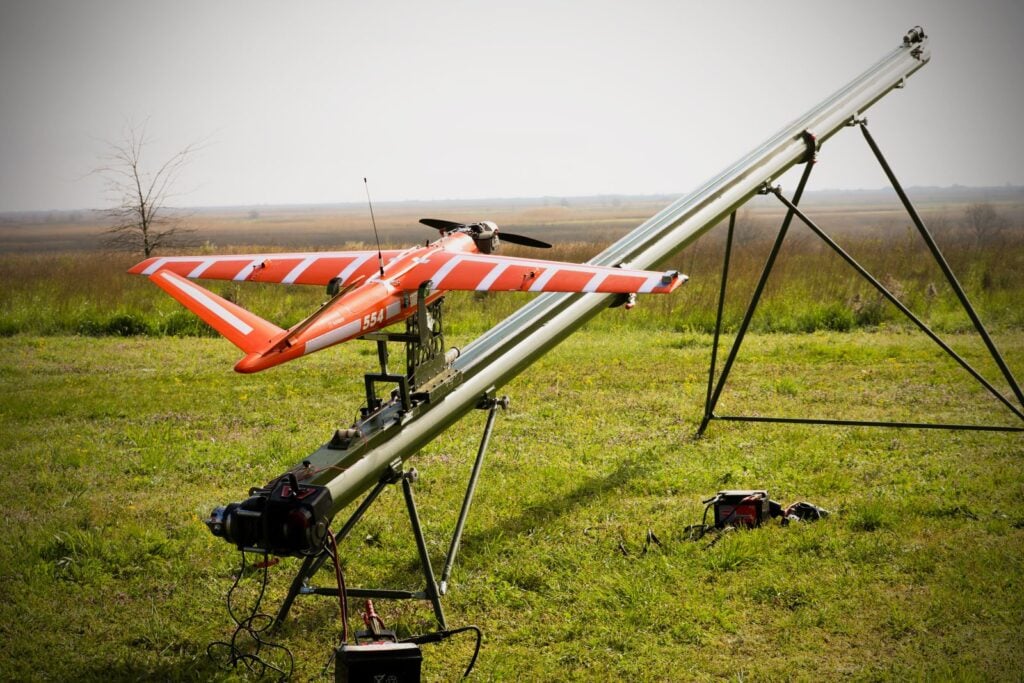
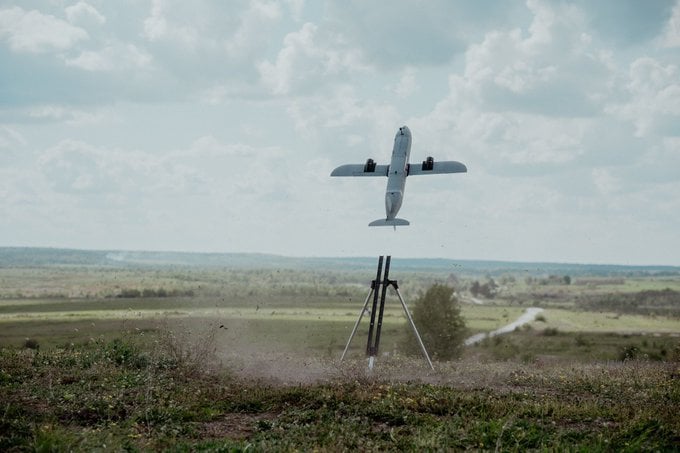
What made the event especially tangible was the activity on the range itself. At times, drones flew over the Black Sea in patterns intended to simulate swarm tactics. At others, small drones could be heard overhead until a successful interception brought sudden silence. Because the drones being engaged were target drones, participants were given realistic ways to test how well their systems could detect, track, disrupt, and defeat aerial threats in practice. Support from the NATO-Ukraine Joint Analysis, Training and Education Centre (JATEC), including Ukrainian experts who helped incorporate current UAS tactics, ensured the event unfolded in a threat-informed environment.
That mattered because the challenge facing NATO is not simply identifying promising technologies but determining how different systems could work together under realistic conditions. Crucible 1-26 was therefore less about showcasing individual products than about testing whether capabilities could connect, communicate and perform as part of a broader interoperable network.
From capability demonstration to operational integration
The central shift within LCI-X is a move away from presenting technology in isolation toward validating operational effects. Systems were not assessed separately, but placed into realistic, threat-informed scenarios where success depended on coordination, integration, and the ability to contribute to a wider tactical cell.
This approach reflects a broader recognition across the Alliance that air defence cannot depend on a single solution. It requires multiple capabilities to function together coherently across sensing, command and control, and engagement. Crucible 1-26 provides the conditions to experiment with industry. Through its threat-informed scenarios, LCI-X exposes systems to operational friction, uncertainty, and the need for rapid coordination, generating evidence-based insights into what works and how systems perform together.
Industry as a partner in problem-solving
A defining feature of the Crucible Series is the role of industry as an active participant in experimentation. Companies are demonstrating capabilities, while working alongside NATO and national representatives to solve integration challenges in real time.
Many of the technologies relevant to counter-UAS defence are evolving rapidly in the commercial sector. By bringing industry into a realistic experimentation framework, NATO is gaining a better understanding of what is already available, how it performs in operational conditions, and what adaptations might be needed for integration into Allied structures. At the same time, participating companies are gaining clearer insights into NATO requirements, interoperability demands, and the practical realities of multinational operations.
Why this matters for NATO
Interoperability remains central to NATO’s operational effectiveness. The Crucible Series provides a practical mechanism to connect national capability development with Alliance requirements, and commercial innovation in a single experimentation environment. This allows NATO and participating nations to assess how layered counter-UAS capability could be built in practice and at scale.
Our advantage lies in our ability to adapt faster than our adversaries. NATO gives nations a unique way to de-risk that adaptation together by testing what is available in the market, at scale, with industry from across the Alliance. Initiatives like LCI-X are a good example of this approach: they bring nations and industry together to test solutions, learn quickly, integrate what works, and turn innovation into capability. Very few actors can convene that breadth of nations, users, and companies to do this at speed. That is the real value of NATO, and of ACT.
– Admiral Pierre Vandier
Supreme Allied Commander Transformation
As the first event in the LCI-X Crucible Series, Crucible 1-26 established a baseline for further experimentation, with several testing events planned throughout 2026. Each is intended to build on previous insights and contribute to a growing body of knowledge about how NATO can field more effective, scalable, interoperable and rapidly adaptable counter-UAS capability across the Alliance.