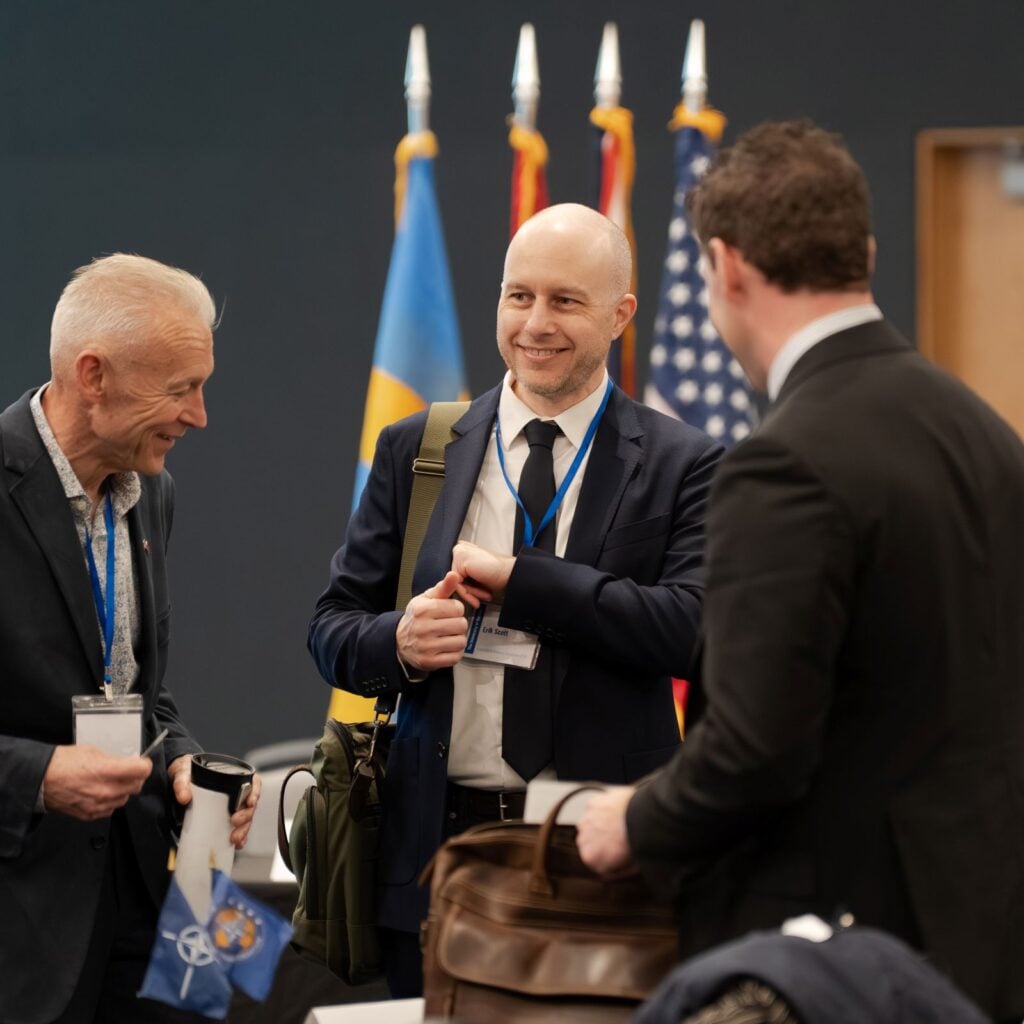
When NATO talks about interoperability, the conversation often starts with systems: compatible communications, shared data standards, and the ability to connect platforms across national forces. Those technical foundations matter, but they are only part of what allows the Alliance to act together. Interoperability also has a human dimension which includes shared understanding, clear communication, trust, and the ability to reach consensus among nations with different perspectives and constraints.
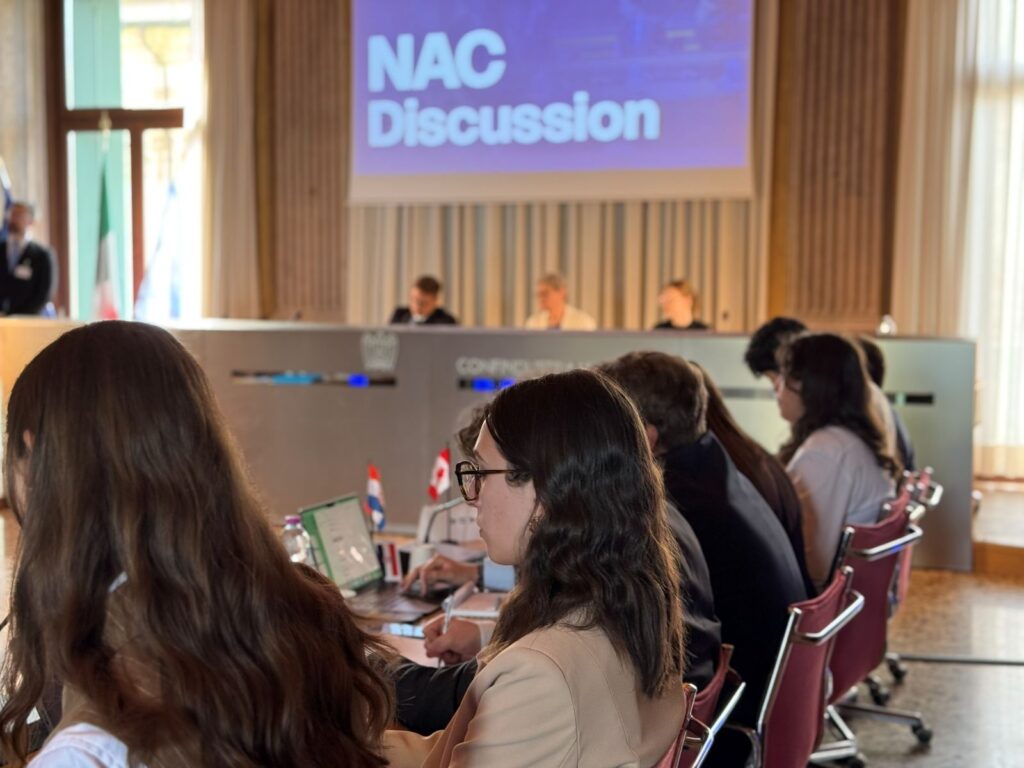
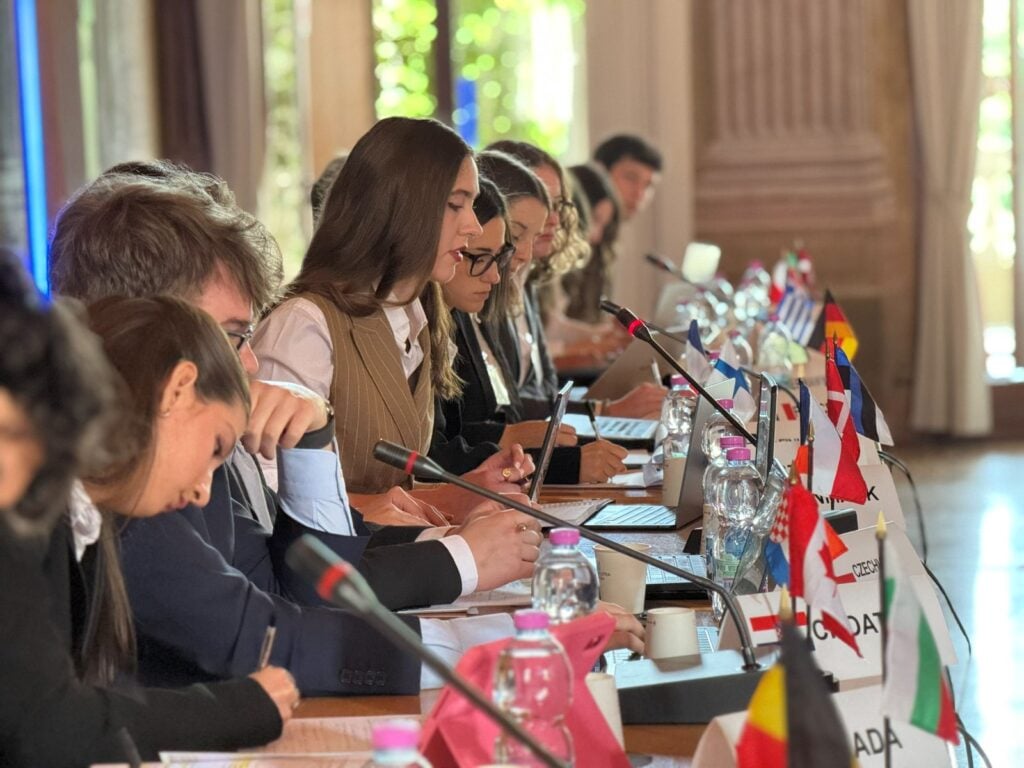
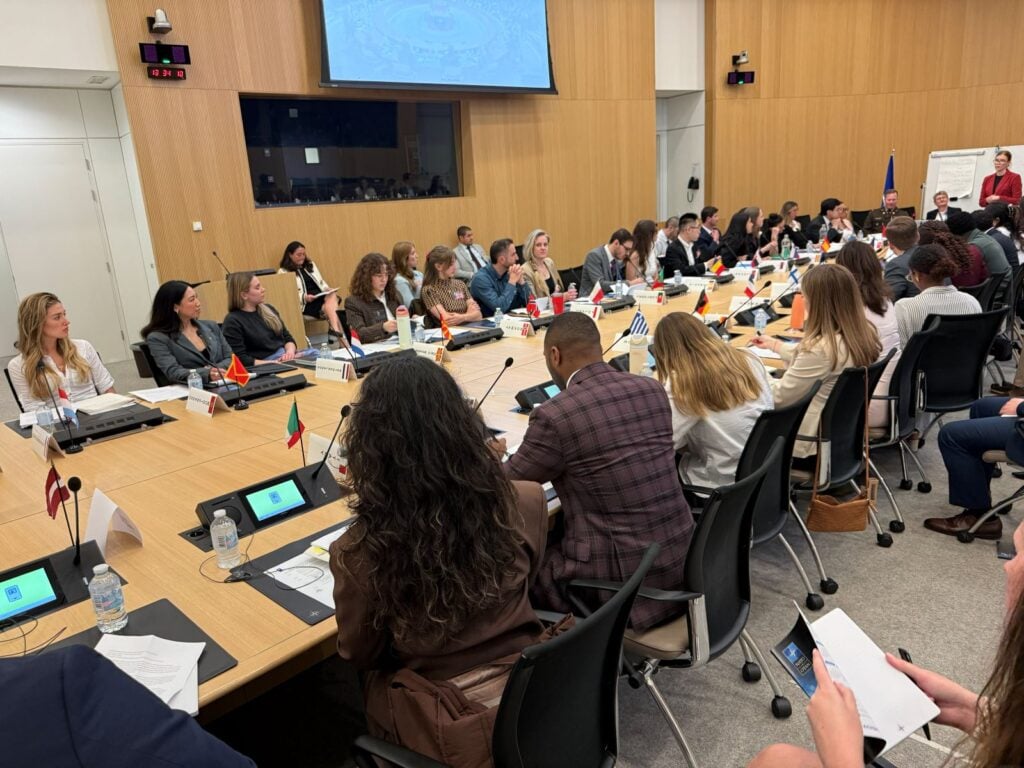
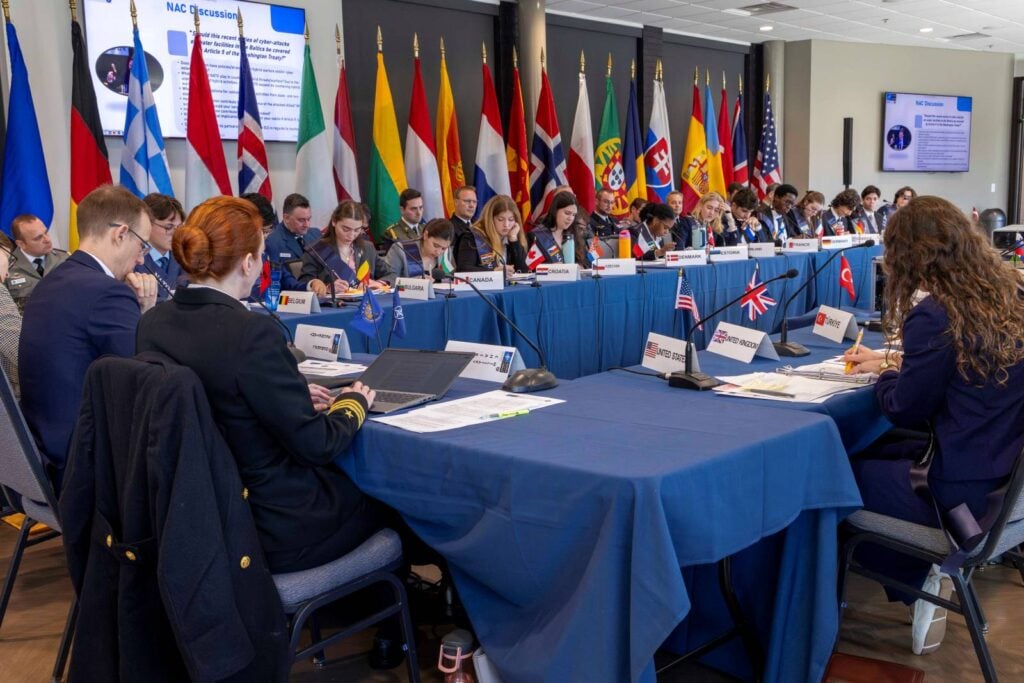
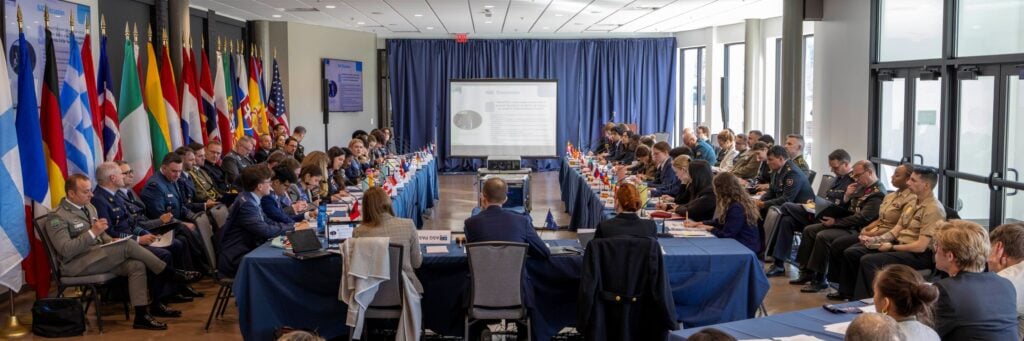
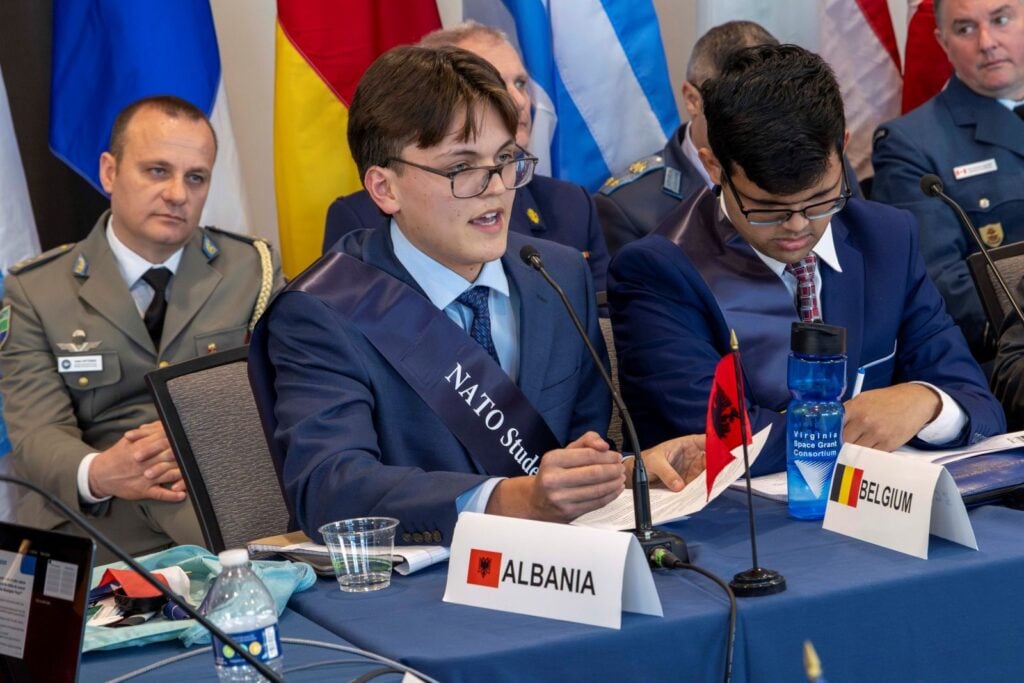
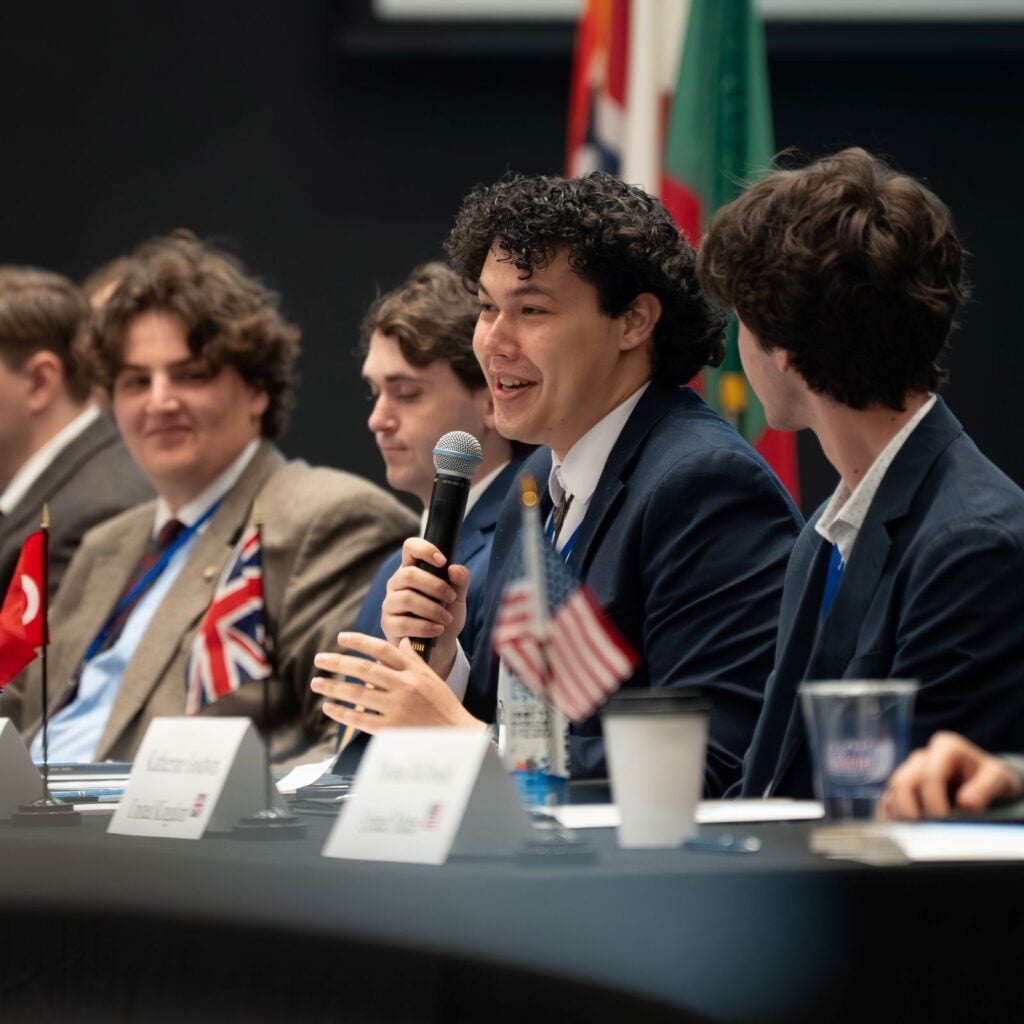
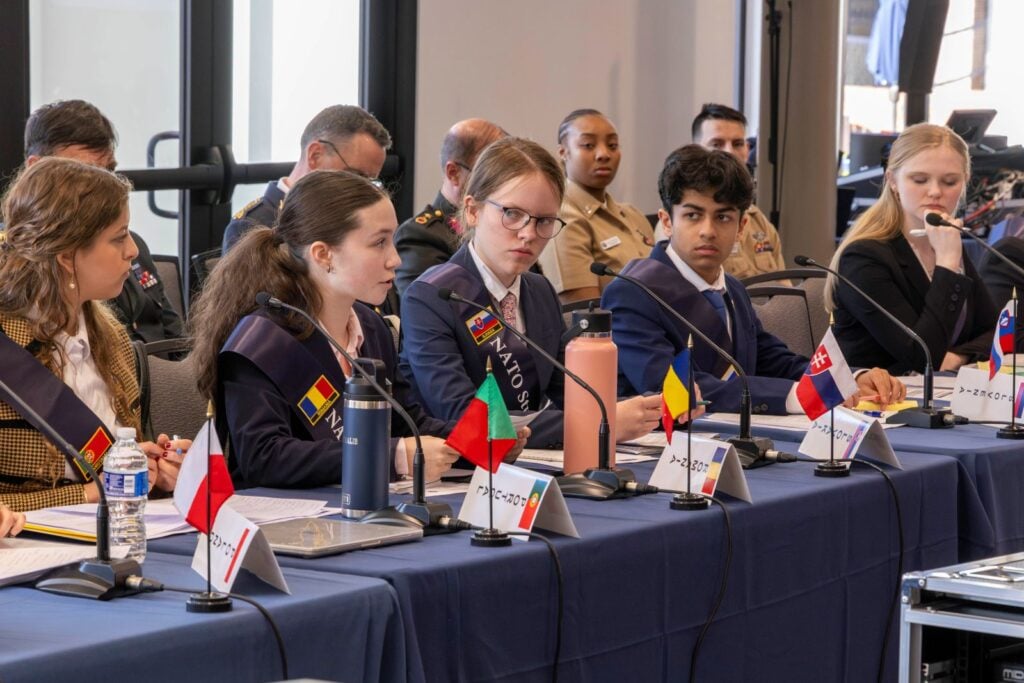
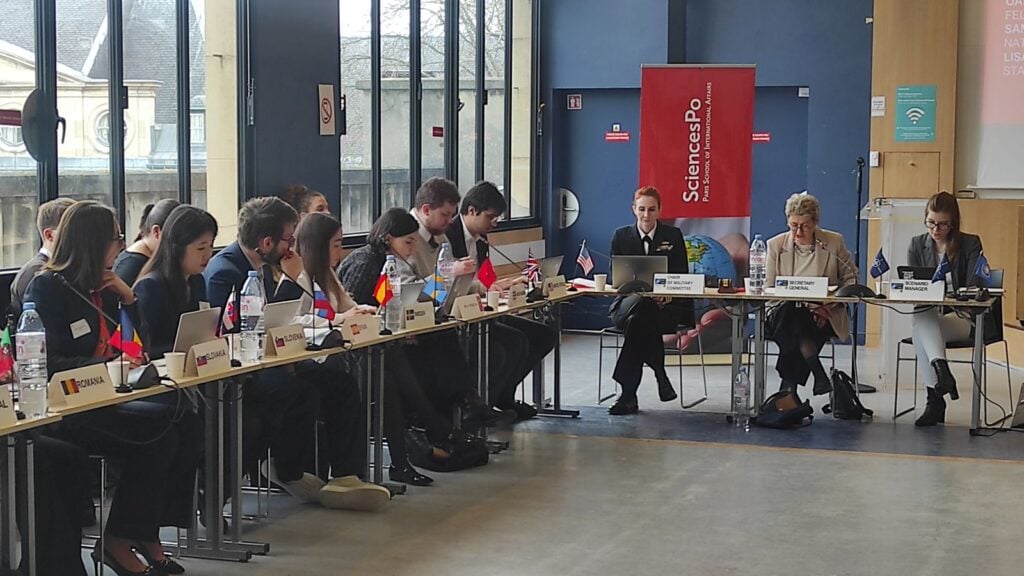
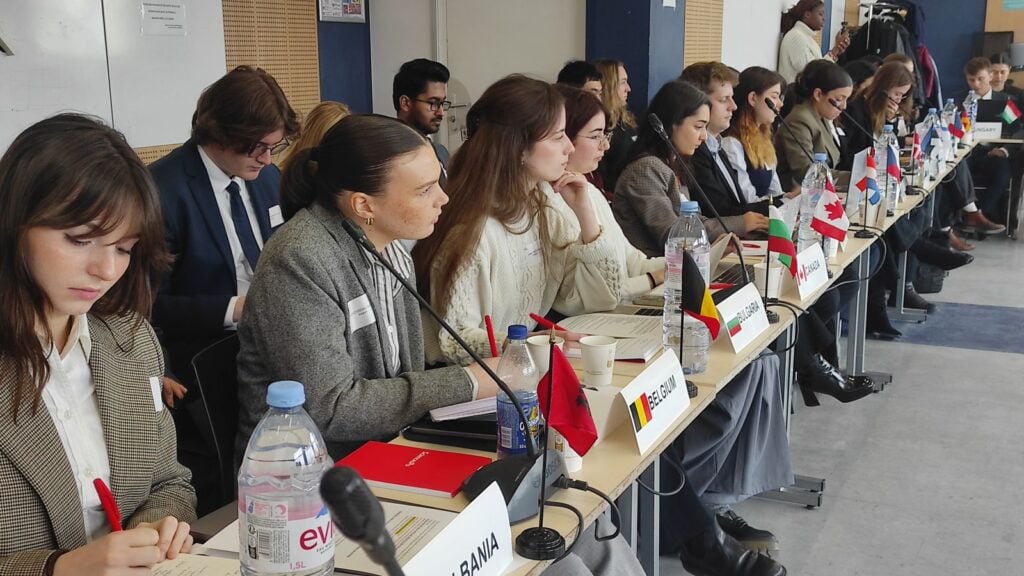
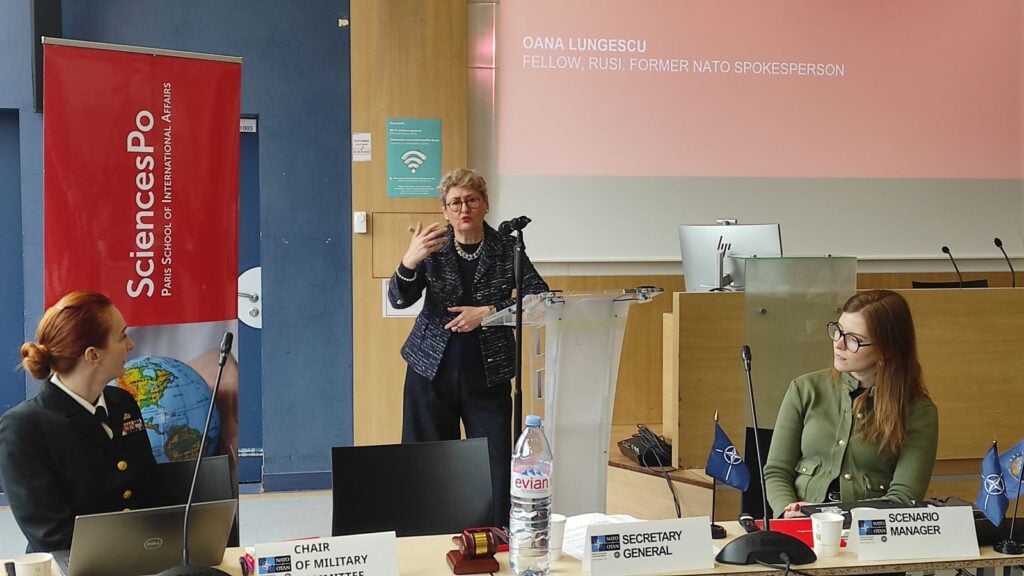
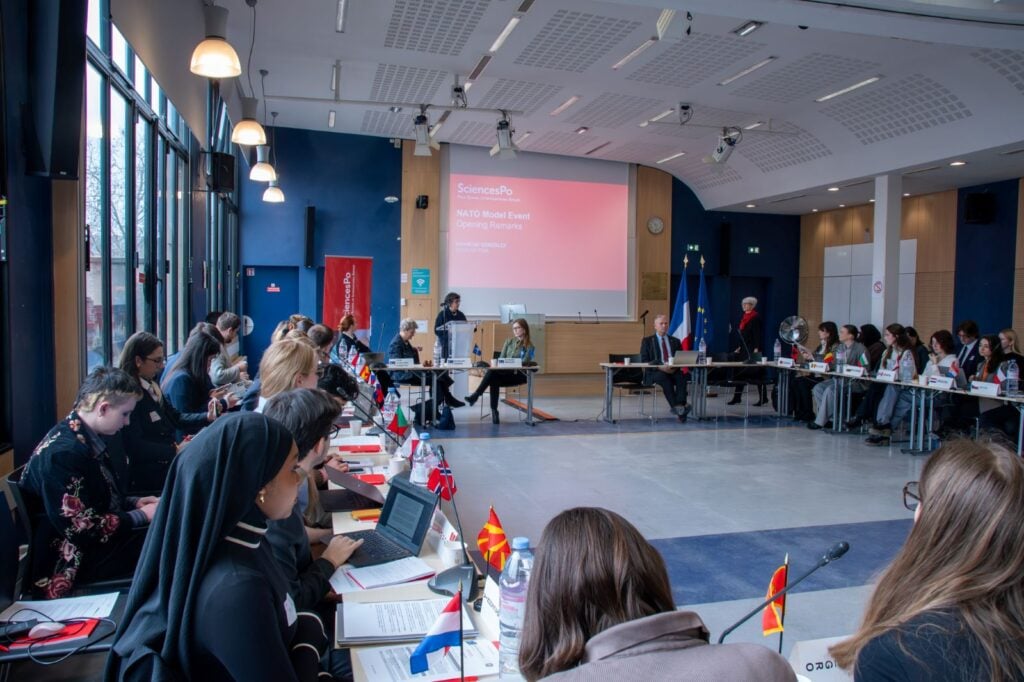
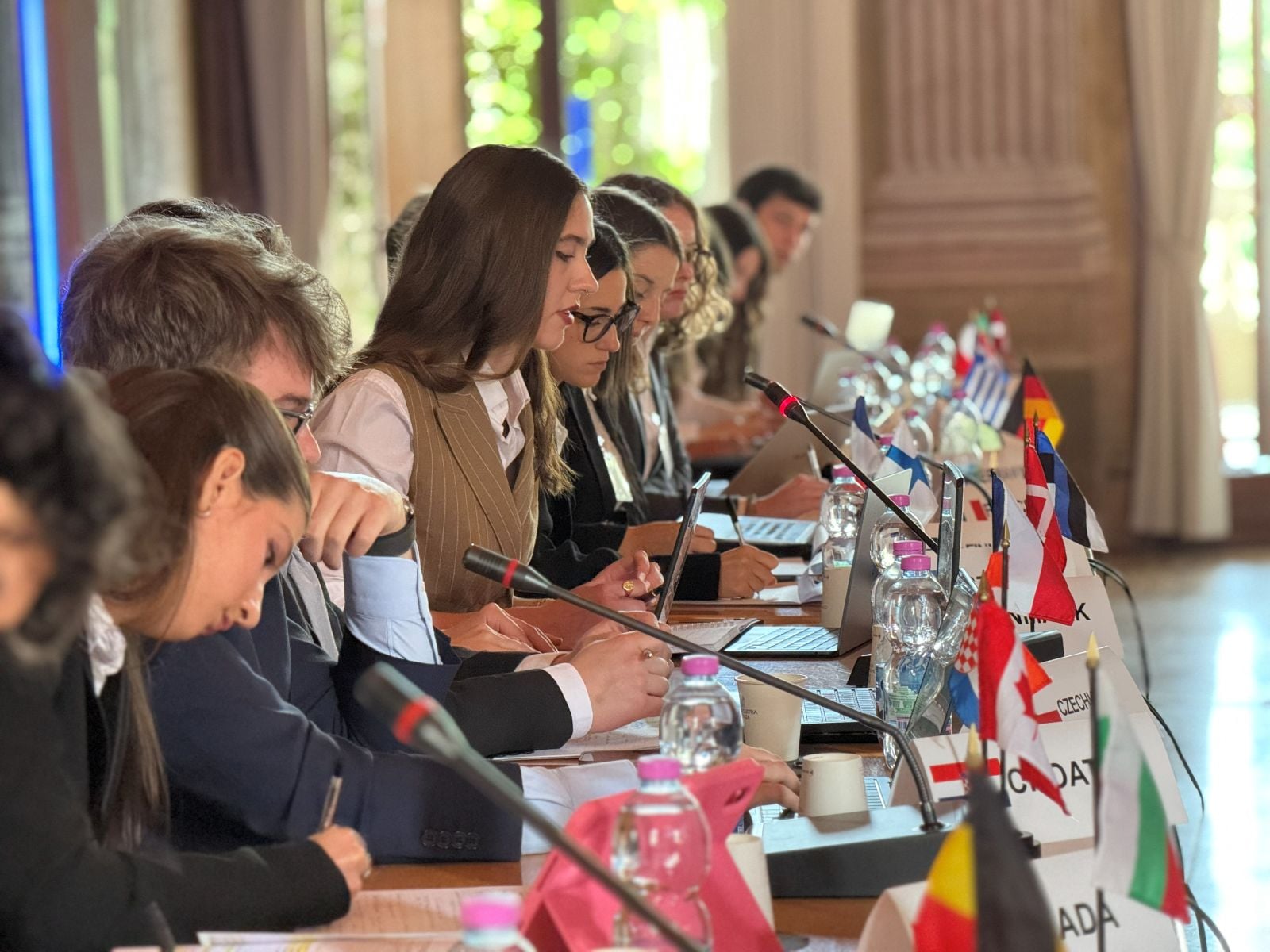
Through its Academic Outreach programme, NATO Allied Command Transformation (ACT) delivers NATO Model Events in partnership with universities and professional programmes that immerse participants in simulated North Atlantic Council (NAC) decision-making sessions. The format provides practical experience in the human skills required to enable allied action, giving participants a firsthand view of how interoperability is built through shared understanding, communication, and consensus across 32 Allies.
Who participates, and why the model format works
Most university participants are undergraduate and master’s students studying political science, international relations, foreign affairs, and related social sciences, with a clear interest in diplomacy and international security. They bring strong academic grounding and motivation while the model format adds a different kind of learning opportunity where they represent a national position, adapt to new information, and work toward collective action under time pressure.
The model format gives participants structured practice on the human side of interoperability: communicating clearly, building trust, negotiating tradeoffs, and reaching workable consensus across national perspectives.
The 2026 series so far
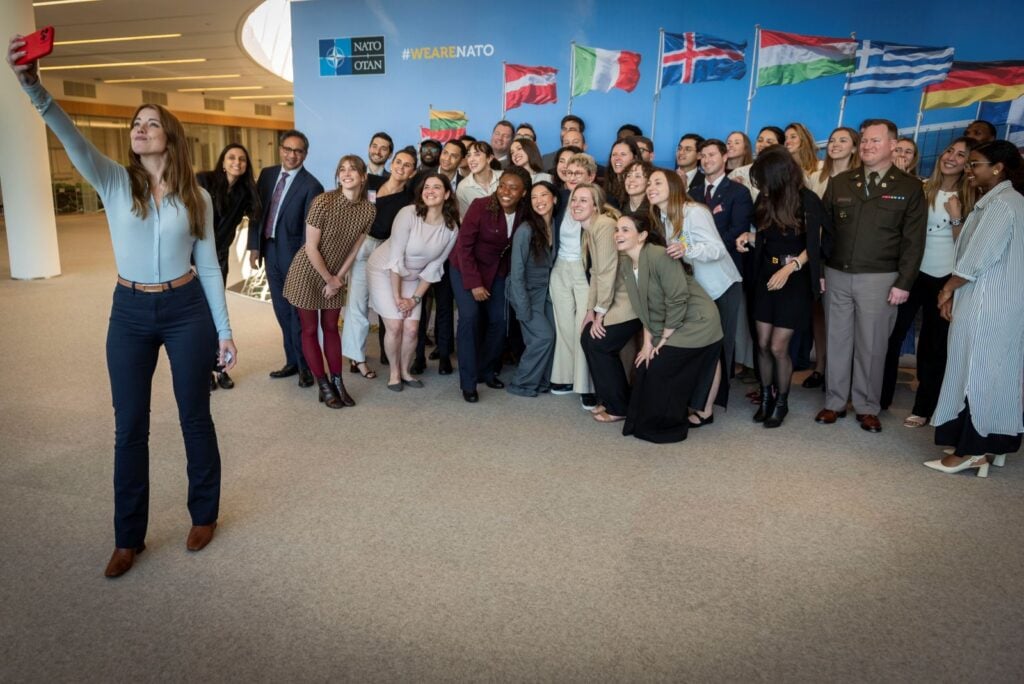
In the first half of 2026, ACT’s Academic Outreach delivered NATO Model Events across Europe and the United States, engaging university students at Sciences Po in Paris, Hertie School in Berlin, the University of Kansas, the University of Bologna, and Georgetown University at NATO Headquarters in Brussels. The programme also included a Model NATO Challenge for high school students near Norfolk, United States in conjunction with the Norfolk NATO Festival, and a unique session in Stuttgart for the U.S. Department of Defense Executive Leadership Development Program (ELDP), which applied the NAC-style decision-making format to emerging leaders from across the U.S. civilian and military workforce.
Insights from participants
In several sessions, students responded to a short set of questions on NATO and interoperability, providing a cross-section of perspectives across student and professional cohorts.
Among university groups in both the United States and Europe, participants repeatedly pointed to a shared set of 2030 security concerns like China, Russia, climate change, and AI. Their emphasis differed on what the Alliance must manage in the near term though. In Bologna, responses leaned toward cohesion and credibility questions alongside hybrid/cyber and energy security concerns. In Kansas, participants leaned more toward immediate crisis sets and the information environment (like Ukraine, Israel, cyber-attacks, disinformation, and hybrid warfare) alongside concerns about public understanding.
Those inputs pointed to a consistent theme: students define interoperability broadly, but their emphasis changes when they move from definition to implementation. When asked which factors matter most for NATO forces to operate together, Bologna students strongly emphasized shared tactics, procedures, and standards. Kansas responses spread more evenly across technical compatibility, procedures, political agreement, and shared understanding of the mission, reflecting a more “whole-of-alliance” view of what makes collective action possible.
The Stuttgart ELDP cohort, comprised of mid-level American civilian and military professionals, brought a different lens shaped by lived experience and institutional responsibility. Their inputs placed heavy weight on strategic risk driven by domestic political uncertainty, alongside cyber, China, AI, and Russia. When asked what NATO may face in 2030, the strongest recurring themes were trust, unity, resources/funding, and consensus, which is language that echoes the human side of interoperability.
Taken together, these perspectives point to a straightforward conclusion. Interoperability is the combined effect of shared procedures, shared understanding, and people who can coordinate and reach agreement under constraints.
Why this matters
Technical interoperability enables forces to connect. Human interoperability enables nations to decide. The NATO Model Events delivered through ACT’s Academic Outreach strengthen that human foundation by giving participants structured practice in the behaviors that make allied action possible: building shared understanding, negotiating tradeoffs, and forming consensus.
As NATO adapts to a changing security environment, that human dimension remains a defining advantage because systems can be trained to share information, but only people can build unity.
University of Kansas
“I think NATO will be incredibly important to my generation’s security because as globalization is continuing and the world is advancing, especially with new technology, the world is getting increasingly smaller and therefore as the world is getting interconnected the countries of NATO need to become more interconnected in order to preserve stability.”
— Joseph Piver, PhD candidate in Political Science
University of Bologna
“For future generations NATO will be pivotal. In an unstable world where the international liberal order is challenged everyday having this organization that has proven itself to be a forum of comprehensive cooperation is quite important.”
— Federico Gugliandolo, first year Master’s student in Diplomatic and International Sciences
Georgetown University
“Transatlantic security is the foundation on which everything else is built so by having security we can ensure prosperity, social cohesion, exchange of ideas and peace.”
— Tim Bradley, Master’s candidate in the joint Georgetown School of Foreign Service-School of Business program in International Business and Policy
Hertie School Berlin
“When people say NATO forces need to be ‘interoperable,’ it means that allied countries must be able to work together smoothly by sharing information and operating as one team when needed. When thinking about interoperability, I mainly think of efficiency, because it reduces wasted effort by allowing countries to combine resources and strengths more effectively.”
— Alessia Noschese, second year Master’s student in International Affairs
Sciences Po, Paris
“Interoperability is what allows NATO to function as a single actor. It begins with political consensus among member states and translates into the coordinated operation of defence systems, made possible through planning, testing, exercises and training.”
— Gabriel Maurin, Master’s student in Diplomacy at the Paris School of International Affairs (PSIA)
U.S. Department of Defense Executive Leadership Development Program, Stuttgart
“For NATO forces to be truly interoperable… it is not enough to have compatible technological capabilities if we do not also integrate in training, doctrine, and intelligence. NATO allies already come in with a strong, shared vision – working together for the collective defence – and executing that vision requires integration in every possible facet of that defence.”
— Alexandra McDonald, Air Force Office of Special Investigations and member of Cohort 38
Model NATO Challenge
(High School Students Hampton Roads)“Working effectively with other ‘nations’ required an open mind, patience, and humility. Being willing to listen, stay engaged when consensus felt out of reach, and treat every delegation as an equal made cooperation possible.”
— Penelope Channell, Princess Anne High School