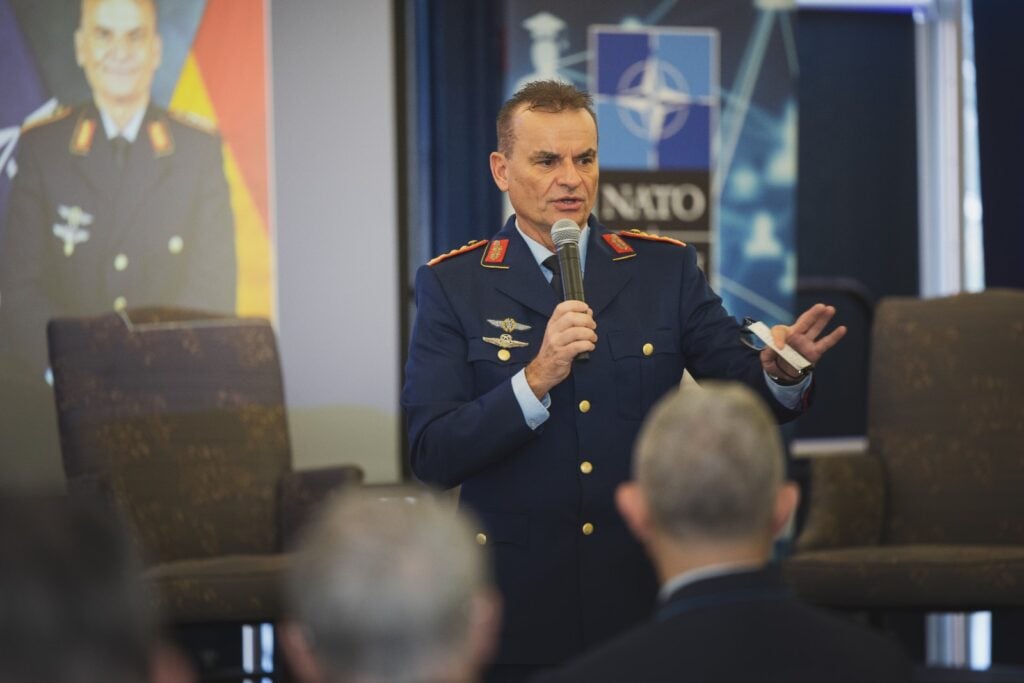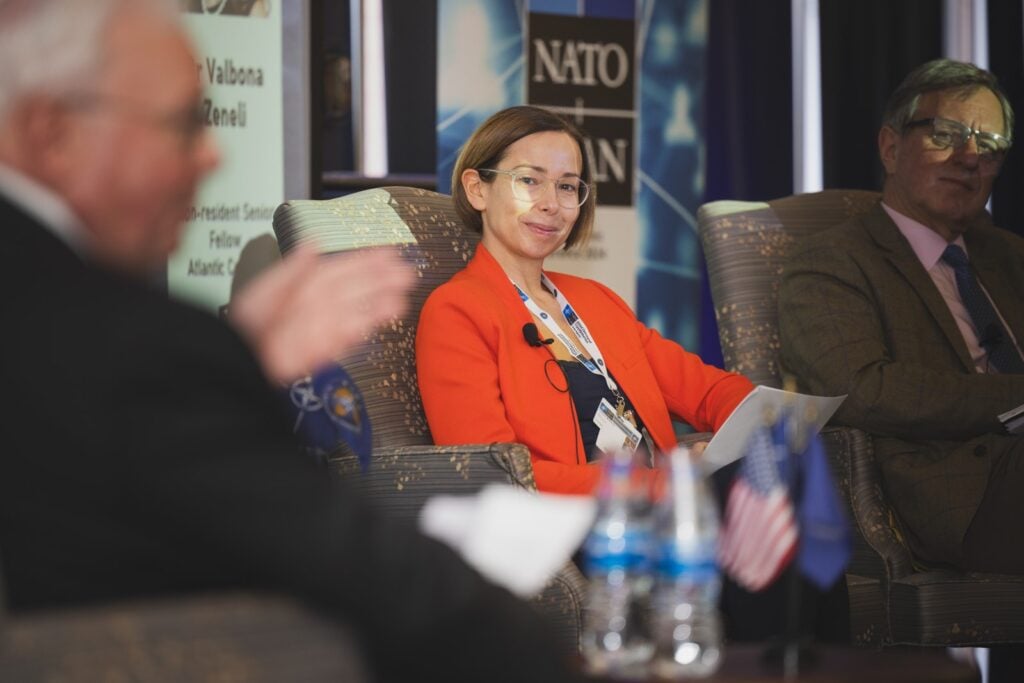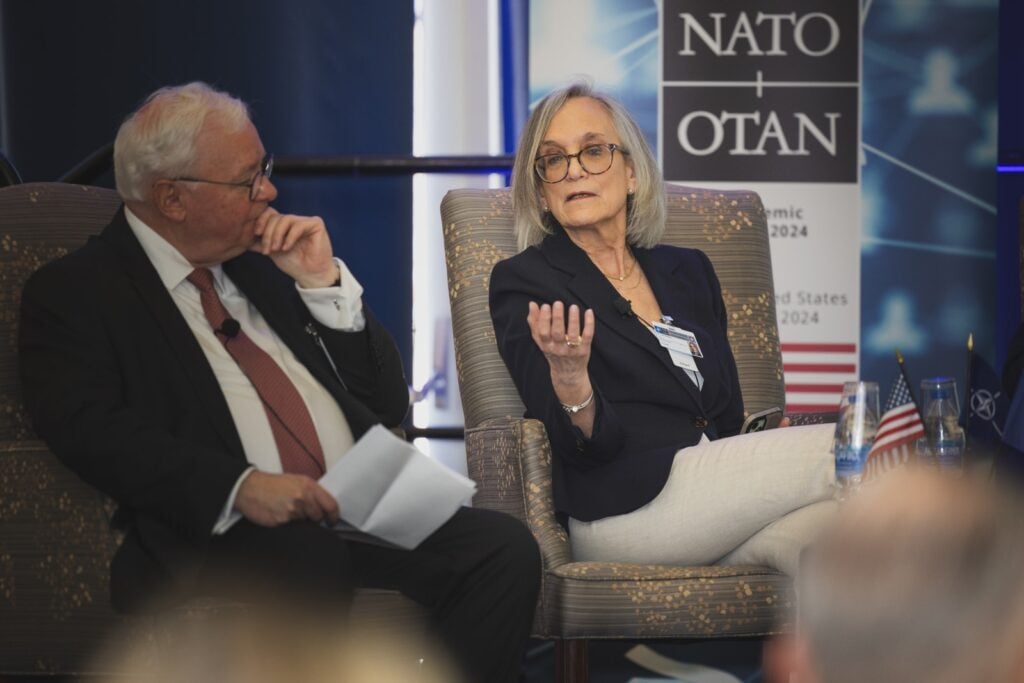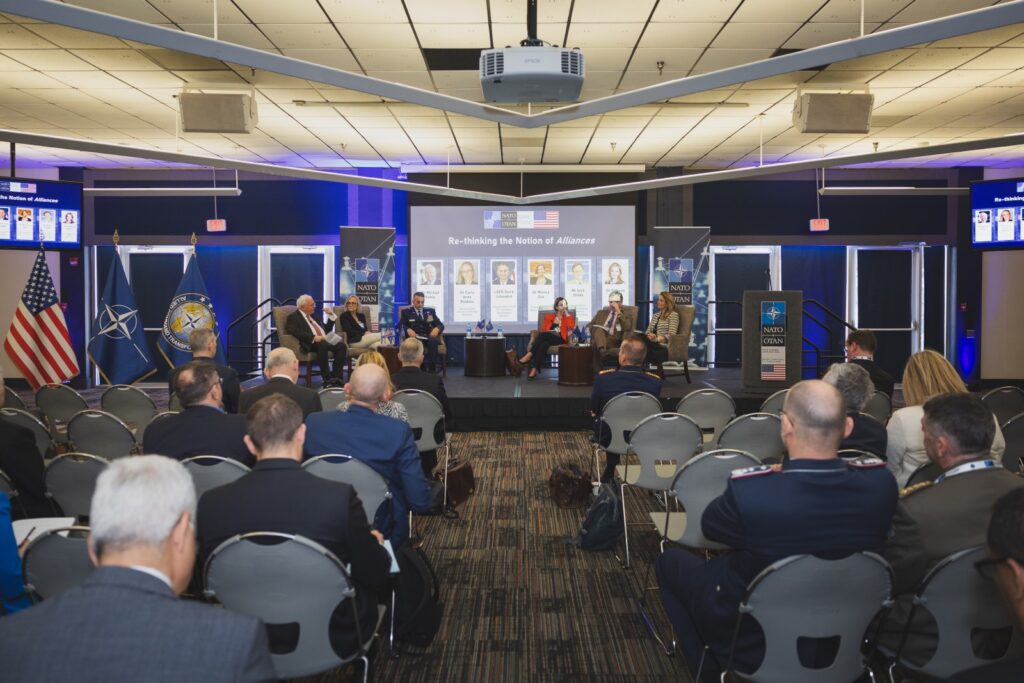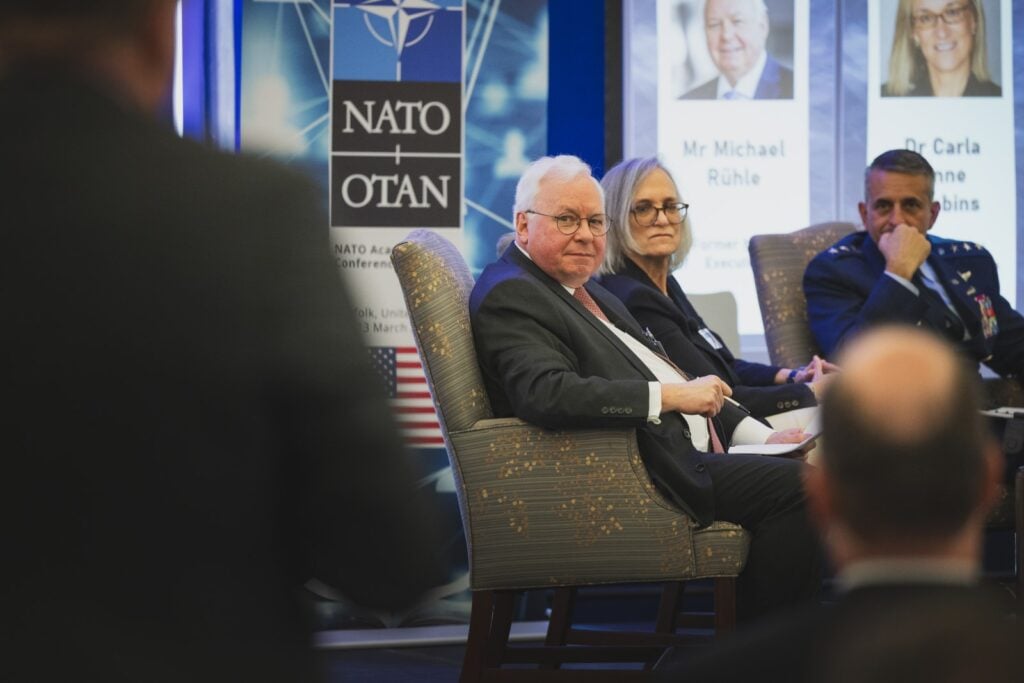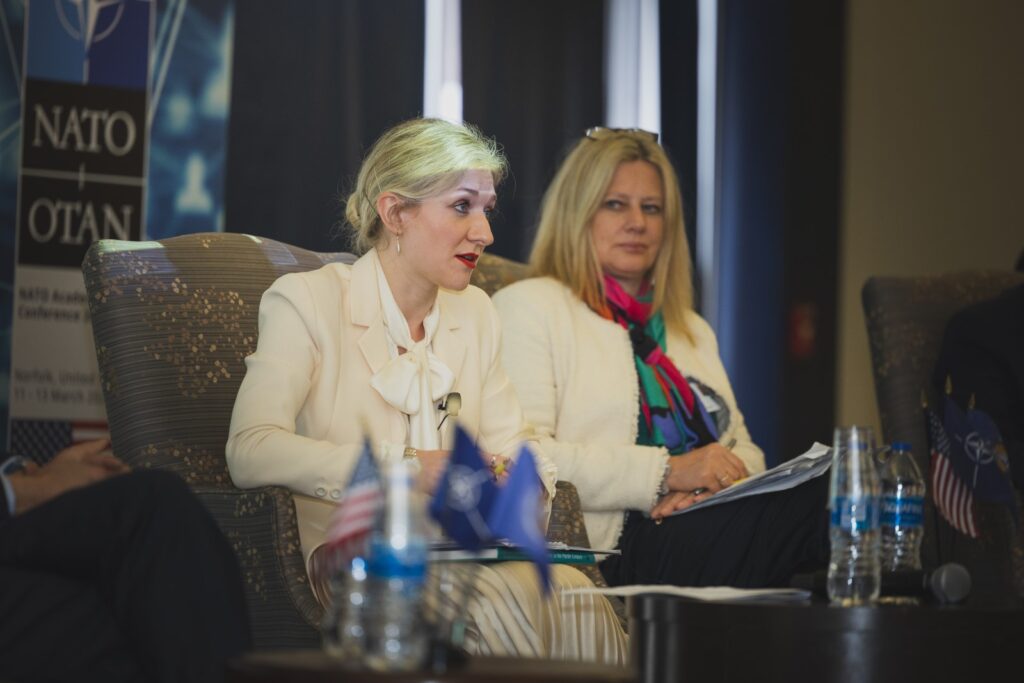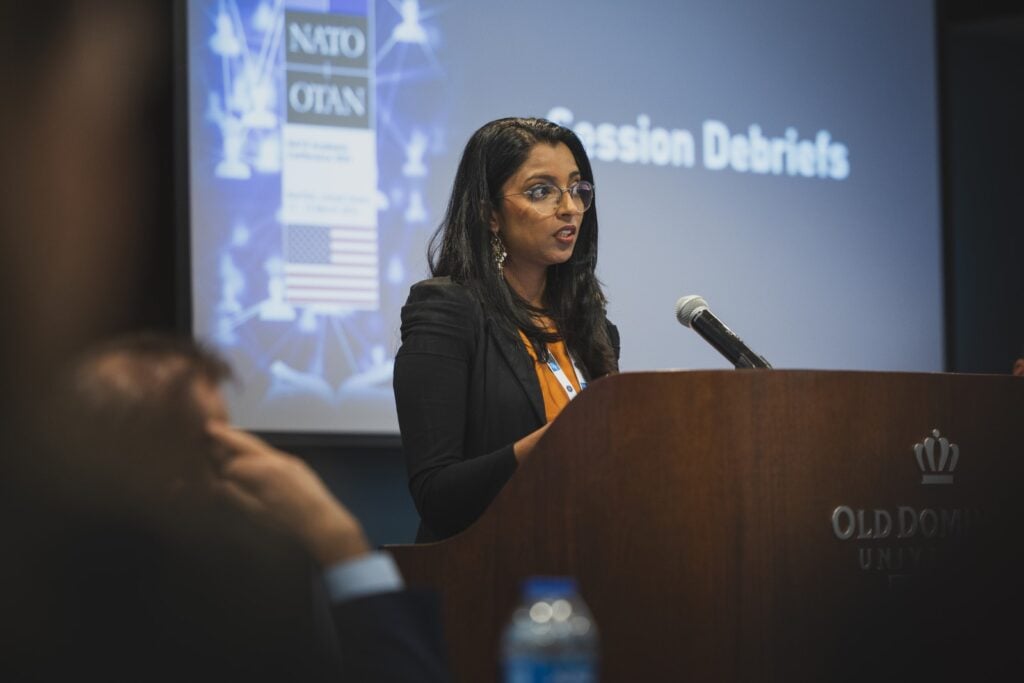

Held this week in Norfolk, Virginia, the NATO Academic Conference 2024 brought together nearly 150 academics, civilian experts, and military leaders from Allied and select partner nations. Co-organized with the Old Dominion University, the conference served as a pivotal forum for reflecting on the implications of the constantly changing geopolitical environment.
The theme for this year’s conference, “Alliances and Partnerships in a Complex and Challenging Security Environment,” underscored the importance of collaboration and cooperation in addressing global security challenges. The conference generated new ideas regarding how to enhance NATO’s, Allies’, and partners’ ability to anticipate threats and respond to crises with greater speed, coherence, effectiveness, and precision.
Attendees were from a diverse array of backgrounds, comprising professors, students and professionals from Think Tanks. Academic participants from NATO Allied Command Transformation’s partner universities included those from the Old Dominion University, the Virginia Military Institute, George Washington University, William & Mary, and the Hertie School.
Representatives from esteemed Think Tanks such as the Atlantic Council, the International Institute for Strategic Studies, and the Council on Foreign Relations, along with representatives from NATO Headquarters were also able to participate. This diverse mix of attendees enriched the discussions and provided unique perspectives on the topics at hand.
“This candid, dynamic discussion on how we go forward, […] how we maintain the edge; from Russia, to China, to NATO, to Africa, everything is connected, and NATO is looking at 360 degrees. This is what we have to keep in mind” said General Chris Badia, NATO’s Deputy Supreme Allied Commander Transformation in his remarks.
The conference featured a series of sessions focusing on key themes:
- Session 1: Re-thinking the Notion of Alliances. This session worked on redefining the concept of alliances, both historically and in the contemporary context. It explored the evolving role of alliances in a changing geopolitical environment, highlighting new alliance mechanisms that have emerged. There was also a discussion of values versus interests which examined how alliances like NATO fit into this debate.
- Session 2: Understanding the long-term Challenges in Sub-Saharan Africa. Experts highlighted the political and military development challenges in Sub-Saharan Africa. Discussions centred on the impact of these challenges on partnerships, particularly in the context of counter-terrorism efforts. They also explored the role NATO could play in addressing these challenges, and examined potential avenues for partnership and cooperation in the region.
- Session 3: Current Russia and China Partnership Dynamics. The focus of this session was exploring the notion and role of partnerships between Russia and China. Experts unpacked the current partnership dynamics between Russia and China in different geographical areas, including the Indo-Pacific Region. This discussion identified challenges and windows of opportunities for NATO in light of these partnerships, highlighting areas where NATO could potentially enhance its engagement and cooperation.
- Session 4: On the Road to Washington: Reflecting on NATO’s “Out-Partnering” Function. This discussion delved into NATO’s “out-partnering” function, highlighting the main challenges of NATO partnerships in the past and opportunities for the future. Participants defined how NATO could better utilize partnerships with industry and academia, and identified areas where improvements could be made, especially in the context of the road to the next NATO Summit in Washington, D.C. this summer.
Throughout the conference, held at the campus of Old Dominion University, attendees actively participated in panel discussions, workshops, and networking sessions, facilitating meaningful exchanges of ideas and fostering new collaborations. The conference sessions provided a comprehensive and forward-thinking platform for addressing complex security issues. The presence of representatives from NATO Headquarters and various Think Tanks added depth to the discussions, providing valuable insights into NATO’s strategic priorities and future challenges.
The NATO Academic Conference 2024 served as a catalyst for innovation, collaboration, and progress in the field of global security and defence. As NATO looks towards its future, the insights and recommendations born out of this conference will be instrumental in shaping its strategies and policies.