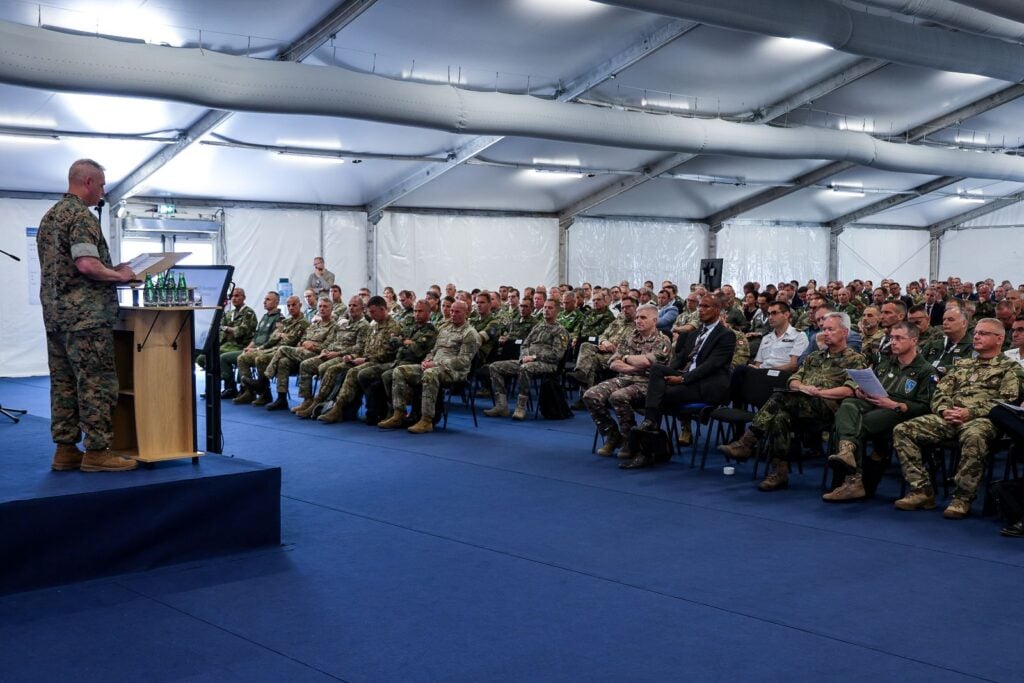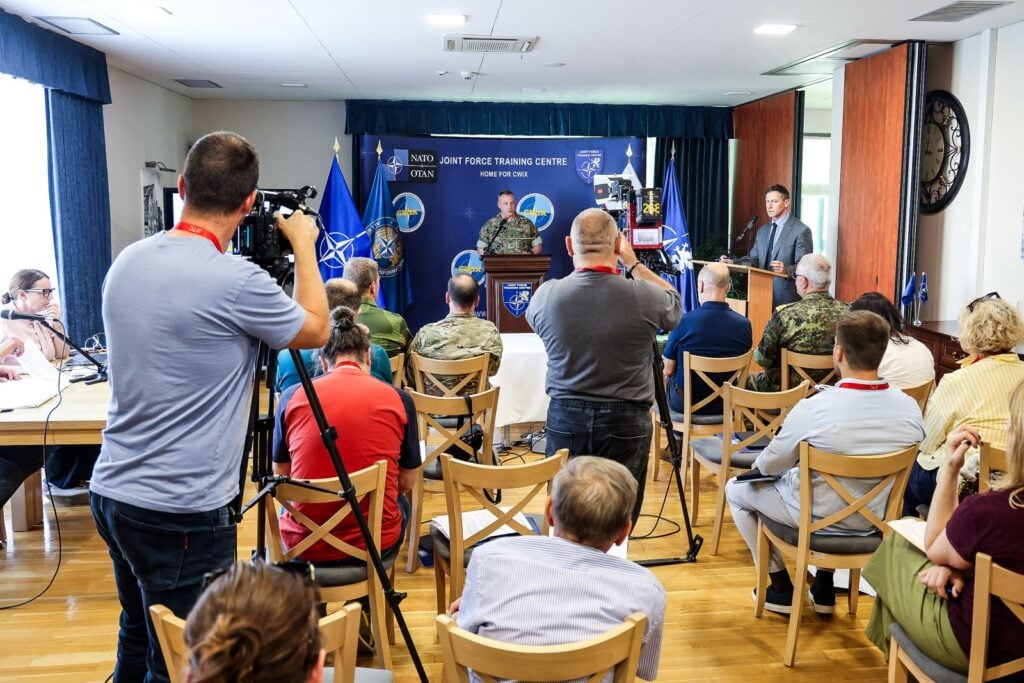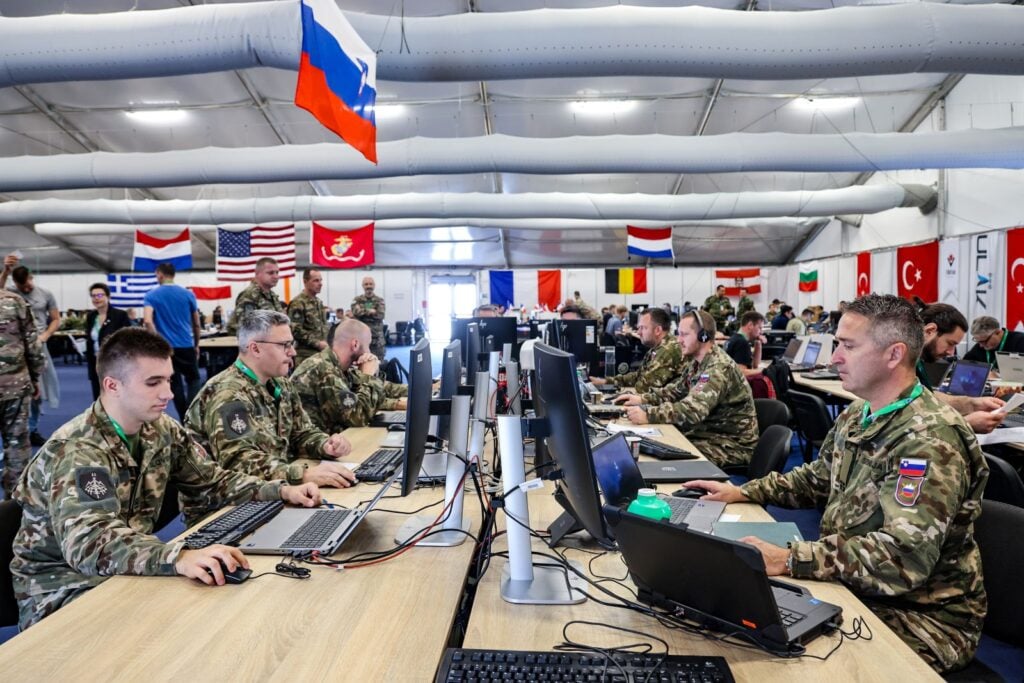
BYDGOSZCZ, Poland. For the last three weeks, more than 4,000 participants from 46 Allied and Partner nations gathered for Coalition Warrior Interoperability eXploration, eXperimentation, eXamination and eXercise (CWIX) 2026, hosted by NATO’s Joint Force Training Centre.
CWIX is NATO Allied Command Transformation’s premier digital interoperability event and the Alliance’s largest venue for testing, validating and improving command and control capabilities and information technology services.
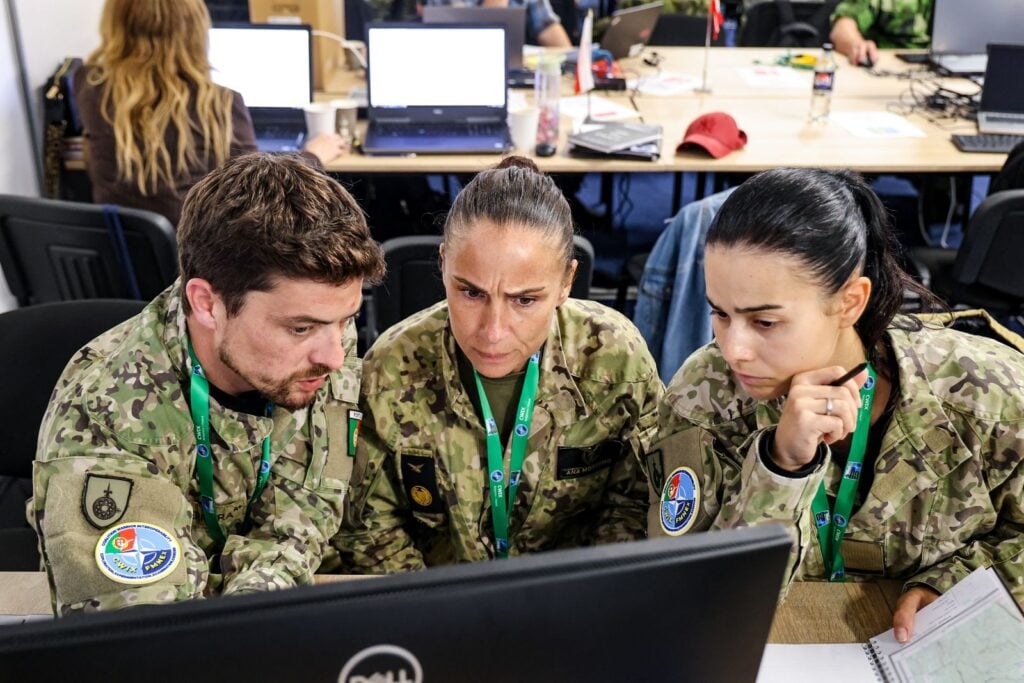
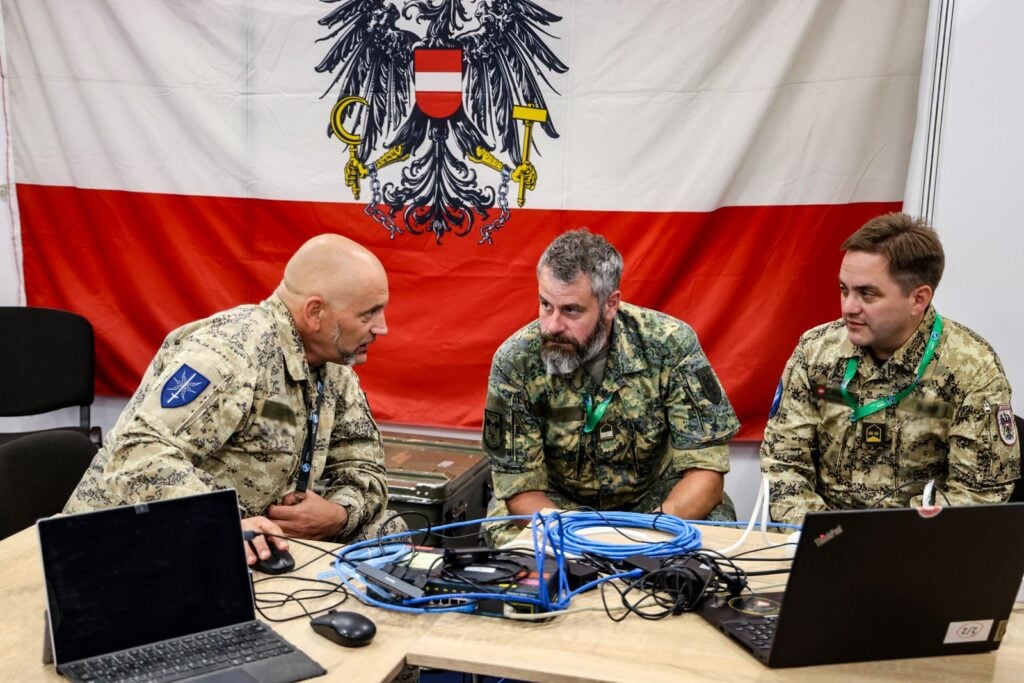
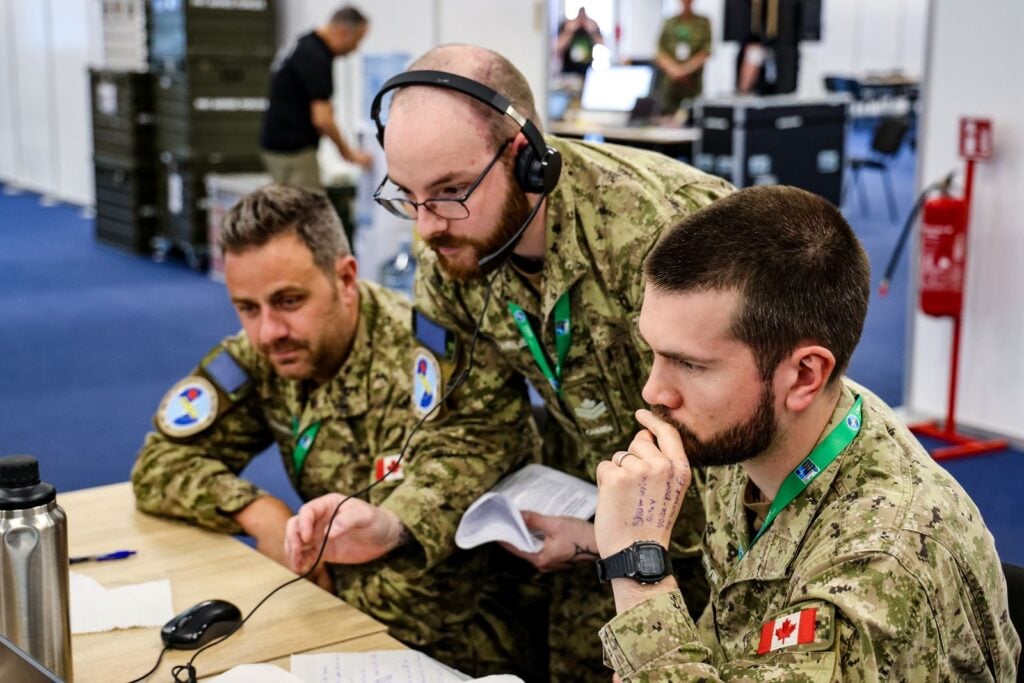
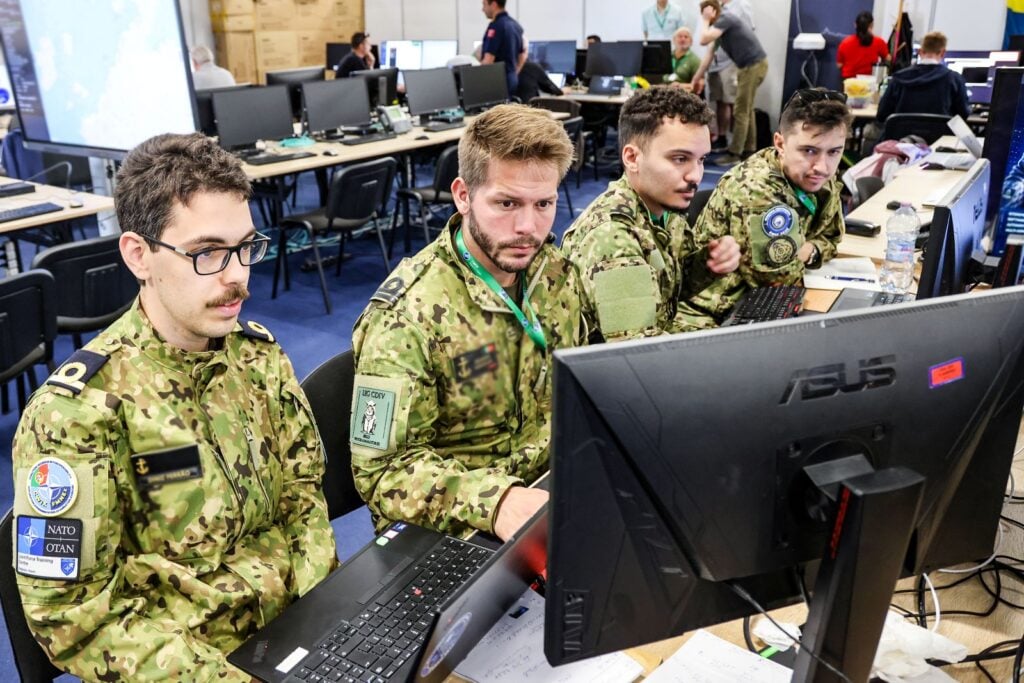
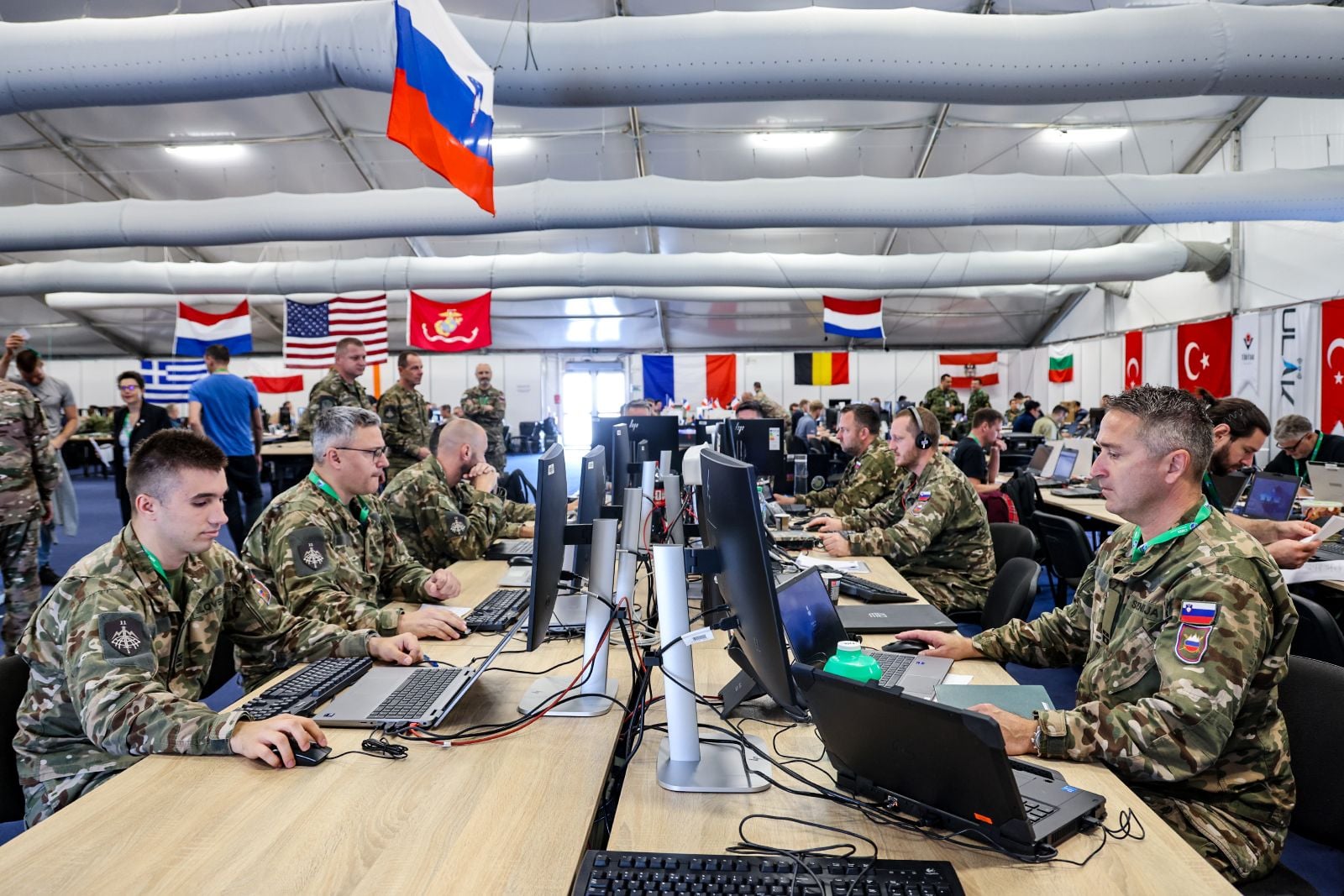
Across rows of interconnected tents, engineers, operators, software developers, military planners and capability specialists from dozens of nations worked side by side, discovering opportunities and solving problems together in real time. Conversations moved seamlessly between operational challenges, technical solutions and future concepts as teams collaborated with one shared ambition – ensuring NATO forces can deploy, connect and operate together from the first day of any mission.
Testing Interoperability Before Operations Depend on It
Behind the scenes, more than 8 kilometres of fibre optic cable and 6 kilometres of copper cabling connected hundreds of national and NATO systems, creating one of the Alliance’s most sophisticated temporary digital environments. More than 30,000 interoperability tests, in 19 capability focus areas, across 27,000 square metres of dedicated testing infrastructure. Every connection created another opportunity to challenge assumptions, expose interoperability gaps and improve the ability of Allied forces to operate together.
Led by Allied Command Transformation, CWIX provides NATO and Partner Nations with a realistic operational environment where systems, data services, software applications, networks and emerging technologies are explored, experimented, examined and exercised under demanding multinational conditions.
Some capabilities performed exactly as intended. Others revealed integration challenges that could only be discovered when systems from dozens of nations were connected together. That is precisely why CWIX exists, to identify and solve interoperability issues before they affect operational missions.
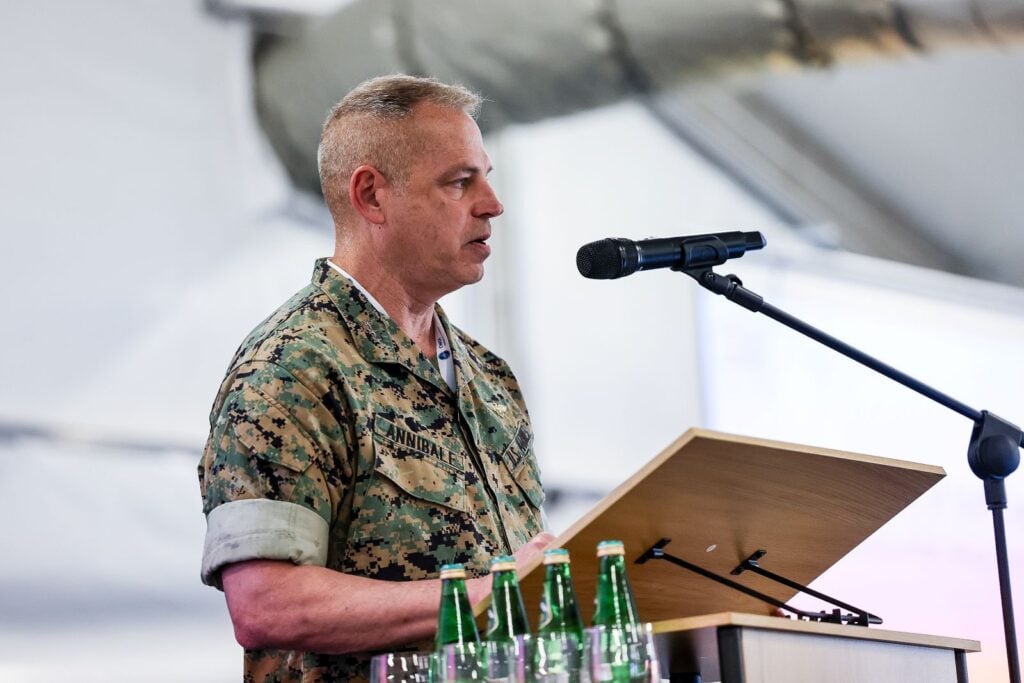
CWIX26 allows us to move beyond assumptions and examine how capabilities perform in realistic multinational environments. It helps us identify gaps, validate solutions and accelerate the development of the capabilities the Alliance will depend upon in the future.
Lt. Gen. Marcus Annibale
Allied Command Transformation
Deputy Chief of Staff for Capability Development
Turning Connectivity Into Operational Effect
For commanders, interoperability is ultimately about trust. Modern military operations depend on access to reliable information, shared situational awareness to inform decision making. A system may successfully transmit data, but unless another nation or NATO headquarters can understand, trust and act upon that information, true interoperability has not been achieved.
Valuable Information gathered by one Ally, like detection of an aircraft, vessel or emerging threat, may need to move rapidly through several national and NATO systems before appearing accurately in a common operational picture. CWIX tests the data standards, interfaces, software, command-and-control systems and operational procedures that make that possible.
This year’s event also supported NATO’s digital transformation agenda, Federated Mission Networking and Multi-Domain Operations helping ensure future capabilities are interoperable by design rather than integration becoming an afterthought. On top, exploration and exercise on Next Generation Targeting rounded off the picture and opened up potential future operational and technical options.
Interoperability is Built by People
While technology provides the foundation, the real strength of CWIX lies in the people. The exercise gives Allied and Partner experts the time and space to work through technical challenges together, build confidence in one another’s systems, and strengthen the professional relationships that support coalition operations.
Those professional relationships are operational assets. They created the trust, understanding, and confidence that enable multiple forces to work together during NATO missions.
People often notice the cables, the networks and the technology that make CWIX possible. I notice the people behind them. Every cable laid, every interface connected and every problem solved represents experts from different nations working together with a shared purpose. Technology enables interoperability, but trust delivers it. The relationships built here are every bit as important as the systems we test, because those relationships are what allow the Alliance to operate as one when it matters most.
– Commander Georg Klein, German Navy
Director, CWIX26
Supporting Future Operations
CWIX26 demonstrated that interoperability is not simply a technical requirement; it is a strategic enabler for operational advantage. Yet perhaps the most enduring outcome cannot be measured by statistics alone.
More than four thousand professionals returned home with stronger partnerships, greater mutual trust and a deeper understanding of how to solve complex multinational challenges together. In today’s increasingly contested, data-driven security environment, readiness is not declared, it is routinely tested. Interoperability is not assumed, it is proven. At CWIX 2026, the Alliance demonstrated once again that its greatest strength lies not only in its technology, but in the people who come together to make it work.