Allied Command Transformation is developing and delivering capabilities to enable NATO to achieve its Integrated Air and Missile Defence ambitions, as highlighted at the Vilnius Summit.
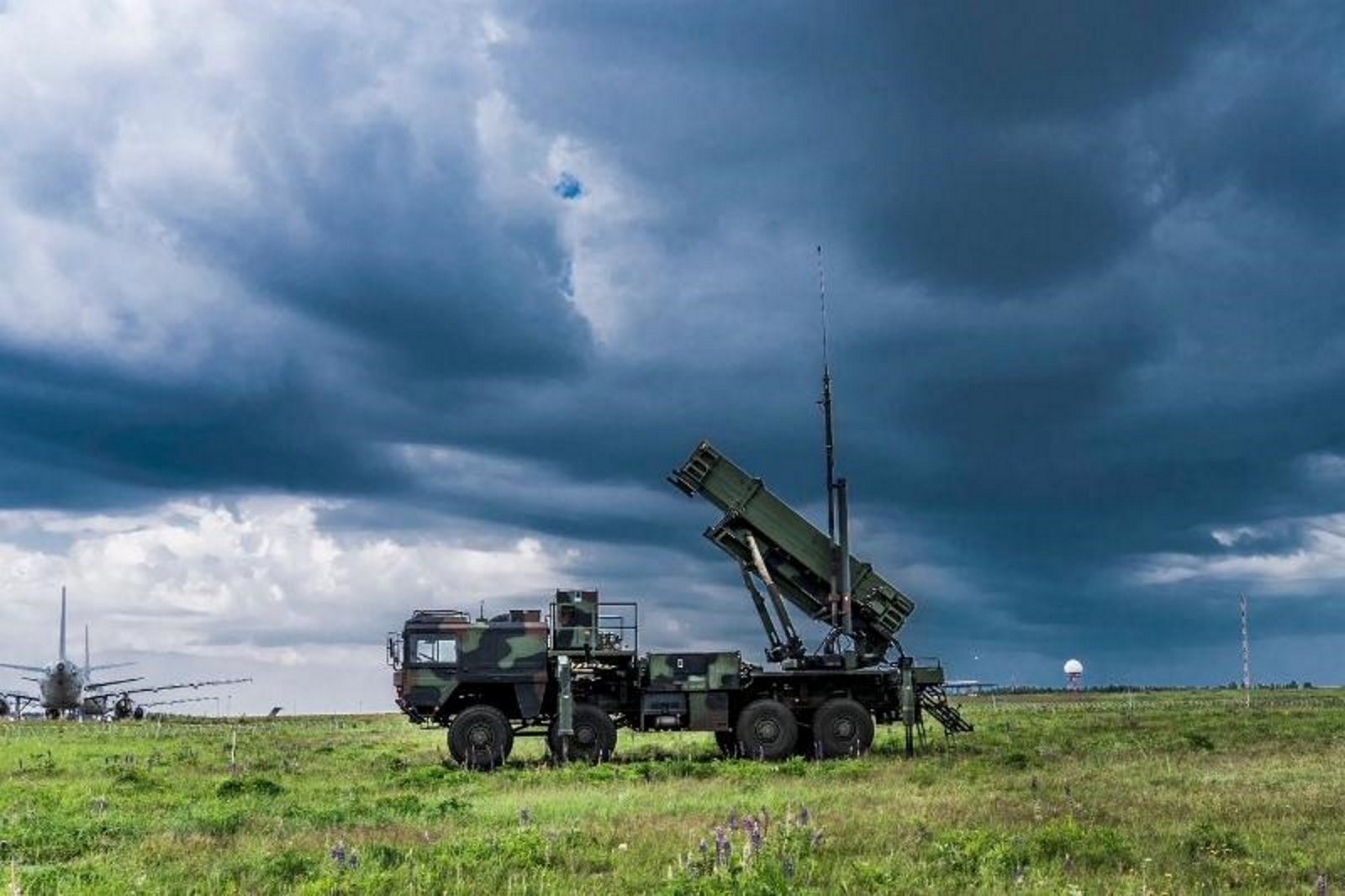
At the NATO Summit in Vilnius, Lithuania, Allies highlighted the essential role that the Alliance’s Integrated Air and Missile Defence plays in ensuring credible deterrence and defence, including its ability to reinforce and provide a strategic response to threats. They also noted the importance of Integrated Air and Missile Defence during peacetime, crisis, and conflict, and reaffirmed their commitment to missile defence, including from ballistic missiles.
In line with NATO’s efforts to meet the challenges of the evolving security environment, NATO and Allies agreed to “strengthen its Integrated Air and Missile Defence by improving Integrated Air and Missile Defence readiness, responsiveness, effectiveness, and interoperability… [and] take into account the increasingly diverse and challenging air and missile threats ranging from simple Uncrewed Aerial Vehicles (UAVs) to sophisticated hypersonic missiles. They also reiterated their commitment to “the full development of NATO Ballistic Missile Defence, to pursue the Alliance’s collective defence and to provide full coverage and protection for all NATO European populations, territory, and forces against the increasing threat posed by the proliferation of ballistic missiles.”
To develop and deliver the capabilities required to meet the Alliance’s Level of Ambition, Allied Command Transformation is working through its Air Command and Control Integrated Air and Missile Defence Branch develop the capabilities required to fulfil NATO’s Air Policing and Ballistic Missile Defence missions. Working as part of the Command’s European Staff Element at Supreme Headquarters Allied Powers Europe, the Branch works in close coordination with warfighters and NATO stakeholders to manage the Air Command and Control System, Air Command and Control Information System, and Ballistic Missile Defence capability programmes. Through the successful development of these capabilities, the Branch is enhancing NATO’s ability to complete both mission sets. As noted by Armament Colonel Matthieu Eloy, Head of the Air Command and Control Integrated Air and Missile Defence Branch:
“The strength of NATO lies not only in the firepower of its member states, but in the seamless, constant and robust Command and Control that underpin its operations. Without it, the commander is unable to have clear situational awareness, placing the decision-making process at risk. Being of such vital importance, it is no surprise to see Command and Control as a major part of Allied Command Transformation’s Warfare Development Agenda to transform the Military Instrument of Power.”
As one of the Alliance’s permanent peacetime missions conducted under the framework of Integrated Air and Missile Defence, the enhancement of NATO’s Air Policing due to Russia’s invasion of Ukraine has played an important role in the Alliance’s deterrence and reassurance. To continue maintaining a high degree of readiness, resiliency, and effectiveness to meet this mission, the Branch has been engaging with stakeholders from across the Alliance to refine the delivery of existing capabilities using an agile, developmental operations approach. It has also delivered its NATO Air Command and Control vision, outlining the desired future Command and Control system. This capability will modernize NATO’s current Air Command and Control to address the challenges of future Air Operations and enable Multi-Domain Operations through an incremental approach that embraces Digital Transformation.