Last month, the annual TIDE (Think-Tank for Information DEcision Superiority) Hackathon, organized by NATO Allied Command Transformation, challenged participants to develop rapid solutions to Command and Control challenges. This was accomplished within the framework of federated interoperability, which is the ability of different military forces to work together seamlessly.
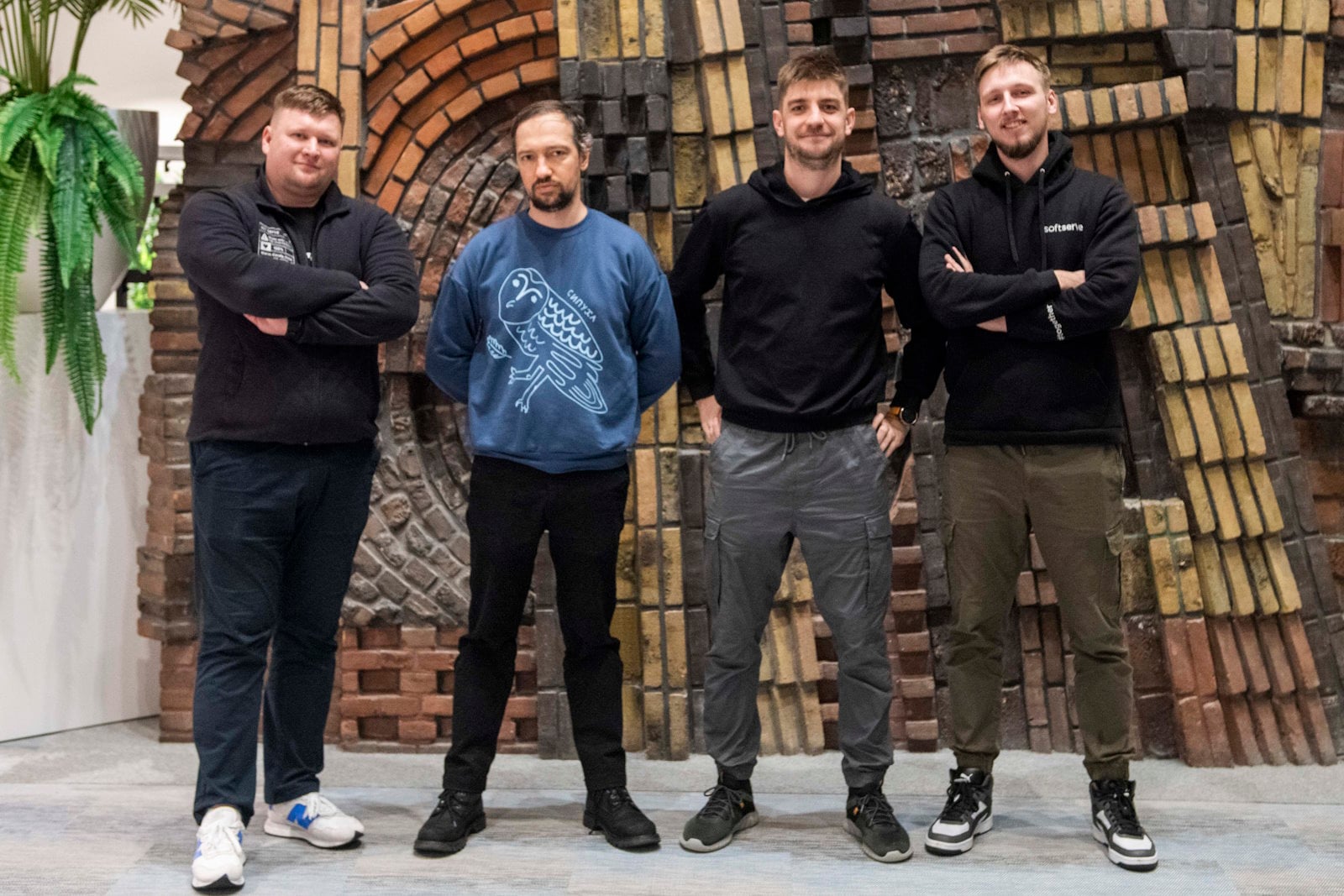
Out of 32 teams participating in the 2024 TIDE Hackathon, the Valkyrie 2 Team from Ukraine emerged victorious in the Wargaming Large Language Model challenge. Their innovative solution leverages the power of Large Language Models to create a more dynamic and realistic wargaming experience.
Traditional wargaming can be time-consuming and resource-intensive, often struggling to keep pace with the complexities of modern warfare. However, Large Language Models, with their ability to process vast amounts of data, can generate more intricate scenarios and provide real-time feedback to participants.
The Valkyrie 2 team’s simulator, as described by Dmytro, one of the winning team members, works by utilizing Large Language Models to design wargame scenarios and simulate Multi-Domain Operations with a high degree of variety. The models analyse the decisions of the “blue team” (representing the allied forces) and generate responses for the “red team” (the adversary), showcasing their understanding of military tactics and strategies. This allows users to explore a wider range of outcomes based on their strategic choices.
Another key feature is the “human-in-the-loop” functionality. This empowers human experts to interact with and refine the outcomes generated by the Large Language Models, infusing the simulation with human judgment and strategic thinking which is critical.
“We hope that our solution will be useful for NATO as an easy-to-use and convenient tool to conduct wargaming initiatives,” said Severyn, another member of the winning team. “Integration of Large Language Models can bring new insights and speed up the game setup and execution.”
The team’s inspiration stemmed from a combination of factors, including Oleksandr’s experience in programming, and passion for board games, and Dmytro’s background in data science. They believe their solution has the potential to be a valuable tool for NATO, but also acknowledge the need for further development.
The TIDE Hackathon also proved to be a valuable personal and professional experience for the Valkyrie 2 team.
“The war in Ukraine has profoundly influenced our work and perspective on technology and innovation,” said Dmytro. “It has highlighted the critical role of IT, cybersecurity, and unmanned systems in modern wars. Winning the war and showcasing Ukrainian strength requires innovation and highlights our synergy with the World, as opposed to Russia and terrorism.”
The team is motivated by the ongoing war in Ukraine and the potential of their work to contribute to the country’s defence.
“We live in Ukraine and experience the severe outcomes of the war every day,” said Oleksandr. “We are fighting against an aggressor that significantly outnumbers our forces, and this is our biggest motivation to develop technologies and innovations that can help us win the war.”
The Valkyrie 2 team’s message to others facing similar challenges is one of resilience: “Stay strong,” said Oleksandr. “Keep calm, filter incoming information, and continue doing your job well,” added Severyn.
The TIDE Hackathon and the Valkyrie 2 Team’s win represent a step forward in the world of wargaming. By leveraging the power of Large Language Models, this innovative simulator has the potential to revolutionize the way military organizations train and develop strategies, ultimately leading to more effective operations and a safer world.