Allied Command Transformation’s (ACT) Task Force X-Arctic Beacon Project is reinforcing collective deterrence and defence in the North Atlantic, Arctic and High North regions. In support of enhanced Vigilance Activity Arctic Sentry, Task Force X-Arctic will demonstrate, for the first time, an integrated and data-centric Multi-Domain Situational Awareness capability in the North Atlantic, Arctic and High North, based on networked uncrewed systems that are able to operate in the hostile and adverse arctic conditions. These systems will be capable of real-time optimization and re-tasking of platforms. Iceland hosted the initial Task Force X-Arctic trials in June and July 2026.
The NATO Centre for Maritime Research and Experimentation (CMRE) is the technical lead for Task Force X-Arctic and is responsible for the mission’s delivery in close cooperation with ACT. In 2026, ACT is increasing its investment into the CMRE by 18% to build Task Force X-Arctic-specific partnerships. Operationally, Allied Maritime Command is overseeing the integration of assets and technologies into Allied maritime activities. Task Force X-Arctic sits under NATO’s Rapid Adoption Action Plan, approved at the 2025 NATO Summit in The Hague, as part of the Task Force X framework, which aims to accelerate innovation adoption and integration into military operations.
The Arctic is a gateway to the North Atlantic, hosting vital trade, transport and communication links between North America and Europe. At the same time, adversaries have become increasingly active in the High North, underscoring NATO’s need for persistent monitoring and vigilance. Task Force X-Arctic aims to deliver cutting edge experimentation, consistent with ACT’s Task Force X-Baltic, SINBAD and Layered Counter-UAS Initiative, as well as ACT’s capability programme plans. Task Force X-Arctic is testing:
- Autonomous Uncrewed Systems: NATO’s experimental integration of maritime uncrewed systems (MUS) aims to increase Allies’ sensing advantage by expanding the Alliance’s coverage of the North Atlantic, Arctic and High North. These MUS have the potential to augment existing legacy assets, enabling persistent maritime surveillance while freeing up more expensive resources to respond to incidents as needed.
- Networked Assets: Connecting crewed and uncrewed assets under one cohesive network can provide NATO with information advantage and send a clear strategic deterrence signal. These experiments will be an example of how to achieve the right force mix of legacy and experimental systems.
- Space-Based Sensing: NATO Space Support to Arctic Sentry provides trusted, persistent space-derived products and services to support Arctic Sentry and Joint Force Command Norfolk. Due to the Arctic’s extreme weather, limited infrastructure and extended periods of darkness, the space domain provides critical continuous, all-weather awareness across this environment. Through commercial and national services, NATO is maintaining visibility, anticipating risks and avoiding strategic surprise in the Arctic and High North.
- Command-and-Control: Task Force X-Arctic will conduct comprehensive command-and-control experimentation that tests cloud-based infrastructure and evaluates Allied interoperability. This experimentation will aim to deliver persistent awareness across domains and increasing Allied readiness in the High North.
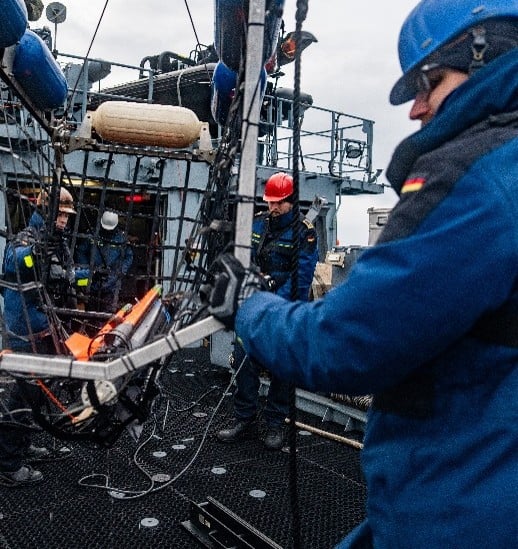
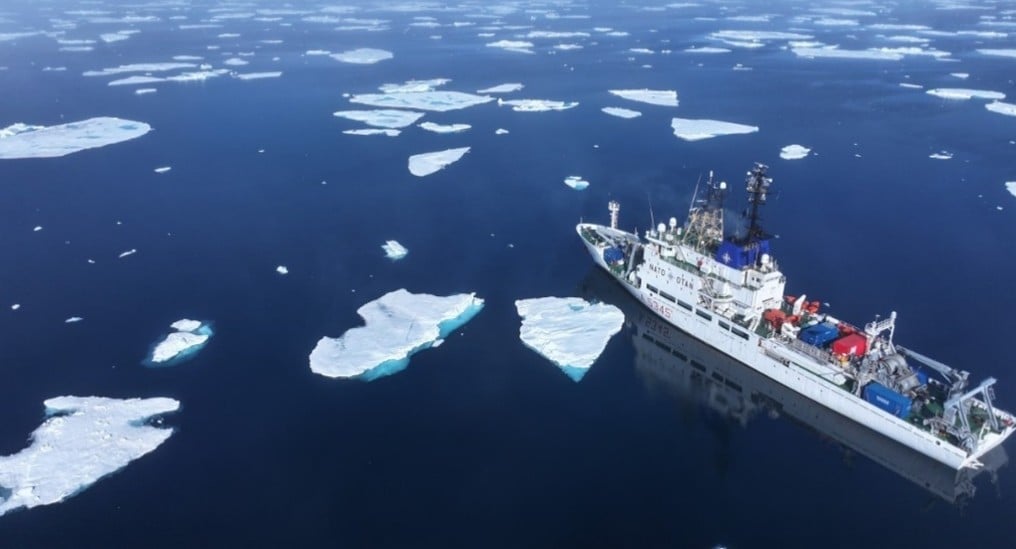
Timeline: CMRE conducted the first Task Force X-Arctic testing in the waters around Iceland aboard the NATO Research Vessel Alliance in June and July 2026. This experimentation focused on integrating various maritime sensors to detect surface and subsurface targets. The NATO Defence Innovation Accelerator for the North Atlantic (DIANA) sourced capabilities from innovative industry partners. Additional operational experimentation will take place at Robotic Experimentation and Prototyping using Maritime Unmanned Systems (REPMUS) in Portugal in September 2026; this experimentation will validate integration and connectivity in an operational environment. Further small-scale experimentation will take place in spring of 2027 before full-scale demonstrations that are expected to take place in summer 2027. Allies will be engaged throughout to test and integrate their capabilities with NATO’s solutions.
Building On Existing Experimentation: ACT and CMRE’s combined operational experimentation experience will be leveraged to deliver Task Force X-Arctic. Previously through ACT sponsorship, CMRE has tested and deployed autonomous systems in the Arctic for more than a decade. ACT’s Smart Indicators and Warning Broad Area Detection and Maritime Domain Awareness program (SINBAD) delivers AI-assisted insights based on commercial space-based surveillance. In addition, this builds on work by ACT’s Task Force X-Baltic, which deployed and employed a fleet of more than 70 air, surface and undersea uncrewed systems in the Baltic Sea for three weeks in 2025. These will all be leveraged to enable the Alliance to deliver persistent Maritime Situational Awareness throughout the North Atlantic and Arctic regions.
Click here to download the Task Force X – Arctic printer-friendly version.
Arctic Sentry is a multi-domain military activity that further strengthens NATO’s posture in the Arctic and High North as NATO’s presence in the region grows. This enhanced Vigilance Activity (eVA) provides NATO planners with full visibility of NATO and Allied national activities across the region, allowing NATO to consolidate these actions into one coherent, overarching operational approach. Launched in February 2026, Arctic Sentry reflects Allies’ collective understanding that NATO must do more as an Alliance to ensure security in the Arctic and the High North and further strengthen its ability to operate successfully in Arctic conditions.